Swamy flags Bank of Baroda Rs 5,700 Cr NMC settlement
Synopsis
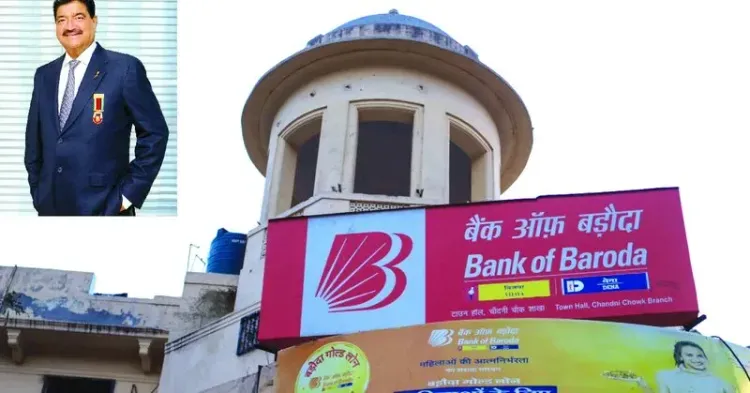
Veteran politician Dr. Subramanian Swamy has flagged a reported Rs 5,700 crore one-time settlement between Bank of Baroda and collapsed hospital group NMC Health, spotlighting governance and RBI compliance concerns around the deal.
Key Takeaways
Subramanian Swamy shared a report on 19 August 2026 questioning the governance of Bank of Baroda 's Rs 5,700 crore settlement with NMC Health .
NMC Health collapsed in 2020 amid fraud allegations, leaving several Indian public sector banks with large unrecovered exposures.
Bank of Baroda was formed via a 2019 merger with Dena Bank and Vijaya Bank , designed to strengthen PSU banking balance sheets.
RBI 's 2019 stressed-asset resolution framework mandates transparent, documented processes for one-time settlements of this kind.
Swamy's post signals potential follow-up through parliamentary questions or a formal RBI clarification on the settlement terms.
A Rs 5,700 crore loan settlement between Bank of Baroda and NMC Health is drawing sharp scrutiny — and veteran politician Dr. Subramanian Swamy made sure it landed in the public eye on Wednesday, 19 August 2026, sharing a report that puts the deal's governance credentials under a hard lens.
The settlement that is raising eyebrows
Bank of Baroda, one of India's largest public sector lenders, has reportedly reached a one-time settlement with NMC Health — the Abu Dhabi-headquartered hospital group that collapsed spectacularly in 2020 amid allegations of massive fraud — for a sum of Rs 5,700 crore. One-time settlements of this scale at state-owned banks have historically invited questions about whether the recovery adequately reflects the original exposure, and whether the terms comply with RBI's framework for resolution of stressed assets, introduced in 2019.
Bank of Baroda itself was restructured that same year through a three-way merger with Dena Bank and Vijaya Bank, a consolidation that was meant to shore up the balance sheet of India's public sector banking system. A settlement of this magnitude with a distressed overseas borrower will test how robustly that framework has held.
Why NMC Health's collapse still matters to Indian banks
NMC Health's implosion in early 2020 exposed billions of dollars in hidden debt and left a clutch of Indian public sector banks — Bank of Baroda among them — nursing significant exposure. The case became a benchmark for how Indian lenders manage risk in overseas corporate borrowers, and regulators have since tightened norms around such lending. A settlement now, six years on, reopens that chapter and forces a reckoning: how much of the original loan has actually been recovered, and on what terms?
PSU bank shareholders and corporate borrowers alike are watching closely. If the haircut taken by the bank is steep, it raises accountability questions for the bank's board and, by extension, for the government as the majority shareholder. RBI guidelines require that one-time settlements follow a transparent, documented process — any deviation would be a regulatory red flag.
Swamy's signal to Parliament and regulators
Dr. Swamy's decision to amplify the report is characteristically pointed. A long-time critic of opacity in public sector finance, he has previously raised banking governance issues on the floor of Parliament and in public discourse. By flagging this settlement, he is, in effect, sending a signal to both RBI and Parliament that the terms of the deal deserve formal scrutiny — a parliamentary question, an RBI clarification, or both.
Whether that scrutiny materialises will depend on how quickly the opposition and financial regulators pick up the thread. The numbers are large enough that silence would itself be a statement.
Point of View
And the RBI's insistence on transparent, rule-bound recoveries. A Rs 5,700 crore one-time settlement with a fraud-tainted overseas borrower is precisely the kind of transaction that tests whether post-2019 banking reforms have genuinely changed governance culture, or merely consolidated the same risks into larger institutions. Expect this to surface in Parliament's next session if the settlement terms remain opaque.
NationPress
19 Aug 2026
Frequently Asked Questions
What is the Bank of Baroda NMC Health settlement about?
Bank of Baroda reportedly reached a one-time settlement of Rs 5,700 crore with NMC Health, the Abu Dhabi-based hospital group that collapsed in 2020 amid fraud allegations, to resolve the bank's stressed loan exposure to the company.
Why did NMC Health collapse?
NMC Health collapsed in early 2020 after auditors uncovered billions of dollars in hidden debt and alleged financial fraud, triggering insolvency proceedings and leaving multiple Indian and international lenders with large unrecovered loans.
What are the governance concerns with this settlement?
Critics question whether the Rs 5,700 crore recovery adequately reflects Bank of Baroda's original exposure, and whether the settlement terms comply with RBI's 2019 framework for resolution of stressed assets, which requires transparent documentation.
What is Subramanian Swamy's role in flagging this issue?
Dr. Subramanian Swamy, a veteran politician and former Union Minister, shared a report on the settlement on 19 August 2026, drawing public and potential parliamentary attention to the deal's governance credentials.
What could happen next after Swamy's post on Bank of Baroda?
Possible follow-ups include parliamentary questions on the settlement terms, a formal RBI review of compliance with stressed-asset resolution norms, or a response from Bank of Baroda's management clarifying the recovery details.