Taliban accuses Pakistan of backing anti-Taliban groups amid border clashes
Synopsis
Afghanistan's Taliban administration is openly accusing Pakistan of arming and directing resistance fighters along the Durand Line — a charge Islamabad flatly denies. With the TTP shadow, an ECO summit exclusion, and Taliban outreach to India all in the mix, the Afghanistan-Pakistan relationship has shifted from strained to openly adversarial, with real consequences for South Asia's security architecture.
Key Takeaways
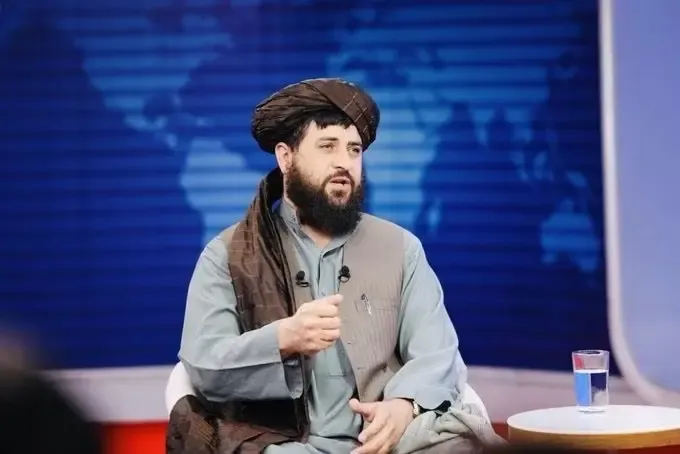
Taliban Foreign Minister Amir Khan Muttaqi accused Pakistan of running a 'project to destabilise Afghanistan' via armed groups along the Durand Line .
Taliban spokesperson Zabihullah Mujahid alleged Pakistani military personnel accompanied armed infiltrators into Badakhshan province.
The Afghanistan Freedom Front (AFF) and the United Front of Afghanistan have both claimed attacks on Taliban forces in multiple provinces since July 2026 .
Pakistan's Ministry of Information rejected all allegations as propaganda; anti-Taliban groups deny receiving foreign government support.
Regional analysts are divided — some call Pakistani support logistically self-evident, others suggest it is limited to political backing rather than military assistance.
Pakistan excluded Afghanistan from this week's ECO summit in Islamabad , citing non-recognition of the Taliban regime.
Afghanistan's Taliban administration has formally accused Pakistan of sponsoring armed groups opposed to its rule, alleging that Islamabad is running a deliberate project to destabilise Afghanistan by backing resistance fighters operating along the contested Durand Line. Pakistan has dismissed the charges as propaganda, even as regional analysts remain sharply divided over the depth and nature of any alleged support.
What the Taliban Has Alleged
Taliban Foreign Minister Amir Khan Muttaqi recently alleged that Pakistan was executing a 'project to destabilise Afghanistan,' according to a report published by German broadcaster Deutsche Welle (DW). Muttaqi claimed thousands of armed individuals had gathered along the Durand Line — the disputed boundary separating Afghanistan and Pakistan — with the aim of undermining Taliban authority.
Taliban spokesperson Zabihullah Mujahid went further, alleging in an interview with DW's Pashto-Dari service in September that militants involved in violence in Badakhshan province had entered Afghanistan from Pakistan's Chitral district and subsequently returned there. He also claimed that Pakistani military personnel had accompanied those armed individuals — an allegation Islamabad has not addressed directly.
Armed Groups Active Along the Border
Several anti-Taliban factions have claimed responsibility for attacks across Afghan territory. In July, the Afghanistan Freedom Front (AFF) reportedly clashed with Taliban forces in the Zebak district of northeastern Badakhshan province. The same group also claimed attacks in Nooristan and Kunar provinces in October. Separately, the United Front of Afghanistan said it had struck Taliban forces in Kandahar province, which borders Pakistan. The groups themselves have denied receiving foreign government backing, insisting their resistance is homegrown.
Experts Divided on Pakistan's Role
Analysts who spoke to DW offered starkly different readings of Islamabad's involvement. Former Afghan lawmaker Shinkai Karokhail argued it would be logistically impossible for anti-Taliban fighters to cross the Pakistani border and sustain operations inside Afghanistan without Islamabad's tacit support. 'It is simply impossible,' she said, referring to the reported clashes in Badakhshan and Nooristan.
Pakistani political analyst and former senator Afrasiab Khattak described Islamabad's alleged support as real, claiming Taliban opponents visit the Pakistani capital and hold meetings as part of Pakistan's policy toward Afghanistan. By contrast, Qandil Abbas, an associate professor of politics and international relations at Quaid-i-Azam University in Islamabad, offered a more cautious reading — suggesting Pakistan might extend political support to Taliban opponents but not outright military assistance. Ali Ahmad Jalali, a professor at the Near East South Asia Center for Strategic Studies at the National Defense University in Washington, said Pakistan could be backing such groups to retain leverage over the Taliban government.
The TTP Shadow and Competing Security Demands
Underpinning the dispute is a parallel security standoff. Pakistan has repeatedly demanded that the Taliban crack down on anti-Pakistan militant organisations, particularly the Tehreek-e-Taliban Pakistan (TTP) and the Baloch Liberation Army (BLA). Islamabad alleges both groups organise and launch attacks from Afghan territory with Taliban support or acquiescence.
Addressing the Economic Cooperation Organization (ECO) summit in Islamabad this week, Pakistani Foreign Minister Ishaq Dar said meaningful progress in bilateral relations required Afghan authorities to address the legitimate security concerns of neighbouring countries, with terrorism cited as the foremost issue. Notably, Afghanistan was not invited to the ECO gathering because Islamabad does not formally recognise the Taliban regime in Kabul.
Professor Jalali noted the structural difficulty in Pakistan's demand: the Afghan Taliban and the TTP share deep ideological and personal ties, having fought alongside each other and espoused similar political objectives. Some Afghan Taliban members may themselves be among TTP fighters, he argued, making a clean break between the two organisations highly unlikely.
India Factor Adds Another Layer of Tension
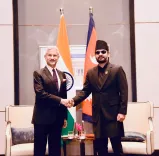
Analysts have also flagged the Taliban's cautious outreach to India — Pakistan's principal regional rival — as a fresh source of friction. Afghan international relations researcher Malek Sitez told DW that Pakistan was uncomfortable with Kabul's growing engagement with New Delhi, though he noted that Islamabad no longer wielded the influence over Afghanistan it once did. The mutual accusations, cross-border skirmishes, and shifting regional alignments collectively underscore a relationship that has moved from uneasy partnership to open antagonism, with no near-term resolution in sight.
Point of View
The Taliban is pursuing its own sovereignty — including cautious engagement with India. Pakistan's alleged backing of anti-Taliban fighters, if substantiated, would mark a dramatic reversal, but the more important story is structural: Islamabad cannot simultaneously demand the Taliban suppress the TTP while the two organisations share fighters, ideology, and commanders. That contradiction sits at the heart of every Pakistani demand and makes a durable Afghanistan-Pakistan security arrangement almost arithmetically impossible for now.
NationPress
22 Nov 2026
Frequently Asked Questions
What has the Taliban accused Pakistan of doing?
The Taliban has accused Pakistan of sponsoring armed groups opposed to its rule and of attempting to destabilise Afghanistan by backing resistance fighters along the Durand Line. Taliban Foreign Minister Amir Khan Muttaqi specifically alleged Pakistan was running a 'project to destabilise Afghanistan,' while spokesperson Zabihullah Mujahid claimed Pakistani military personnel accompanied armed infiltrators into Badakhshan province.
How has Pakistan responded to the Taliban's allegations?
Pakistan's Ministry of Information rejected the allegations outright, describing them as propaganda. Islamabad has not addressed the specific claim that Pakistani military personnel accompanied armed infiltrators into Afghan territory.
Which armed groups are operating against the Taliban?
Two groups have been most prominent: the Afghanistan Freedom Front (AFF), which reportedly clashed with Taliban forces in Badakhshan province in July and claimed attacks in Nooristan and Kunar in October; and the United Front of Afghanistan, which claimed an attack on Taliban forces in Kandahar province near the Pakistani border. Both groups deny receiving support from foreign governments.
Why is the TTP relevant to the Afghanistan-Pakistan dispute?
Pakistan has repeatedly demanded the Taliban crack down on the Tehreek-e-Taliban Pakistan (TTP), which Islamabad alleges launches attacks against Pakistani civilians and security forces from Afghan soil. Analysts note this demand is complicated by the fact that the Afghan Taliban and the TTP share ideological roots and personal ties, with some Afghan Taliban members reportedly also serving among TTP fighters.
What role does India play in Afghanistan-Pakistan tensions?
The Taliban's cautious diplomatic outreach to India — Pakistan's principal regional rival — has added another layer of tension to the relationship. Afghan researcher Malek Sitez told DW that Pakistan is uncomfortable with Kabul's growing engagement with New Delhi, though Islamabad's leverage over Afghanistan is widely seen as significantly diminished compared to previous decades.