Pakistan arming Afghan factions against Taliban, risks new blowback: Report
Synopsis
Pakistan appears to be deploying its own decades-old proxy playbook against the Afghan Taliban — arming new Afghan factions to fight the TTP. Former US envoy Zalmay Khalilzad has warned the relationship will get 'much worse', and analysts say Islamabad risks breeding tomorrow's adversaries while trying to contain yesterday's proxies.
Key Takeaways
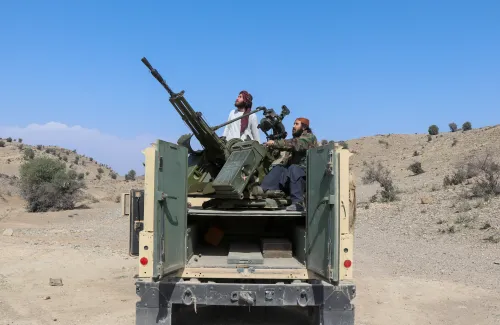
Pakistan's military is reportedly recruiting and arming Afghan factions to combat Tehrik-e-Taliban Pakistan (TTP) militants sheltered by the Afghan Taliban .
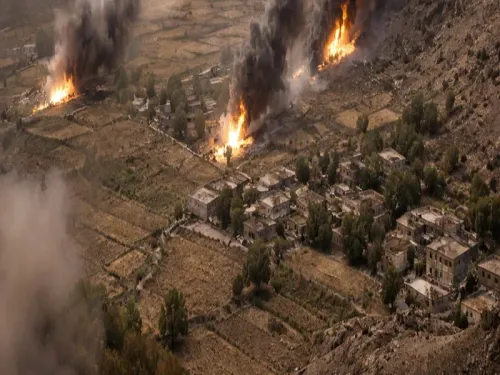
Former US special envoy Zalmay Khalilzad warned that Pakistan-Afghanistan relations are 'likely to get much worse.' Pakistan's Ministry of Information has dismissed the allegations as 'baseless and misleading.' Pakistani forces and Afghan Taliban fighters exchanged heavy artillery fire in Kurram district, Khyber Pakhtunkhwa .
Analysts warn the move risks creating 'uncontrollable local militias' and repeating a pattern of proxy blowback that has plagued Pakistan for decades.
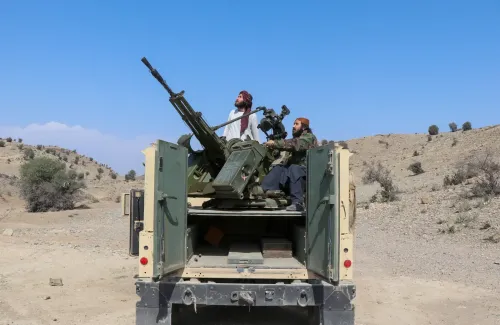
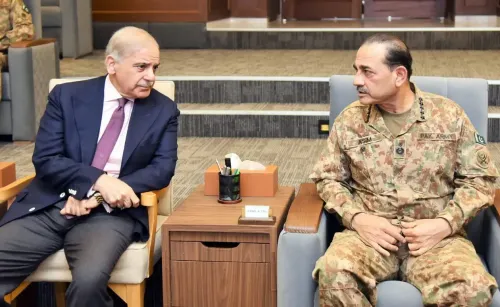
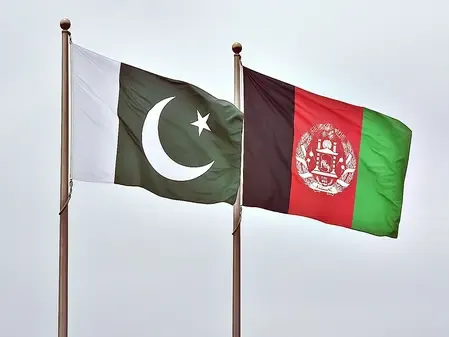
Pakistan's military establishment is reportedly turning its decades-old proxy strategy against its former allies, the Afghan Taliban, by recruiting and arming Afghan factions to combat militants hostile to Islamabad, according to a report by South Asia Press. The development marks a sharp reversal in a relationship that once underpinned Pakistan's regional security doctrine.
Khalilzad Raises the Alarm
Former US special envoy to Afghanistan Zalmay Khalilzad flagged the emerging reports, pointing to indications that the Pakistani military had begun arming Afghan groups to take on insurgents that threaten Islamabad. Khalilzad warned that 'as things currently stand, relations between Afghanistan and Pakistan are likely to get much worse.' Pakistan's Ministry of Information has rejected the allegations as 'baseless and misleading.'
A Decades-Old Playbook, Turned Inward
For nearly four decades, Islamabad treated the Afghan Taliban as a strategic asset — a tool to limit India's influence in Kabul and secure a sympathetic regime on its western flank. That calculus has since unravelled into a low-intensity border conflict, with Pakistan accusing the Taliban in Kabul of sheltering the Tehrik-e-Taliban Pakistan (TTP), the insurgent group waging a sustained campaign inside Pakistan. 'Frustrated by Kabul's refusal to rein in its ideological brethren, Islamabad appears to be reverting to its historical playbook: fighting fire with fire, or more accurately, proxies with proxies,' the report stated.
The Risk of a New Pandora's Box
Analysts warn the move carries severe blowback potential. Pakistan's history with militant proxies is one of repeated unintended consequences — groups armed to project influence abroad have, on multiple occasions, redirected violence toward Pakistan itself. 'By allegedly arming new Afghan factions to suppress the TTP, Islamabad risks opening a Pandora's box of uncontrollable local militias, further destabilising an already volatile border region,' the report cautioned.
Kurram District Flashpoint
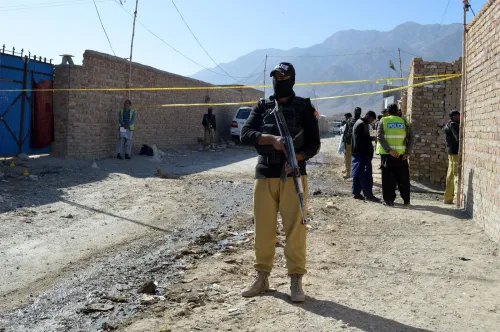
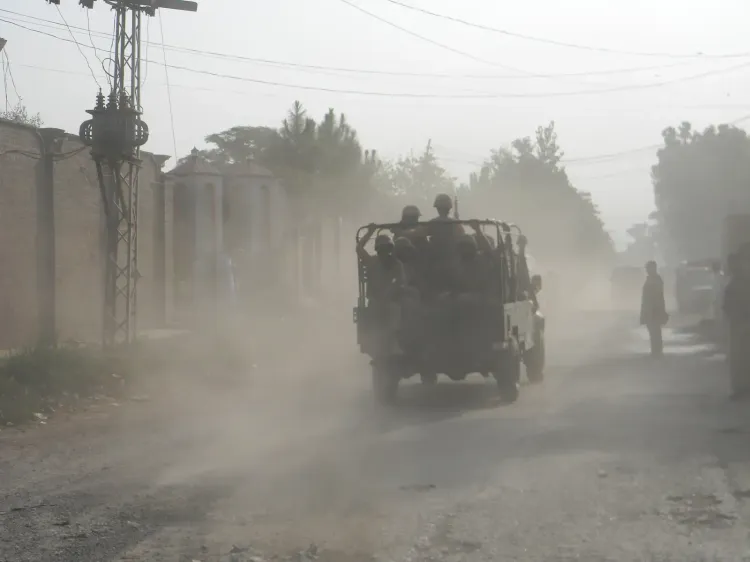
The report cited a recent exchange of heavy artillery fire between Pakistani forces and Afghan Taliban fighters in the Kurram district of Khyber Pakhtunkhwa, where Pakistani officials claimed to have destroyed Taliban border posts. The incident illustrates how sharply the once-close relationship has deteriorated. Notably, Kurram has historically been a flashpoint for cross-border tensions, making it a particularly sensitive theatre for any escalation.
What Analysts Say
'The very proxies that Islamabad nurtured to guarantee its western flank have become its primary security threat,' the report observed. 'If the reports of Pakistan arming new Afghan proxies are validated, it signals a desperate gamble by a nuclear-armed state running out of options.' The report added that 'in trying to contain the monsters of its past, Pakistan may simply be breeding the adversaries of its future.' Analysts see the alleged manoeuvre as a reflection of a long-standing institutional instinct within Pakistan's security establishment — one that has repeatedly generated strategic blowback.
Point of View
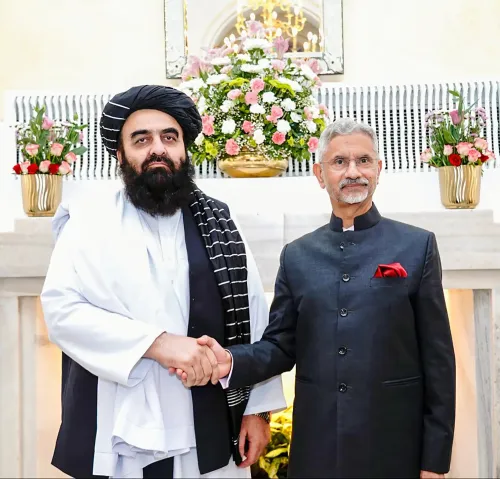
So when the Taliban became a threat rather than an asset, the institutional response was to reach for the same toolkit. The deeper problem is that this approach has a documented failure rate: the TTP itself is partly a product of that same logic. What is striking in the Khalilzad warning is the geopolitical subtext — a nuclear state with a collapsing relationship with both its eastern and western neighbours, resorting to a gambit its own history should counsel against. Indian policymakers will be watching closely: a destabilised Pakistan-Afghanistan border is both a threat vector and a constraint on Islamabad's ability to project pressure eastward.
NationPress
25 Oct 2026
Frequently Asked Questions
What is Pakistan allegedly doing with Afghan factions?
Pakistan's military is reportedly recruiting and arming Afghan factions to combat TTP militants that Islamabad accuses the Afghan Taliban of sheltering. Pakistan's Ministry of Information has denied the reports, calling them 'baseless and misleading.'
Who is Zalmay Khalilzad and why does his warning matter?
Zalmay Khalilzad is the former US special envoy to Afghanistan who played a central role in the 2020 Doha peace deal with the Taliban. His warning that Pakistan-Afghanistan relations are 'likely to get much worse' carries weight given his direct experience negotiating with both Islamabad and the Taliban.
What is the Tehrik-e-Taliban Pakistan (TTP)?
The Tehrik-e-Taliban Pakistan (TTP) is a militant insurgent group that has waged a sustained campaign of violence inside Pakistan. Islamabad accuses the Afghan Taliban government of providing shelter to TTP fighters, which has been a central source of friction between the two countries.
Why is Pakistan's proxy strategy considered risky?
Pakistan's past reliance on militant proxies has repeatedly backfired, with groups armed to fight abroad later turning against Pakistan itself. Analysts warn that arming new Afghan factions risks creating uncontrollable local militias that could further destabilise the already volatile Pakistan-Afghanistan border region.
What happened in Kurram district?
Pakistani forces and Afghan Taliban fighters recently exchanged heavy artillery fire in the Kurram district of Khyber Pakhtunkhwa. Pakistani officials claimed to have destroyed Taliban border posts during the exchange, underscoring how sharply the relationship between the two sides has deteriorated.