Tambaram Corporation's ₹111 crore stormwater drain plan to end chronic flooding
Synopsis
Tambaram's chronic flooding problem has a price tag: ₹111.08 crore across 40 drain works and 30.37 kilometres. But with a previous ₹37.59-crore project already falling short — allegedly due to poor gradients — the real question is whether better engineering and tighter supervision will finally break the cycle before the northeast monsoon hits.
Key Takeaways
Tambaram City Municipal Corporation has proposed a ₹111.08-crore stormwater drain project covering 30.37 kilometres across 40 works .
Phase 1 covers 25 works over 23.1 km at ₹95.51 crore ; Phase 2 covers 15 works over 7.27 km at ₹15.57 crore .
Flood-prone localities including Goodwill Nagar , Samathuva Periyar Nagar , Judge Colony , and parts of Chitlapakkam are among the intended beneficiaries.
A previous ₹37.59-crore drain project under the State Disaster Response Fund covered 15 km but is criticised for inadequate gradients.
Civic activists are demanding stricter construction supervision, encroachment removal, and restoration of natural waterways alongside the new infrastructure.
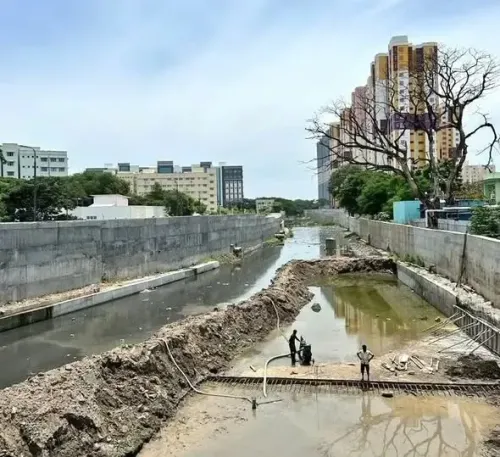
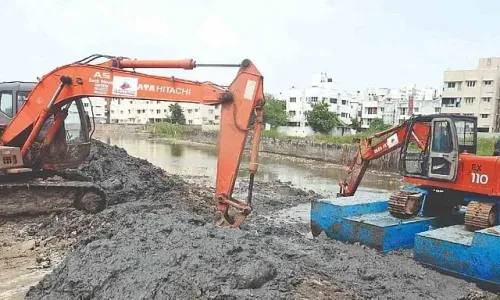
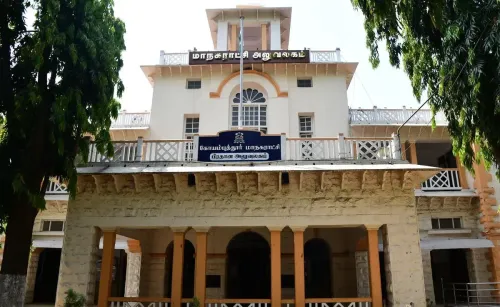
The Tambaram City Municipal Corporation in Tamil Nadu has proposed a ₹111.08-crore stormwater drain network spanning 30.37 kilometres across 40 works, aimed at permanently resolving chronic waterlogging in flood-prone neighbourhoods ahead of the northeast monsoon. The civic body has submitted the proposal to the Tamil Nadu government seeking administrative approval and financial sanction.
What the Project Covers
The proposed network is divided into two phases. The first phase covers 25 stormwater drain works across 23.1 kilometres at an estimated cost of ₹95.51 crore. The second phase includes 15 works extending over 7.27 kilometres for ₹15.57 crore.
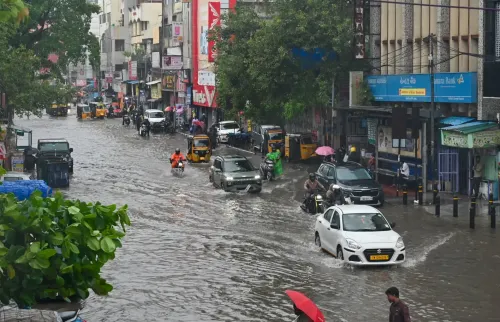
Localities set to benefit include Goodwill Nagar, Samathuva Periyar Nagar, Judge Colony, parts of Chitlapakkam, and several other vulnerable areas within the corporation limits — all of which face severe waterlogging after even moderate rainfall.
What the Corporation Said
Corporation Commissioner S. Balachander said the proposal was prepared after extensive field inspections and flood-mapping exercises conducted over multiple monsoon seasons. He noted that the proposed drains have been designed to link existing drainage systems with major outfalls, enabling faster discharge during periods of intense rainfall and improving the overall movement of rainwater through the network.
Why Earlier Works Fell Short
This is not the first attempt to address Tambaram's flooding problem. The corporation had earlier completed 15 kilometres of stormwater drains at a cost of ₹37.59 crore under the State Disaster Response Fund. However, residents and civic activists argue those works have not delivered the expected results, alleging that several drains were constructed without adequate gradients, limiting the natural flow of rainwater.
For residents of Goodwill Nagar and surrounding localities, waterlogging has become an annual ordeal — roads submerged within hours of heavy rain, traffic disrupted, property damaged, and daily life upended. Despite successive drainage projects over the years, many neighbourhoods continue to flood every monsoon season.
What Civic Activists Are Demanding
Civic activists have called for stricter supervision during construction and urged the corporation to complement new infrastructure with the restoration of natural waterways, removal of encroachments, and widening of existing channels. They argue such measures would significantly improve drainage efficiency and ensure better utilisation of public funds.
What Happens Next
Once the state government grants approval, the corporation intends to begin work on a priority basis to strengthen flood preparedness before the peak northeast monsoon arrives. The timeline for state sanction has not yet been disclosed.
Point of View
Completed under the State Disaster Response Fund, is already being called ineffective by residents and activists who cite poor gradient design. Spending three times more on the same category of infrastructure without addressing the engineering and supervision failures that undermined the last round is a risk the Tamil Nadu government should interrogate before granting sanction. The deeper issue — encroachments on natural waterways and the absence of a flood-mapping-linked maintenance protocol — is structural, not budgetary. More drains alone will not fix Tambaram if the root causes remain unaddressed.
NationPress
25 Oct 2026
Frequently Asked Questions
What is the Tambaram Corporation stormwater drain project?
It is a ₹111.08-crore proposal by the Tambaram City Municipal Corporation to build 40 stormwater drain works spanning 30.37 kilometres across flood-prone neighbourhoods. The project is pending administrative approval and financial sanction from the Tamil Nadu government.
Which areas will benefit from the new stormwater drain network?
The proposed network targets flood-prone localities including Goodwill Nagar, Samathuva Periyar Nagar, Judge Colony, and parts of Chitlapakkam within the Tambaram corporation limits. These areas face severe waterlogging after even moderate rainfall.
Why did the earlier stormwater drain project fail to solve flooding in Tambaram?
The corporation had previously completed 15 kilometres of drains at ₹37.59 crore under the State Disaster Response Fund, but residents and civic activists allege several drains were built without adequate gradients, restricting natural rainwater flow and limiting their effectiveness.
How is the new project structured?
The project is divided into two phases. Phase 1 comprises 25 works covering 23.1 kilometres at ₹95.51 crore, while Phase 2 includes 15 works over 7.27 kilometres at ₹15.57 crore. Both phases aim to link existing drainage with major outfalls for faster discharge.
What are civic activists demanding alongside the new drains?
Civic activists are calling for stricter construction supervision, restoration of natural waterways, removal of encroachments, and widening of existing channels. They argue these complementary measures are essential to ensure the new infrastructure delivers meaningful flood relief.