Tamil Nadu to add 22,500 milch cows to boost Aavin milk procurement in 2026-27
Synopsis
Aavin's daily milk procurement has dropped nearly 10 per cent in a year — from 35 lakh litres to 31.5 lakh litres — as farmers drift to private dairies. Tamil Nadu's plan to flood the cooperative network with 22,500 new milch cows, backed by subsidies and concessional credit, is the government's most direct attempt yet to reverse that slide. The real test is whether it can fix the loan and approval bottlenecks that derailed the same programme in 2025-26.
Key Takeaways
Tamil Nadu plans to add 22,500 milch cows to the Aavin cooperative network in 2026-27 .
10,000 cows will be distributed free to rural beneficiaries; another 12,500 facilitated through medium and mini dairy schemes.
Aavin's daily procurement has fallen to 31.5 lakh litres from 35 lakh litres a year ago, reportedly due to farmers shifting to private dairies.
Medium dairy beneficiaries will receive a 25 per cent capital subsidy; mini dairy beneficiaries get a 4 per cent interest subsidy.
Subsidised cattle feed will be supplied at ₹2 per kg — up to 3 kg per animal per day for 300 days — for below-poverty-line producers.
In 2025-26 , implementation fell short: only 1,625 of the targeted farmers purchased cows, citing loan and approval delays.
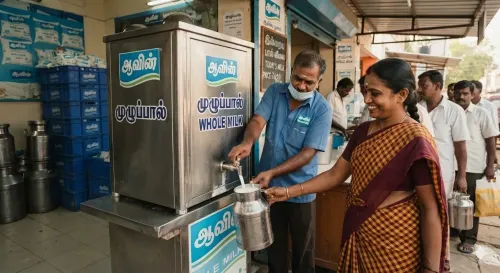
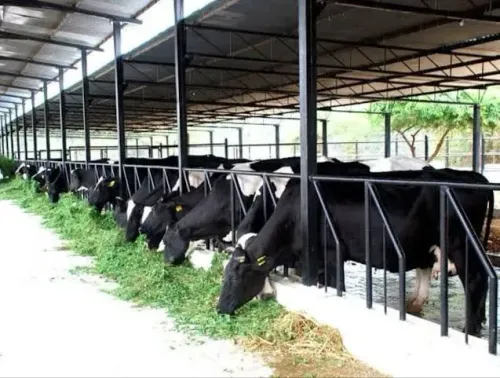
The Tamil Nadu government, led by Chief Minister C. Joseph Vijay, has announced plans to induct 22,500 additional milch cows into the state's cooperative dairy network during 2026-27, in a bid to reverse a sharp decline in daily milk procurement by Aavin, the state's cooperative dairy federation. The initiative is expected to add at least 1.5 lakh litres of milk per day to Aavin's procurement volumes over the coming years.
Scale and Structure of the Programme
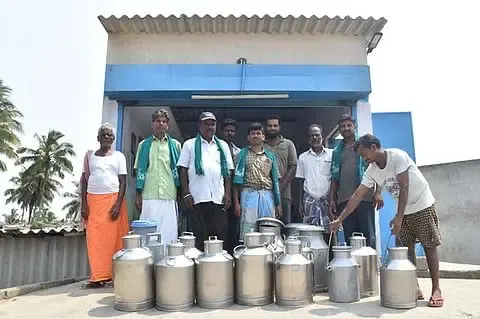
The expansion is built on two tracks. The first involves the free distribution of 10,000 milch cows to rural beneficiaries. The second facilitates the purchase of another 12,500 cows through medium and mini dairy schemes.
Of the 12,500 cows under the dairy schemes, 2,500 will be allocated to 500 new medium-scale dairy units — five cows per unit. The remaining 10,000 cows will be procured under the mini dairy programme, covering 5,000 units of two cows each.
Financial Assistance for Dairy Farmers
Under the medium dairy scheme, beneficiaries will first purchase three cows and maintain them for six months before becoming eligible for financial support to acquire two more. The government has proposed a 25 per cent capital subsidy on project cost, with concessional institutional credit for the balance. Loans will be facilitated through the Dairy Development Department and the Tamil Nadu Backward Classes Economic Development Corporation.
Under the mini dairy scheme, beneficiaries purchasing two cows will receive a 4 per cent interest subsidy. Additionally, subsidised cattle feed will be supplied to eligible milk producers living below the poverty line at ₹2 per kg, with each animal eligible for 3 kg per day for 300 days.
Why Aavin Needs the Boost
Aavin's average daily milk procurement has slipped to around 31.5 lakh litres, down from approximately 35 lakh litres a year ago — a decline of roughly 10 per cent. A section of dairy farmers has reportedly shifted to private dairies offering better procurement prices. The cooperative has also been grappling with a fall in the average fat and solids-not-fat content of milk procured, compounding revenue pressure.
Beneficiaries under the new scheme will be linked to village-level primary milk producers' cooperative societies, enabling them to supply directly to Aavin while accessing cattle feed subsidies and other support — a design intended to stem the migration to private players.
Past Performance and Implementation Gaps
The programme builds on an existing framework that showed mixed results in 2025-26: only 1,625 farmers were able to purchase 3,363 cows against the stated target, with delays in loan disbursal, approvals, and price fixation cited as key bottlenecks.
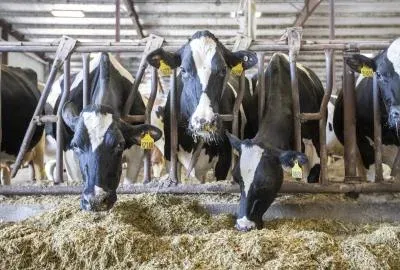
The government is expected to shortly issue guidelines for procuring approved breeds, including Jersey crossbred and Holstein Friesian cattle, which are known for higher milk yields and better fat content.
What Comes Next
With procurement guidelines and breed approvals pending, the pace of implementation in 2026-27 will be closely watched — particularly given the execution shortfalls of the previous year. Whether the expanded financial incentives are sufficient to bring farmers back into the cooperative fold, or whether private dairies continue to attract supply, will determine how quickly Aavin recovers its procurement volumes.
Point of View
Not a seasonal blip. A 10 per cent drop in a year, driven by farmers voting with their feet toward private dairies, signals a price-competitiveness problem that cow numbers alone cannot fix. The 2025-26 shortfall — where loan delays and approval bottlenecks stalled the same programme — has not been formally addressed in the new announcement. Unless the government resolves the institutional plumbing, adding 22,500 cows to the target list risks repeating the same underdelivery. The deeper question is whether Aavin's procurement pricing can be made competitive enough to retain farmers even after the subsidy window closes.
NationPress
8 Aug 2026
Frequently Asked Questions
What is Tamil Nadu's 22,500 milch cow dairy scheme?
It is a state government initiative for 2026-27 that plans to induct 22,500 additional milch cows into the Aavin cooperative dairy network — 10,000 through free distribution and 12,500 via medium and mini dairy schemes — to boost daily milk procurement by at least 1.5 lakh litres.
Why has Aavin's milk procurement declined?
Aavin's average daily procurement has dropped to around 31.5 lakh litres from approximately 35 lakh litres a year ago. A section of dairy farmers has reportedly shifted to private dairies that offer better procurement prices, and there has also been a decline in the fat and solids-not-fat content of milk procured.
What financial support will dairy farmers receive under the scheme?
Under the medium dairy scheme, beneficiaries will get a 25 per cent capital subsidy with concessional credit for the balance. Mini dairy beneficiaries receive a 4 per cent interest subsidy. Below-poverty-line producers will also receive subsidised cattle feed at ₹2 per kg for up to 3 kg per animal per day for 300 days.
Which cattle breeds will be covered under the new dairy programme?
The government is expected to shortly issue guidelines for procuring approved breeds, including Jersey crossbred and Holstein Friesian cattle, both known for higher milk yields and improved fat content.
Did the previous dairy scheme meet its targets?
No. During 2025-26, only 1,625 farmers purchased 3,363 cows against the stated target, with delays in loan disbursal, approvals, and price fixation cited as the main reasons for the shortfall.