Tamil Nadu seeks 3,000 MW emergency power as October demand nears 20,000 MW
Synopsis
Tamil Nadu is burning through nearly 20,000 MW a day in October — a level normally seen only at summer's peak — because El Niño conditions have kept the heat going, wind has dropped off, and central pool allocations have fallen 3,000 MW short. The state's power utility is now running multiple simultaneous emergency tenders just to keep the lights on after dark.
Key Takeaways
TNPDCL has floated an urgent tender for up to 3,000 MW during evening peak hours ( 6 pm–midnight ) and 1,500 MW between midnight and 2 am .
Procurement covers 12–31 October 2026 via the Union government's DEEP portal .
Tamil Nadu consumed 432.6 million units on Tuesday with peak demand of 19,921 MW — near last year's all-time daily record.
Peak-hour demand is up 3,000 MW year-on-year; an expected 3,000 MW from the central pool was unavailable, according to Energy Resources Minister R.
The state has already procured 4,500 MW from the open market; further purchases depend on whether the northeast monsoon arrives around 20 October .
A weak monsoon could force additional emergency purchases through November .
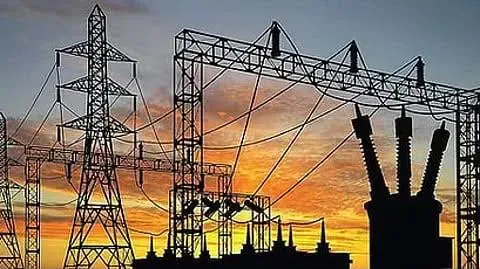
The Tamil Nadu Power Distribution Corporation Ltd (TNPDCL) has floated an urgent tender to procure up to 3,000 MW of additional electricity during evening peak hours, as state power demand hovers close to 20,000 MW in October 2026 — an unusually high figure driven by prolonged hot weather and sharply reduced wind generation. The shortfall has pushed the utility to tap external markets well beyond the typical summer procurement cycle.
What TNPDCL Is Procuring and When
The tender, issued through the Union government's Discovery of Efficient Electricity Price (DEEP) portal, invites bids from private generators both within and outside Tamil Nadu. The primary procurement window covers 6 pm to midnight, with an additional tranche of up to 1,500 MW sought between midnight and 2 am to bridge overnight supply gaps. Both tranches will run from 12 October to 31 October 2026, with contract prices to be finalised upon award.
TNPDCL is already sourcing up to 3,000 MW through short-term purchase and power-swap arrangements, and is buying a comparable volume through power exchanges during peak hours — meaning the new tender represents an incremental layer on top of existing emergency procurement.
Scale of the Demand Crunch
On Tuesday, Tamil Nadu consumed 432.6 million units of electricity — approaching its highest-ever single-day figure recorded last year. Peak demand touched 19,921 MW. Breaking down the supply mix on that day: TNPDCL's own thermal stations contributed 80 million units, central generating stations supplied 83.4 million units, short-term purchases added 38.5 million units, and power exchanges contributed another 36.5 million units.
Notably, strong solar generation kept the state in surplus during daytime hours — the shortage is concentrated sharply in the evening, once solar output falls away and peak residential and commercial demand surges.
Why Demand Has Stayed High Into October
A senior TNPDCL official said the extended summer, attributed to El Niño conditions, had kept electricity requirements unusually elevated since September. Reduced wind turbine output — a key renewable source for Tamil Nadu — and lower-than-usual allocations from central generating stations compounded the shortfall, making emergency market purchases necessary.
Energy Resources Minister R. Nirmalkumar said peak-hour demand had risen by 3,000 MW compared with the same period last year. An expected 3,000 MW from the central pool was also unavailable, he said, directly prompting the short-term tenders. The state had already procured 4,500 MW from the open market and would arrange further purchases depending on how demand evolves, the minister added.
The Northeast Monsoon Factor
Relief may arrive if the northeast monsoon sets in by around 20 October. Cooler temperatures would dampen demand and allow TNPDCL to shut down select thermal units for annual maintenance ahead of next summer's peak season. However, a weak or delayed monsoon could force the utility to continue open-market purchases into November, adding to procurement costs and supply-chain pressure.
What Comes Next
The outcome of the DEEP portal tender and the trajectory of monsoon onset will together determine whether Tamil Nadu's supply stress eases before the month ends. With wind generation still depressed and central pool allocations short, the state's dependence on costly short-term markets is likely to persist through at least mid-October.
Point of View
Because there is no large-scale storage buffer to smooth the evening trough. The 3,000 MW gap from central pool allocations is equally telling; it reflects a national capacity-planning squeeze that state utilities cannot fix through short-term tenders alone. Repeated emergency open-market purchases are costly and crowd out investment signals for long-term capacity addition. Until Tamil Nadu builds firmer capacity — whether through battery storage, pumped hydro, or firm power purchase agreements — every El Niño year will produce the same scramble.
NationPress
8 Oct 2026
Frequently Asked Questions
Why is Tamil Nadu facing a power shortage in October 2026?
Tamil Nadu is facing an unusual October power crunch because El Niño conditions have kept temperatures and electricity demand abnormally high well beyond the summer peak. Reduced wind generation — a key source for the state — and a 3,000 MW shortfall in central pool allocations have together widened the supply gap, forcing emergency market purchases.
What is TNPDCL's emergency procurement plan?
The Tamil Nadu Power Distribution Corporation Ltd (TNPDCL) has floated a tender on the DEEP portal for up to 3,000 MW during evening peak hours (6 pm to midnight) and an additional 1,500 MW between midnight and 2 am. The procurement covers 12 to 31 October 2026 and is open to private generators within and outside Tamil Nadu.
How high has Tamil Nadu's electricity demand been?
On Tuesday, Tamil Nadu consumed 432.6 million units of electricity — close to its highest-ever single-day figure — with peak demand reaching 19,921 MW. Peak-hour demand is up 3,000 MW compared with the same period last year, according to Energy Resources Minister R. Nirmalkumar.
Will the northeast monsoon ease the power shortage?
Demand could ease if the northeast monsoon arrives by around 20 October, as cooler temperatures would reduce electricity consumption and allow TNPDCL to take thermal units offline for maintenance. However, a weak or delayed monsoon could force the utility to continue open-market purchases into November.
How much power has Tamil Nadu already bought from the open market?
Tamil Nadu had already procured 4,500 MW from the open market as of the minister's statement, on top of sourcing up to 3,000 MW through short-term purchases, power-swap arrangements, and power exchanges. Further purchases will be arranged depending on demand trajectory.