Tamil Nadu floats tender for 3,500 MW thermal power ahead of summer 2027 demand surge
Synopsis
Tamil Nadu isn't waiting for the summer crunch to hit — the state electricity corporation has already floated tenders for 3,500 MW of thermal power covering January to mid-June 2027. With peak demand from industries, households, and agriculture converging in those months, the advance move signals that the state has learned from past supply-side scrambles.
Key Takeaways
Tamil Nadu Electricity Distribution Corporation has floated a tender for 3,500 MW of thermal power to cover January 2027 to 15 June 2027 .
The procurement targets supply to domestic, commercial, industrial, and agricultural consumers during the peak summer period.
Electricity demand in Tamil Nadu historically surges between March and May , driven by air conditioning, cooling equipment, and industrial machinery.
Bids are invited from private thermal power producers and other eligible generators through a competitive tender process.
The move is designed to avoid emergency market purchases during peak demand and ensure grid stability for energy-intensive industries including automobiles, textiles, and electronics .
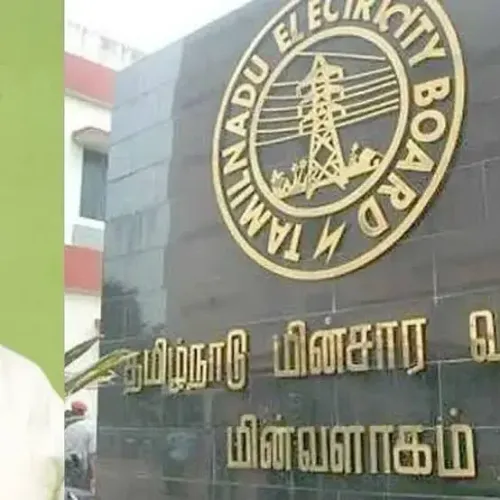
The Tamil Nadu Electricity Distribution Corporation (TNEDC) has floated a tender to procure 3,500 megawatts (MW) of thermal power to meet the state's anticipated electricity demand surge during summer 2027, in what officials describe as a proactive supply-side measure aimed at preventing shortages. The tender, issued from Chennai, covers electricity supply between January 2027 and 15 June 2027 — a window of approximately five-and-a-half months that includes the peak consumption period.
What the Tender Covers
The corporation has invited bids from eligible private power generation companies and other qualified producers to supply electricity from thermal power generation facilities. Under the proposed arrangement, qualified suppliers will submit competitive bids, following which procurement agreements are expected to be finalised within the stipulated timeframe. The electricity procured will serve domestic consumers, commercial establishments, industries, and agricultural operations across the state.
Why Tamil Nadu Is Acting Now
Tamil Nadu traditionally witnesses a sharp spike in electricity consumption between March and May, driven by widespread use of air conditioning, cooling equipment, and industrial machinery. When demand outpaces available generation capacity, distribution authorities are forced to source power from external producers — often at premium rates and on short notice. Officials believe that concluding purchase agreements well ahead of the summer season will provide greater flexibility in managing demand fluctuations and maintaining grid stability.
Industrial and Commercial Stakes
The state has a substantial industrial base encompassing automobile manufacturing, textiles, and electronics — all energy-intensive sectors that depend on reliable power availability for uninterrupted production. Any prolonged supply disruption during peak summer months could adversely affect industrial productivity, commercial activities, and household consumers alike. The advance procurement is intended to provide additional assurance to these sectors before demand peaks.
Advance Planning Over Emergency Purchases
The tender reflects a broader shift in the corporation's approach — strengthening supply arrangements through forward planning rather than depending entirely on emergency market purchases during periods of exceptional demand. Notably, the effectiveness of the initiative will ultimately hinge on competitive procurement rates, timely contract finalisation, and the availability of contracted power when it is needed most. Market observers have flagged that thermal power availability and pricing in early 2027 will be key variables.
Point of View
But it only solves half the problem. Tamil Nadu's summer power crises have historically been compounded not just by supply shortfalls but by transmission constraints and billing disputes with private generators. The real test is whether contracts are finalised early enough and at rates that do not inflate the state utility's already stretched finances. With renewable capacity additions lagging demand growth, the continued reliance on thermal procurement also signals that Tamil Nadu's energy transition timeline is under pressure — a structural concern that a single tender cannot resolve.
NationPress
9 Nov 2026
Frequently Asked Questions
Why is Tamil Nadu procuring 3,500 MW of thermal power for summer 2027?
The Tamil Nadu Electricity Distribution Corporation is procuring 3,500 MW of thermal power to meet the anticipated surge in electricity demand between January and June 2027, when summer conditions drive up consumption from households, industries, and agriculture. The advance tender is meant to prevent supply shortfalls and avoid costly last-minute emergency purchases.
When will the procured power be supplied to Tamil Nadu?
The electricity is to be supplied between January 2027 and 15 June 2027, covering approximately five and a half months that include Tamil Nadu's peak summer demand period from March to May.
Who can bid for Tamil Nadu's 3,500 MW thermal power tender?
Eligible private power generation companies and other qualified thermal power producers can submit competitive bids under the tender process. Procurement agreements are expected to be finalised within the stipulated timeframe following evaluation of bids.
How does the summer power demand affect Tamil Nadu's industries?
Tamil Nadu's industrial base — spanning automobile manufacturing, textiles, and electronics — is heavily dependent on consistent electricity supply. Any prolonged shortage during summer can disrupt production, reduce output, and affect commercial and household consumers. The advance procurement is intended to provide supply assurance to these sectors.
Is this a new approach for Tamil Nadu's electricity planning?
The tender represents a shift toward advance planning rather than relying on emergency purchases during peak demand periods. Officials indicated that securing agreements well before summer will provide greater flexibility in managing demand fluctuations and maintaining grid stability.