TDP 33% women quota for 2029: Ram Mohan Naidu calls it game-changing
Synopsis
At TDP's Hybrid Mahanadu 2026 in Amaravati, National Working President Nara Lokesh proposed 33% reservation for women within the party for the 2029 elections — a move Union Minister Ram Mohan Naidu called game-changing. With India's Women's Reservation Act still unoperationalised, TDP's internal quota could set a precedent for how parties self-regulate on gender representation.
Key Takeaways
TDP National Working President Nara Lokesh proposed 33% reservation for women within TDP for the 2029 elections at Mahanadu on 27 May .
Union Civil Aviation Minister K.
Ram Mohan Naidu called it 'a truly historic and game-changing moment in Indian politics' in a post on X.
The two-day Hybrid Mahanadu 2026 conclave was held at TDP's central office in Mangalagiri, Amaravati .
More than seven lakh cadres participated via physical attendance and 1,875 digitally connected cluster centres across Andhra Pradesh.
TDP used a GPS-enabled MyTDP platform to map cadres to nearest participation centres and generate real-time attendance analytics.
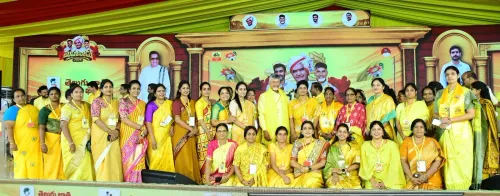
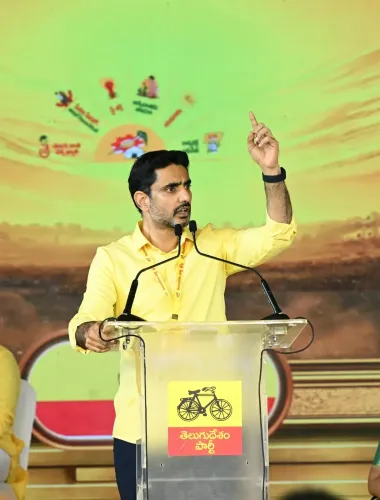
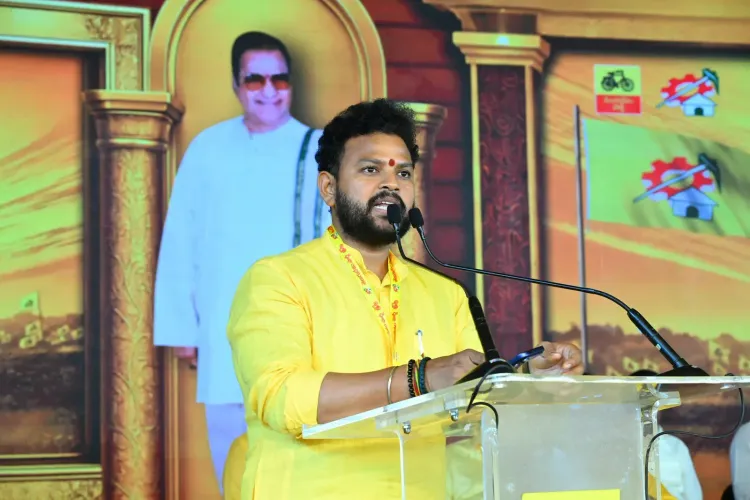
Telugu Desam Party (TDP) National Working President Nara Lokesh on Wednesday, 27 May proposed 33 per cent reservation for women within the party for the 2029 elections, a move that Union Civil Aviation Minister K. Ram Mohan Naidu described as 'a truly historic and game-changing moment in Indian politics.' The proposal was unveiled at Mahanadu, TDP's annual conclave held at the party's central office in Mangalagiri, Amaravati.
What Was Proposed at Mahanadu
Lokesh placed the women's reservation proposal before party delegates at the two-day Hybrid Mahanadu 2026 conclave. The proposal, if formalised, would reserve one-third of internal party positions and candidate slots for women ahead of the next state elections. TDP leadership framed it as a structural commitment rather than a symbolic gesture, positioning it within the party's broader push for inclusive governance under Chief Minister N. Chandrababu Naidu.
What Ram Mohan Naidu Said
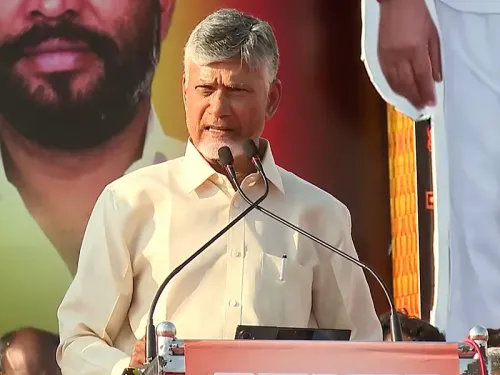
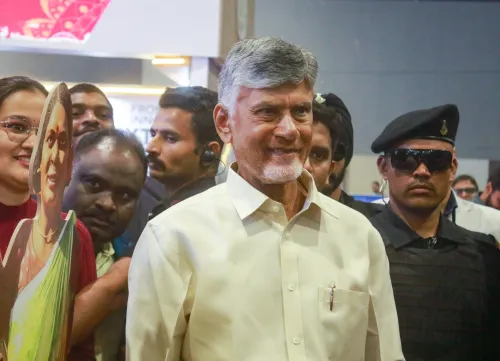
In a post on social media platform X, Ram Mohan Naidu said TDP 'has always been a torchbearer of progressive and people-centric politics in India.' He added that by encouraging 'our mothers, sisters, and daughters to step into leadership roles and providing them a powerful platform to showcase their capabilities, TDP under the visionary leadership of N. Chandrababu Naidu and Nara Lokesh has once again demonstrated its unwavering commitment towards women empowerment and inclusive governance.'
Naidu further stated: 'Women are not just participants in nation building, they are the architects of India's future. The seed for that transformative future has been sown today in Andhra Pradesh through this bold and visionary decision. This is not just a policy announcement, it is a movement towards stronger representation, equal opportunity, and a brighter future for generations to come.'
The Hybrid Mahanadu Model
Beyond the political announcement, the conclave itself drew attention for its scale and technology architecture. According to TDP officials, more than seven lakh cadres participated through a combination of physical attendance and digitally connected cluster centres across Andhra Pradesh. Around 1,875 digitally connected 'Mahanadu Cluster Centres' were established across constituencies and mandals, each equipped with LED screens, internet connectivity, audio systems, and live-streaming infrastructure.
The hybrid format allowed cadres from rural and semi-urban regions to watch speeches, participate in discussions, and vote on resolutions in real time — significantly reducing travel and accommodation burdens, particularly for women, senior citizens, and grassroots workers.
Technology and Logistics Behind the Scale
TDP deployed a GPS-enabled digital invitation system integrated through its MyTDP platform, which reportedly mapped cadres to their nearest participation centre using geolocation technology. The system generated digital attendance records and constituency-wise participation analytics. A central command-and-control centre monitored live feeds, streaming uptime, bandwidth stability, and engagement metrics across districts in real time — functioning, officials said, similarly to an enterprise-level operations dashboard.
Why This Matters
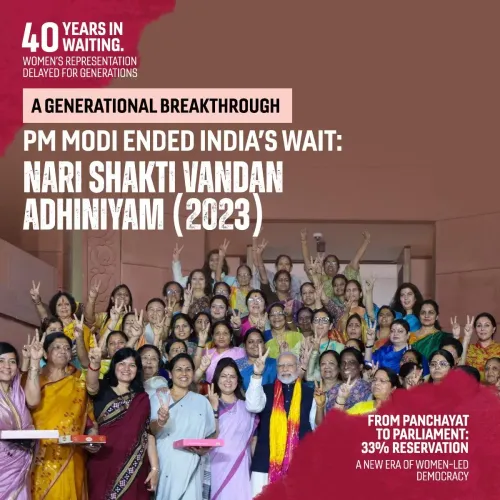
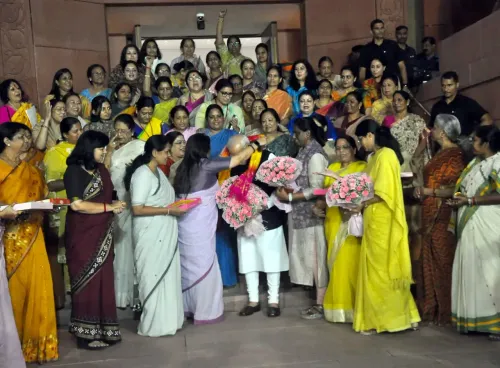
The proposal comes at a moment when women's political representation remains a contested issue nationally. India's Women's Reservation Act, passed by Parliament in 2023, reserves 33 per cent of Lok Sabha and state assembly seats for women but has not yet been operationalised, pending a delimitation exercise. TDP's move to implement a comparable quota within its own party structure — ahead of any legal compulsion — is notable, though critics may note that internal party quotas and legislative seat reservations carry different levels of enforceability. Whether the proposal translates into binding candidate selection norms will be closely watched as the 2029 Andhra Pradesh elections approach.
Point of View
Meaning the 33% figure remains aspirational at the national level. For TDP, the announcement at Mahanadu serves a dual purpose: it positions Nara Lokesh as a reform-minded successor to Chandrababu Naidu and gives the party a differentiating narrative ahead of 2029. The real test will be whether the quota translates into actual candidate lists, or remains a convention-floor commitment.
NationPress
25 Sept 2026
Frequently Asked Questions
What is TDP's 33% women reservation proposal?
TDP National Working President Nara Lokesh proposed reserving 33 per cent of positions and candidate slots within the Telugu Desam Party for women, targeting the 2029 elections. The proposal was made at the party's annual Mahanadu conclave in Amaravati on 27 May 2026.
Who is Nara Lokesh and why is this proposal significant?
Nara Lokesh is the National Working President of TDP and son of Andhra Pradesh Chief Minister N. Chandrababu Naidu. His proposal is significant because it mirrors India's Women's Reservation Act of 2023 — which reserves 33% of legislative seats for women — but applies it internally within a major regional party ahead of any legal compulsion.
What did Ram Mohan Naidu say about the TDP women's quota?
Union Civil Aviation Minister K. Ram Mohan Naidu posted on X that the proposal marks 'a truly historic and game-changing moment in Indian politics.' He credited TDP's leadership under Chandrababu Naidu and Nara Lokesh with demonstrating 'unwavering commitment towards women empowerment and inclusive governance.'
What was the Hybrid Mahanadu 2026 and how many people attended?
Hybrid Mahanadu 2026 was TDP's annual conclave held at its central office in Mangalagiri, Amaravati. More than seven lakh cadres participated through physical attendance and 1,875 digitally connected cluster centres across Andhra Pradesh, using live-streaming, GPS-based invitations, and a central command centre for real-time coordination.
When will TDP's women's reservation take effect?
The proposal targets the 2029 Andhra Pradesh elections. As of the Mahanadu announcement, it remains a party resolution; formal implementation details — including whether it will be binding on candidate selection — are yet to be announced by TDP leadership.