Telangana CM Revanth Orders Full Recovery of Miller Dues
Synopsis
Chief Minister Revanth Anumula ordered full recovery of paddy dues from rice millers, threatened to reassign allocations to Women's SHGs for wilful defaulters, and directed a silo bag storage pilot across five major paddy-producing districts of Telangana.
Key Takeaways
CM Revanth Anumula chaired a Civil Supplies review at MCRHRD on 12 August 2026 with Minister Uttam Kumar Reddy .
Officials were ordered to recover every pending paddy due from rice millers, with a formal recovery framework to be drafted and placed before a Cabinet sub-committee .
Wilful defaulter millers will lose paddy allocations, which will instead be transferred to Women's Self Help Groups (SHGs) for milling.
A silo bag storage pilot project will be launched in Nalgonda, Suryapet, Nizamabad, Peddapalli, and Kamareddy districts, with 50-100 acres per constituency allocated for SHG-managed construction.
Officials were directed to pre-identify private godowns, community halls, old theatres, and sheds at mandal and village level for paddy storage leasing.
South India Rice Millers Association President Thudi Devender Reddy and Civil Supplies Commissioner Stephen Ravindra attended the review.
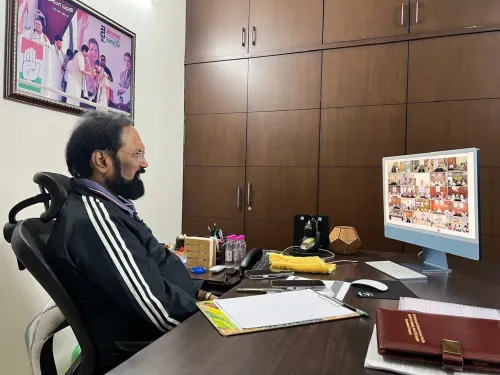
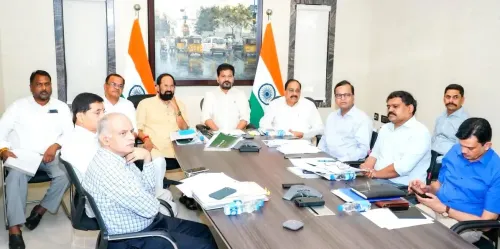
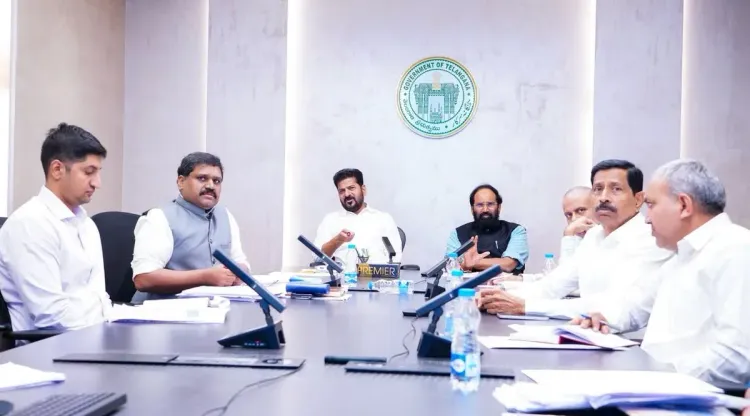
Every grain of paddy handed to a rice miller comes with an obligation — and Telangana Chief Minister Revanth Anumula has made clear that obligation will now be enforced to the last rupee. Chairing a high-level review of the Civil Supplies Department alongside Civil Supplies Minister Uttam Kumar Reddy at MCRHRD (Marri Chenna Reddy Human Resource Development Institute) on Wednesday, 12 August 2026, the Chief Minister issued blunt orders to officials: recover every pending due from rice millers, without exception.
Zero tolerance for wilful defaulters
The Chief Minister drew a sharp distinction between millers who operate with genuine commercial intent and those who deliberately evade payments. 'We will be cooperative with those who run mills with a business outlook,' the CMO post stated, 'but we will deal strictly with those who attempt wilful evasion.' That warning carries a concrete consequence: millers who turn into chronic defaulters will lose their paddy allocations entirely. The government will reassign that paddy to Women's Self Help Groups (SHGs), transferring milling responsibilities to them in place of the habitual non-payers.
Blame, arrears, and the previous government
The review also turned combative on the question of accountability. The Chief Minister expressed sharp displeasure at what he described as the previous government's role in allowing dues worth thousands of crores to accumulate — and then, he alleged, attempting to pin that liability on the current administration. Officials were told that some recovery progress has already been made, but that partial progress is not the finish line. A formal set of procedures for dues recovery must now be drafted, submitted to a Cabinet sub-committee for examination, and then converted into government policy.
Silo bags and a five-district pilot for storage
Beyond dues, the review tackled a recurring seasonal headache: where to store the flood of paddy that arrives each harvest. The Chief Minister directed officials to launch a pilot project for silo bag storage in Nalgonda, Suryapet, Nizamabad, Peddapalli, and Kamareddy — the five districts that receive the heaviest paddy inflows. Under this plan, 50 to 100 acres of land per constituency will be allocated for silo bag construction, managed by SHGs. A joint meeting of ministers from the Revenue, Civil Supplies, and Women's Welfare departments will be convened to plan the build-out.
The CM also asked officials to explore platforms at VBG Ram Ji for constructing wide plat-forms with German tents for paddy storage. At the ground level, officials were told to proactively identify private godowns, community halls, old theatres, and sheds at mandal and village level that could be leased for storage ahead of the next season.
Who was in the room
The review brought together CM's Principal Secretary V. Seshadri, TG Civil Supplies Commissioner Stephen Ravindra, and South India Rice Millers Association President Thudi Devender Reddy, alongside several senior officials — signalling that both the bureaucracy and the industry body were put on notice simultaneously.
The Cabinet sub-committee's verdict on the recovery framework, and whether the silo bag pilot can be operationalised before the next peak procurement season, will determine whether this review translates from a stern directive into structural change.
Point of View
A politically safe constituency. The Cabinet sub-committee route for the recovery framework suggests the government wants institutional cover before taking on a powerful industry body. How aggressively the framework is enforced — and whether the silo bag pilot scales beyond five districts — will be the real test of intent.
NationPress
12 Aug 2026
Frequently Asked Questions
Why is the Telangana government recovering dues from rice millers?
Rice millers who received paddy under the civil supplies procurement system have outstanding payments owed to the government. CM Revanth Anumula has ordered full recovery of these dues, saying the previous government allowed the arrears to accumulate and is now attempting to blame the current administration for them.
What happens to wilful defaulter millers in Telangana?
Millers identified as wilful defaulters will have their paddy allocations cancelled. That paddy will instead be assigned to Women's Self Help Groups, who will take over milling responsibilities.
What is the silo bag pilot project announced by Telangana CM?
The pilot project will establish silo bag storage facilities in Nalgonda, Suryapet, Nizamabad, Peddapalli, and Kamareddy — the districts with the highest paddy arrivals. Between 50 and 100 acres per constituency will be allocated for construction, managed by Women's SHGs.
What is the role of Women's SHGs in Telangana's paddy procurement plan?
Women's Self Help Groups are set to take on two new roles: managing silo bag storage infrastructure and taking over milling duties from rice millers who default on payments to the government.
What was decided at the Telangana Civil Supplies review meeting on 12 August 2026?
CM Revanth Anumula directed officials to draft a formal dues recovery framework for rice millers, submit it to a Cabinet sub-committee, launch a silo bag storage pilot in five districts, and pre-identify private storage spaces at mandal and village level for the next paddy season.