Telangana drought: Banks urged to restructure crop loans across 365 mandals
Synopsis
With 365 mandals declared drought-affected and monsoon farm loan disbursement stuck at a mere 17% of target, Telangana has sounded the alarm at its SLBC meeting — pressing banks to restructure crop loans, fast-track ₹38,268 crore in Rabi credit, and reach out proactively to farmers rather than waiting for distressed cultivators to come to them.
Key Takeaways
Telangana Deputy CM Mallu Bhatti Vikramarka urged banks at the SLBC meeting on 10 November 2026 to restructure or reschedule crop loans under RBI guidelines due to drought.
365 mandals across 31 districts are drought-declared; 111 mandals are severely affected.
Only 53% of the ₹96,943 crore loan disbursement target for the period ending September 2026 has been achieved; monsoon farm loans stand at just 17% of target.
Banks urged to promptly sanction ₹38,268 crore in crop loans earmarked for the Rabi season .
Approximately 10–15 lakh borewells are dry due to insufficient groundwater recharge, threatening both Kharif and Rabi crops.
Agriculture Minister Tummala Nageswara Rao cited the 'Super El Niño' phenomenon and called for proactive outreach to farmers beyond routine banking operations.
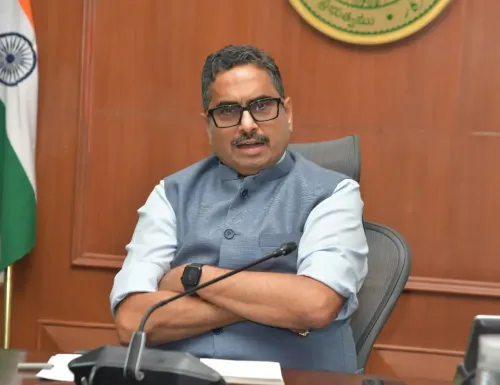
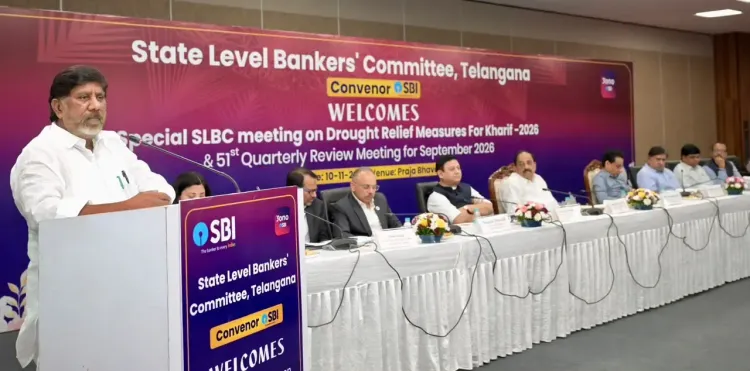
Telangana Deputy Chief Minister and Finance Minister Mallu Bhatti Vikramarka on Tuesday, 10 November 2026, called on banks to restructure or reschedule crop loans for eligible farmers in line with Reserve Bank of India (RBI) guidelines, citing severe drought conditions triggered by the El Niño phenomenon. The appeal was made at the State Level Bankers' Committee (SLBC) meeting in Hyderabad, where the state government flagged alarming gaps in farm credit delivery ahead of the Rabi season.
Scale of Drought and Loan Gaps
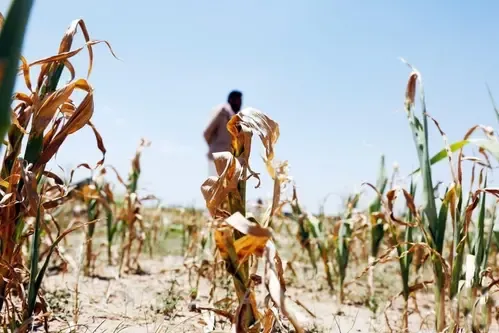
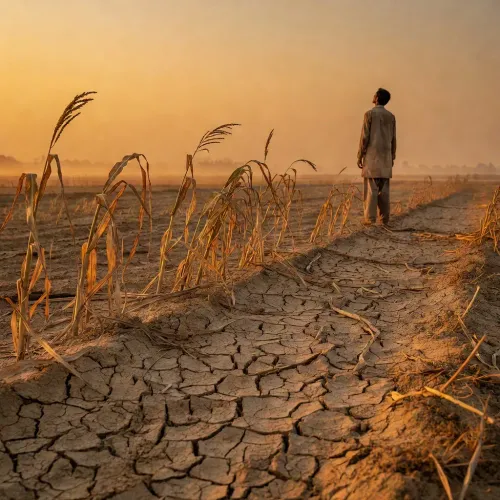
365 mandals spread across 31 districts have been declared drought-affected, with 111 mandals classified as severely impacted. The monsoon's failure has left approximately 10 to 15 lakh borewells dry, with groundwater levels failing to recharge adequately. Water storage in reservoirs has dropped sharply following an absence of floods in the Krishna and Godavari rivers this year.
Against this backdrop, the state government expressed concern that only 53% of the ₹96,943 crore loan disbursement target — set for the period ending September 2026 — has been achieved so far. More critically, monsoon farming loan disbursement has reached just 17% of its target, a figure officials described as deeply inadequate given field conditions.
Key Demands from the Government
Vikramarka urged banks to promptly sanction the ₹38,268 crore in crop loans earmarked for the Rabi season, stressing that field-level bankers must take initiative to avoid delays. He insisted that the monsoon's failure must not be allowed to damage the financial relationship between farmers and the banking system.
Special priority, he said, should be extended to small and marginal farmers, tenant farmers, and families dependent on agriculture-allied sectors. Banks were also advised to spread awareness about debt relief measures available to affected farmers, and to coordinate with District Collectors, Agriculture Department officials, and Lead District Managers to implement RBI guidelines at the ground level.
Agriculture Minister Flags 'Super El Niño' Impact
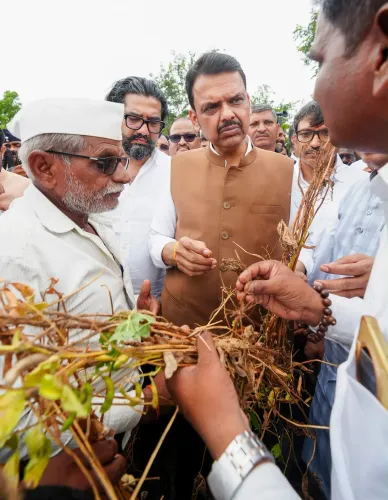
Agriculture Minister Tummala Nageswara Rao urged bankers to treat the current crisis as requiring action beyond routine banking operations, specifically citing the 'Super El Niño' phenomenon as the driver of the rainfall deficit. He stressed that bankers themselves should take the lead in reaching out to farmers, so that distressed cultivators are not compelled to make repeated visits to bank branches.
The minister called for immediate rescheduling or restructuring of crop loans in drought-affected mandals in accordance with RBI guidelines, warning that both Kharif and Rabi crops face compounded risk from the depleted groundwater situation.
Diversification and Alternative Livelihood Push
Beyond emergency credit, the state government called on banks to support a structural shift in farm practices. Financial backing was sought for low-water-consuming crops, crop diversification, micro-irrigation, storage and processing infrastructure, and Farmer Producer Organisations (FPOs). Vikramarka also suggested that banks help create alternative income sources for farming families, with a target of providing additional employment opportunities to at least 10 to 15% of these families in the current season.
He further urged a proactive approach on educational loans and individual home construction loans, signalling that the government views the banking sector's role as extending well beyond agricultural credit in the present crisis.
What Happens Next
Officials indicated that District Collectors and Lead District Managers will be tasked with coordinating field-level implementation of the RBI restructuring guidelines. The banking community is expected to submit a special action plan to support drought-hit farmers during the Rabi sowing window, with the state government monitoring disbursement progress closely.
Point of View
Not just a weather event. Telangana's SLBC meetings have historically produced directives that fade in field-level follow-through; the real question is whether District Collectors and Lead District Managers will be held to account this time, or whether the ₹38,268 crore Rabi target becomes another number that looks better in press releases than in farmers' accounts. With 10–15 lakh borewells dry and both Kharif and Rabi crops at risk, the window for meaningful credit intervention is narrowing fast.
NationPress
10 Nov 2026
Frequently Asked Questions
Why is Telangana asking banks to restructure crop loans?
Telangana has declared 365 mandals across 31 districts as drought-affected due to the El Niño phenomenon, severely impacting farmers' incomes and investments. The state government called on banks at the SLBC meeting on 10 November 2026 to restructure or reschedule loans under RBI guidelines and ensure timely fresh credit for the Rabi season.
How much crop loan is targeted for Telangana's Rabi season?
Banks have been urged to sanction ₹38,268 crore in crop loans earmarked for the Rabi season. This is part of a broader ₹96,943 crore annual disbursement target, of which only 53% had been achieved as of September 2026.
Which farmers will get priority under Telangana's loan relief push?
Special priority is to be given to small and marginal farmers, tenant farmers, and families dependent on agriculture-allied sectors. The government has also called for support to Farmer Producer Organisations and those willing to shift to low-water-consuming crops.
What is the impact of the El Niño on Telangana's agriculture?
The El Niño phenomenon — referred to by Agriculture Minister Tummala Nageswara Rao as a 'Super El Niño' — has caused a significant rainfall deficit, drying up approximately 10–15 lakh borewells and dropping reservoir water levels due to the absence of floods in the Krishna and Godavari rivers. This threatens both Kharif and Rabi crop seasons.
What role will District Collectors play in implementing the relief?
District Collectors, Agriculture Department officials, and Lead District Managers have been asked to coordinate at the field level to implement RBI restructuring guidelines and ensure there are no delays in loan sanctioning for drought-affected farmers.