Anurag Thakur Meets Hanns Seidel Foundation Rep on Indo-German Ties

Synopsis
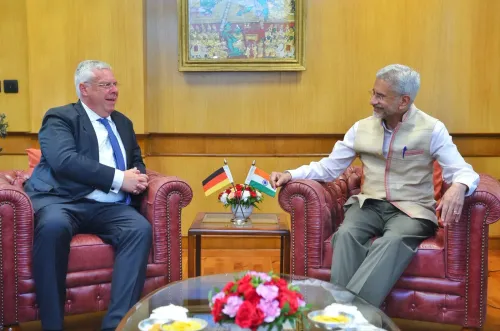
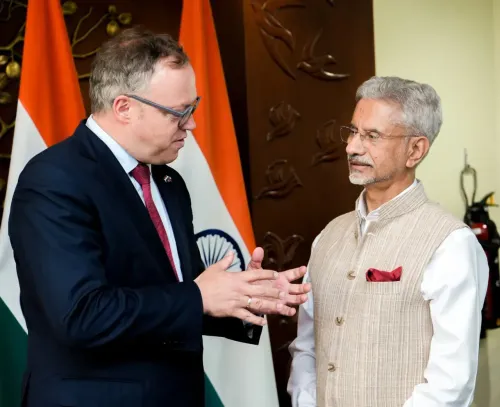
BJP MP Anurag Thakur held a courtesy meeting with Judith Weinberger Singh of the Hanns Seidel Foundation India on 25 May 2026, discussing democracy, peace, development, youth engagement, climate action, and women-led development under the broader Indo-German strategic partnership.
Key Takeaways
Anurag Thakur , BJP Lok Sabha MP from Hamirpur, Himachal Pradesh , met Judith Weinberger Singh , Resident Representative of Hanns Seidel Foundation India , on 25 May 2026 .
Discussions covered democracy, peace, and development alongside the broader Indo-German relationship.
Both sides expressed intent to collaborate on youth engagement , climate action , and women-led development .
The Hanns Seidel Foundation is a CSU -affiliated German political foundation active in India on democracy and sustainable development programmes.
The India-Germany strategic partnership has been in place since 2000 , supported by annual intergovernmental consultations.
India's commitment to women-led development was a centrepiece of its G20 presidency in 2023 , shaping ongoing international engagement.
BJP MP Anurag Thakur met Judith Weinberger Singh, Resident Representative of the Hanns Seidel Foundation India, on Monday, 25 May 2026, in a courtesy meeting that covered the Indo-German relationship alongside broader themes of democracy, peace, and development.
Context
Thakur, the BJP Lok Sabha MP from Hamirpur, Himachal Pradesh and former Union Minister of Information & Broadcasting and Youth Affairs & Sports, shared that the two sides 'discussed a wide range of issues, including democracy, peace and development.' The meeting also flagged forward-looking areas of collaboration: youth engagement, climate action, and women-led development.
The Hanns Seidel Foundation is a German political foundation affiliated with the Christian Social Union (CSU) that runs programmes on democracy, rule of law, and sustainable development across India. Its engagement with Indian parliamentarians and policy actors forms part of a broader pattern of European political foundations deepening non-governmental dialogue with New Delhi.
Policy Backdrop
The India-Germany strategic partnership, formalised in 2000, has grown to encompass annual intergovernmental consultations spanning trade, technology, defence, and climate policy. Germany remains one of India's most significant European partners, and interactions through political foundations such as Hanns Seidel complement the official bilateral architecture.
India placed women-led development at the centre of its G20 presidency agenda in 2023, signalling a long-term policy commitment that has since shaped engagement with international partners. Climate action and youth skilling have similarly emerged as recurring pillars in India's outreach to European non-state actors.
Stakeholders and Impact
Indian youth organisations, women's groups, and climate policy bodies stand to benefit most directly from any programmes that emerge from such dialogue. Engagements of this nature often feed into structured joint initiatives on vocational training, civic education, and green-transition planning.
For the Hanns Seidel Foundation, meetings with sitting parliamentarians like Thakur help anchor its India programmes within the legislative ecosystem, potentially amplifying the reach and policy relevance of its work on democratic governance.
What's Next
Follow-up announcements on joint programmes for youth engagement or climate action could surface ahead of the next round of India-Germany intergovernmental consultations. Parliamentary committees on external affairs may also take up related cooperation themes as bilateral engagement broadens.
The meeting signals that India's outreach to European civil-society and political-foundation networks continues to expand, reflecting a deliberate strategy of layering people-to-people and institutional ties alongside state-level diplomacy.
Point of View
A former minister with a portfolio that spanned youth affairs, aligning with a foundation focused on democratic governance and youth skilling is a natural extension of his legislative identity. The emphasis on women-led development and climate action mirrors the priority themes India has championed in multilateral forums since its G20 presidency. Taken together, such interactions suggest a deliberate parliamentary-level effort to broaden the texture of the Indo-German relationship beyond trade and defence.
NationPress
9 Oct 2026
Frequently Asked Questions
Who is Judith Weinberger Singh?
Judith Weinberger Singh is the Resident Representative of the Hanns Seidel Foundation India, a German political foundation affiliated with the Christian Social Union that works on democracy, rule of law, and sustainable development in India.
What is the Hanns Seidel Foundation and what does it do in India?
The Hanns Seidel Foundation is a German political foundation linked to the CSU party. In India it runs programmes focused on democratic governance, rule of law, and sustainable development, and engages with parliamentarians and policy actors to advance these goals.
What did Anurag Thakur and the Hanns Seidel Foundation discuss?
According to Thakur's post, the meeting covered the Indo-German relationship as well as democracy, peace, and development, with both sides looking forward to collaboration on youth engagement, climate action, and women-led development.
What is the India-Germany strategic partnership?
The India-Germany strategic partnership was formalised in 2000 and includes annual intergovernmental consultations covering trade, technology, defence, and climate policy, making Germany one of India's most important European partners.
Why is women-led development significant in India's foreign engagement?
India placed women-led development at the heart of its G20 presidency agenda in 2023, and it has since become a recurring theme in the country's engagement with international partners, including European political foundations and bilateral allies.