Tharoor Addresses SCTIMST T-RIC Conclave on Research Impact
Synopsis
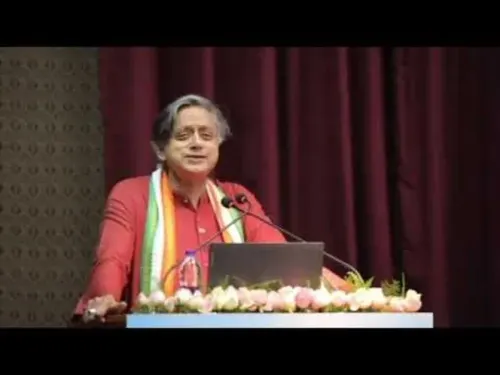
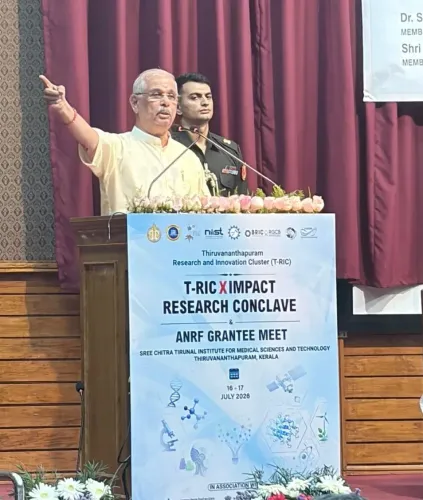
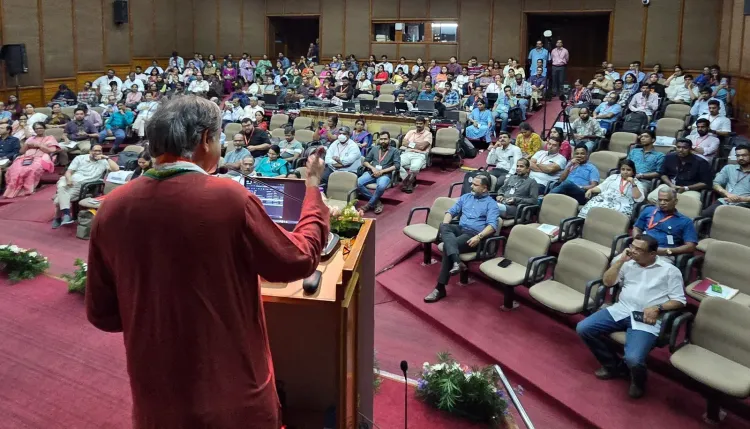
Congress MP Dr. Shashi Tharoor addressed the SCTIMST T-RIC Conclave in Thiruvananthapuram on 19 July 2026, highlighting the city's dense scientific ecosystem and the importance of maximising research impact from India's publicly funded institutions.
Key Takeaways
Shashi Tharoor addressed the SCTIMST T-RIC Conclave in Thiruvananthapuram on 19 July 2026 .
SCTIMST (Sree Chitra Tirunal Institute for Medical Sciences and Technology) was established in 1973 as an institute of national importance under the Department of Science and Technology .
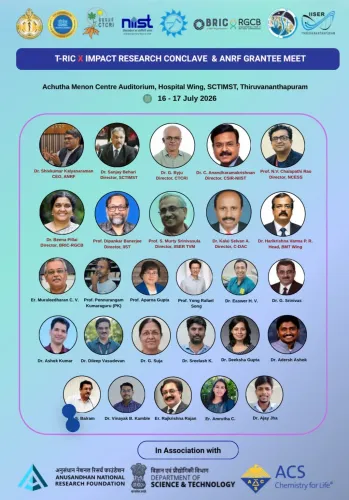
The conclave focused on the theme of maximising research impact from publicly funded scientific work.
Tharoor highlighted Thiruvananthapuram 's 'remarkable density of pioneering' research institutions as a source of national pride.
The T-RIC platform at SCTIMST is aligned with India's broader policy push toward translational research and science commercialisation.
Congress MP Dr. Shashi Tharoor addressed the SCTIMST T-RIC Conclave in Thiruvananthapuram on Sunday, 19 July 2026, speaking on the theme of maximising research impact and highlighting the city's exceptional concentration of scientific institutions.
Context
Dr. Tharoor, who represents Thiruvananthapuram in the Lok Sabha, described the occasion as 'a matter of immense pride,' citing the city's 'remarkable density of pioneering' research institutions. The conclave was organised by Sree Chitra Tirunal Institute for Medical Sciences and Technology (SCTIMST), one of India's foremost biomedical research bodies, through its T-RIC (Translational Research and Innovation Centre) platform.
His address underscored a recurring theme in his public role as the constituency's MP — championing Thiruvananthapuram's identity as a hub of science, technology, and innovation at the national level.
Policy Backdrop
SCTIMST was established in 1973 by the Government of India as an institute of national importance under the Department of Science and Technology. Its mandate spans biomedical research, medical device development, and healthcare technology — areas where India has historically sought greater self-reliance.
Successive national science and technology policies have placed growing emphasis on translational research — the process of converting laboratory findings into real-world medical and technological applications. The T-RIC platform at SCTIMST sits squarely within this policy thrust, seeking to bridge the gap between fundamental research and societal impact.
Stakeholders and Impact
Thiruvananthapuram hosts a distinctive cluster of national-level research institutions spanning space science, medical technology, and advanced engineering, making it one of the most research-dense cities in India relative to its size. Research scientists, biomedical engineers, and public health institutions across Kerala and the country stand to benefit from stronger frameworks around research commercialisation and translational output.
For the broader scientific community, conclaves of this nature serve as platforms to align institutional priorities with national policy goals, attract funding attention, and foster inter-institutional collaboration. Dr. Tharoor's participation as the sitting MP lends political visibility to the institute's work and its case for continued public investment.
What's Next
Attention will now turn to whether the conclave produces concrete recommendations on research commercialisation frameworks or spurs advocacy for increased allocations to regional science institutions in upcoming Union and state budgets. Dr. Tharoor's consistent championing of Thiruvananthapuram's scientific ecosystem suggests continued parliamentary advocacy on behalf of institutions like SCTIMST. The city's research cluster could gain further national prominence if such engagements translate into policy-level commitments.
Point of View
Tharoor also implicitly makes a case for sustained or increased public investment in regional science clusters at a time when science budget allocations remain a subject of active debate. The broader pattern — MPs championing their constituency's research infrastructure — reflects a growing recognition that science policy is increasingly a local as well as national political issue.
NationPress
18 Oct 2026
Frequently Asked Questions
What is the SCTIMST T-RIC Conclave?
The T-RIC Conclave is an event organised by the Sree Chitra Tirunal Institute for Medical Sciences and Technology (SCTIMST) in Thiruvananthapuram focused on translational research and maximising the societal impact of scientific work.
What is SCTIMST and why is it significant?
SCTIMST (Sree Chitra Tirunal Institute for Medical Sciences and Technology) is an autonomous institute of national importance established in 1973 under India's Department of Science and Technology, specialising in biomedical research and medical device development.
Why did Shashi Tharoor speak at the SCTIMST conclave?
Dr. Shashi Tharoor is the Congress MP from Thiruvananthapuram, the city where SCTIMST is located. He addressed the T-RIC Conclave on 19 July 2026 on the theme of maximising research impact, representing the constituency's scientific community.
What makes Thiruvananthapuram a research hub in India?
Thiruvananthapuram hosts a dense cluster of national-level research institutions spanning space science, medical technology, and advanced engineering, making it one of India's most research-intensive cities relative to its size.
What is translational research and why does it matter for India?
Translational research refers to converting laboratory and scientific findings into real-world applications, products, or policies. India's science and technology policy has increasingly emphasised this area to ensure publicly funded research delivers tangible societal and economic benefits.