Tharoor wraps Belfast JLF stint, heads back to Delhi
Synopsis
Congress MP Dr. Shashi Tharoor wrapped up his Jaipur Literature Festival Belfast stint on 25 May 2026 with a conversation on the changing world order, while reflecting on the city's iconic resistance murals as a universal symbol of solidarity, before flying back to Delhi.
Key Takeaways
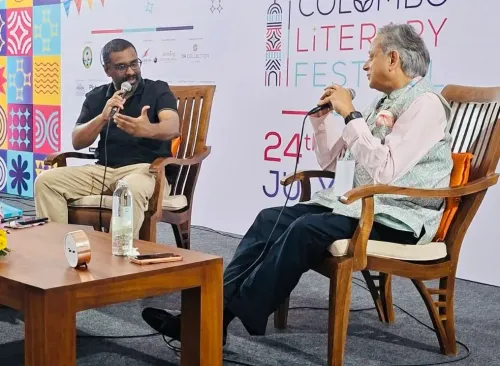
Shashi Tharoor attended the Jaipur Literature Festival's Belfast edition and concluded with a 1 pm session on the changing state of the world.
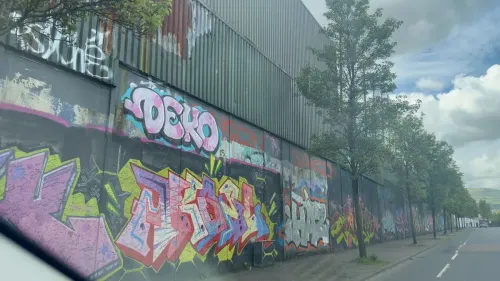
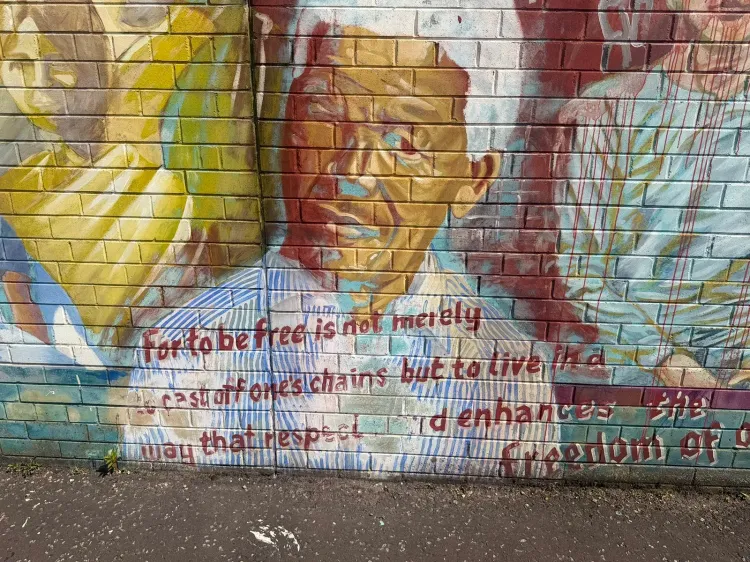
Tharoor described Belfast's political murals as embodying a universal 'solidarity of resistance' that transcends local conflict.
He departed Belfast for Delhi after the event on 25 May 2026 .
The Jaipur Literature Festival , founded in 2006 , hosts international editions that bring Indian voices into global intellectual dialogue.
Tharoor's cultural diplomacy track record includes his 2012 book Pax Indica and extensive engagement at global forums on India's foreign policy.
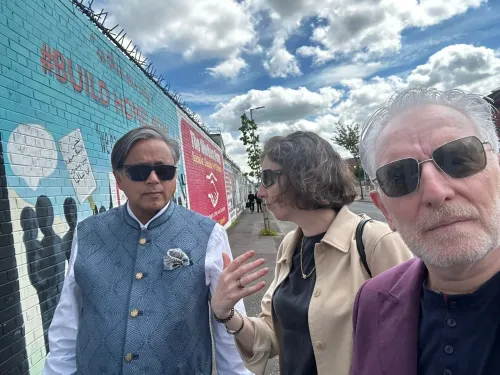
Congress MP Dr. Shashi Tharoor concluded his participation at the Jaipur Literature Festival's Belfast edition on Sunday, 25 May 2026, with a final session at 1 pm local time — a conversation on the changing state of the world — before departing for Delhi. The Thiruvananthapuram MP also reflected on the political murals of Belfast, describing the 'solidarity of resistance' as a universal language.
Context
Tharoor posted from Belfast noting that his concluding JLF event was a discussion on how the global order is shifting. He also drew attention to the city's iconic political murals — visual testaments to Northern Ireland's decades of conflict and reconciliation — observing that they carried messages resonant far beyond the island of Ireland. 'The world wasn't absent from the Irish murals we saw yesterday — the solidarity of resistance speaks a universal language,' he wrote.
Belfast's murals, particularly those in the Falls Road and Shankill Road areas, have long depicted not only local Troubles-era imagery but also expressions of solidarity with global resistance movements, from Palestine to South Africa. Tharoor's framing situates these works within a broader conversation about international solidarity and the politics of resistance.
Policy Backdrop
Tharoor has consistently used international literary and cultural platforms to articulate positions on global affairs and India's place in a multipolar world. His 2012 book Pax Indica laid out a framework for India's engagement with a shifting world order, and his appearances at global forums have extended that intellectual project beyond Parliament.
The Jaipur Literature Festival, founded in 2006, has grown into one of the world's largest free literary gatherings, with international editions that bring together writers, policymakers, and public intellectuals. Its Belfast edition places Indian voices in dialogue with European and global perspectives at a time when questions of sovereignty, resistance, and multilateralism are acutely debated.
Stakeholders and Impact
For the Indian diaspora in the United Kingdom and the broader literary community, Tharoor's presence at such forums reinforces the role of Indian parliamentarians as participants in global intellectual discourse. His commentary on Belfast's murals is likely to resonate with audiences attentive to postcolonial solidarity narratives and cultural diplomacy.
The session's theme — the changing state of the world — touches on issues including geopolitical realignment, the erosion of multilateral institutions, and the rise of nationalist movements, all subjects on which Tharoor has written and spoken extensively. The specific content of the conversation, however, has not been independently detailed.
What's Next
With his Belfast engagements complete, Tharoor is returning to Delhi, where Parliament's monsoon session will bring renewed focus to India's foreign policy positions and domestic legislative agenda. His international observations on resistance, solidarity, and the global order may well find an echo in his parliamentary interventions in the weeks ahead.
Point of View
Rather than a formal diplomatic forum, allows for a more expansive, less constrained articulation of views on global order. As Parliament's monsoon session approaches, such international positioning often previews the foreign-policy arguments an MP intends to press at home.
NationPress
21 Oct 2026
Frequently Asked Questions
Why was Shashi Tharoor in Belfast?
Dr. Shashi Tharoor was in Belfast to participate in the Jaipur Literature Festival's Belfast edition, where his final event was a conversation on the changing state of the world.
What did Tharoor say about Belfast's murals?
Tharoor observed that the world was present in Belfast's political murals, writing that 'the solidarity of resistance speaks a universal language,' connecting the city's Troubles-era imagery to broader global resistance movements.
What is the Jaipur Literature Festival Belfast edition?
The Jaipur Literature Festival, founded in 2006, is one of the world's largest free literary gatherings. Its international editions, including the Belfast edition, bring together writers, policymakers, and intellectuals for discussions on politics, culture, and global affairs.
When did Tharoor return to Delhi from Belfast?
Tharoor flew back to Delhi on Sunday, 25 May 2026, after his final session at the Belfast JLF concluded at 1 pm local time.
What is Shashi Tharoor's background in global affairs?
Dr. Tharoor is a Congress MP from Thiruvananthapuram, a former Union Minister, and a former UN Under-Secretary-General. He is also the author of Pax Indica (2012), which outlines India's engagement with a multipolar world order.