Tharoor Honoured by Feature on Sree Narayana Guru Book
Synopsis
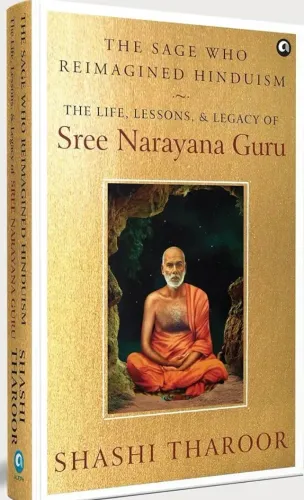
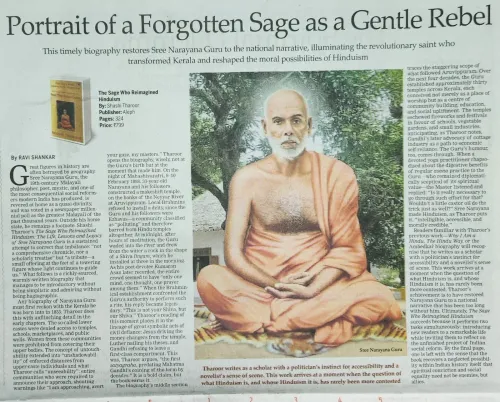
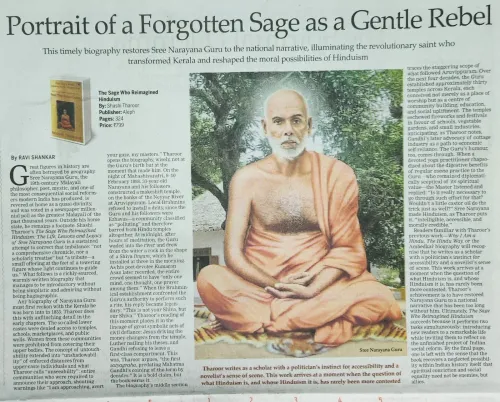
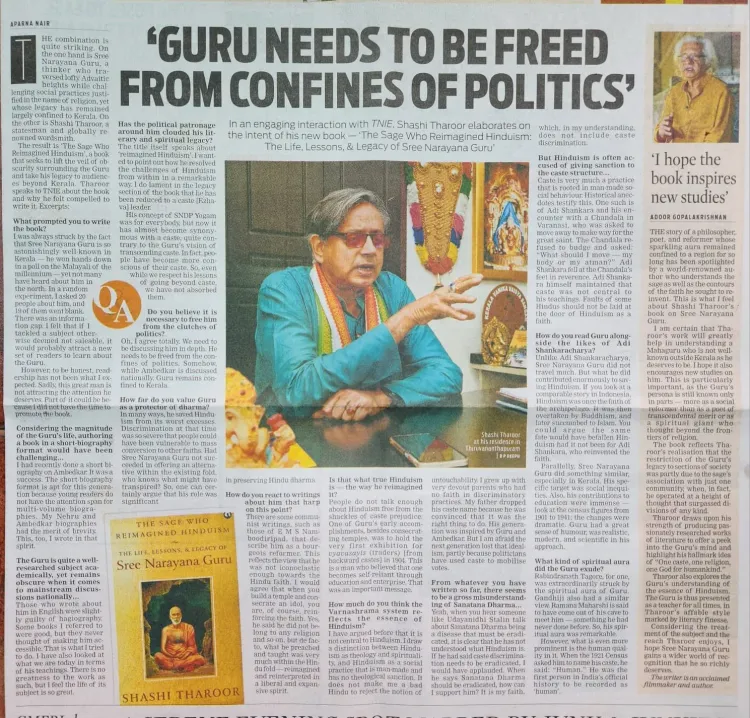
Congress MP Dr. Shashi Tharoor on June 10, 2026, welcomed a full-page feature on his book 'The Sage Who Reimagined Hinduism,' centred on Kerala reformer Sree Narayana Guru, published by Aleph Book Company, with views from Dadasaheb Phalke Award-winning filmmaker Adoor Gopalakrishnan.
Key Takeaways
Shashi Tharoor received a full-page feature on his book The Sage Who Reimagined Hinduism on June 10, 2026 .
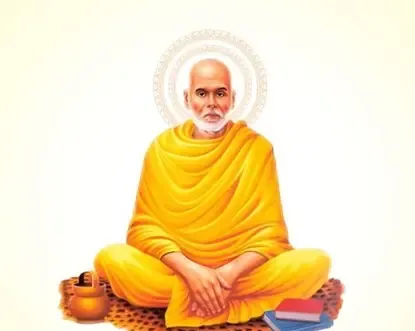
The book is focused on Sree Narayana Guru , the 19th-20th century Kerala social reformer and spiritual leader who campaigned against caste discrimination.
Celebrated filmmaker and Dadasaheb Phalke Award recipient Adoor Gopalakrishnan provided accompanying views in the feature.
The book is published by Aleph Book Company , a Delhi-based literary publishing house.
Tharoor expressed hope the coverage would help the book reach 'the wider audience it deserves.' The work continues a broader pattern of Kerala parliamentarians using literary engagement to foreground regional social reform traditions.
Congress MP Dr. Shashi Tharoor on Wednesday, June 10, 2026, expressed gratitude after receiving a full-page feature in a leading English daily on his latest book, The Sage Who Reimagined Hinduism, a work centred on the life and philosophy of Sree Narayana Guru. The feature also carried remarks from celebrated filmmaker Adoor Gopalakrishnan, whom Tharoor described as 'a legend of Indian cinema I deeply admire.'
Context
Tharoor took to social media to share his appreciation for the coverage, calling himself 'deeply honoured' both by the feature itself and by the accompanying views of Adoor Gopalakrishnan, a Dadasaheb Phalke Award recipient and a towering figure in Indian parallel cinema. The book is published by Aleph Book Company, a Delhi-based literary publishing house known for works on Indian history, culture, and society. Tharoor expressed hope that the coverage would help the book 'find the wider audience it deserves.'
About the Subject
Sree Narayana Guru was a Kerala-born spiritual leader and social reformer of the late 19th and early 20th century who mounted a sustained campaign against caste discrimination and untouchability. He founded the Sree Narayana Dharma Paripalana Yogam, an organisation that became a cornerstone of the social reform movement in Kerala. His teachings emphasised human equality and a reinterpretation of Hindu spiritual practice stripped of caste hierarchy, making him one of the most consequential reformers in modern Indian history.
Policy Backdrop and Literary Pattern
Indian parliamentarians from Kerala, in particular, have a long tradition of using literary and scholarly works to foreground regional social reformers and reinterpret religious traditions for contemporary audiences. Tharoor, a prolific author whose previous works span Indian history, politics, and civilisational identity, continues this pattern with his focus on Narayana Guru. The book sits at the intersection of religious history and social reform — themes that carry enduring relevance in contemporary debates about caste, identity, and the character of Hinduism.
Adoor Gopalakrishnan's involvement as a commentator adds cultural weight to the book's reception. His films have long engaged with Kerala's social and political fabric, and his endorsement is likely to resonate strongly with literary and cultural circles in the state and beyond.
Stakeholders and Impact
The feature is expected to widen the book's readership beyond political audiences to include literary readers, scholars of religion, and communities connected to the Sree Narayana Dharma Paripalana Yogam movement. Kerala's cultural establishment — academics, filmmakers, and social commentators — represents a key audience for a work that bridges spiritual biography and contemporary social commentary. The involvement of Aleph Book Company ensures national distribution and visibility in literary circles across India.
What's Next
The full-page feature is likely to generate further critical attention, with possible book events in Kerala and other southern states, as well as academic and literary forum discussions on Narayana Guru's legacy and Tharoor's interpretation of it. Reviews in cultural and scholarly publications may follow, extending the conversation around the book's central argument — that Narayana Guru fundamentally reimagined the contours of Hindu thought and practice. As interest in India's social reform traditions grows in both academic and popular spheres, the book arrives at a moment when such reinterpretations carry particular resonance.
Point of View
A figure of unimpeachable cultural authority in Kerala, signals that the book is being received as a serious literary and intellectual contribution, not merely a political gesture. This sits within a longer arc of Tharoor positioning himself as a bridge between parliamentary politics and India's civilisational debates. The full-page feature is likely to accelerate the book's reach into cultural and academic circles where discussions of caste, reform, and religious identity remain live and consequential.
NationPress
26 Oct 2026
Frequently Asked Questions
What is Shashi Tharoor's book on Sree Narayana Guru about?
The book, titled 'The Sage Who Reimagined Hinduism,' examines the life, philosophy, and legacy of Sree Narayana Guru, the Kerala-born 19th-20th century social reformer and spiritual leader who campaigned against caste discrimination and offered a reinterpretation of Hindu practice centred on human equality.
Who is Adoor Gopalakrishnan and why is his comment significant?
Adoor Gopalakrishnan is a Kerala filmmaker and recipient of the Dadasaheb Phalke Award, India's highest honour in cinema, widely regarded as a pioneer of Indian parallel cinema. His views on Tharoor's book carry significant cultural weight, particularly in Kerala's literary and artistic circles.
Who published Shashi Tharoor's book on Sree Narayana Guru?
The book was published by Aleph Book Company, a Delhi-based publishing house specialising in literary non-fiction and works by Indian authors.
Who was Sree Narayana Guru?
Sree Narayana Guru was a Kerala-born Hindu spiritual leader and social reformer of the late 19th and early 20th century. He founded the Sree Narayana Dharma Paripalana Yogam and is celebrated for his campaign against caste discrimination and his reinterpretation of Hindu philosophy.
What did Shashi Tharoor say about the book feature?
Tharoor said he was 'deeply honoured' by the full-page feature and by the accompanying views of Adoor Gopalakrishnan, expressing hope that the coverage would help the book 'find the wider audience it deserves.'