Tharoor hails review of his book on Sree Narayana Guru
Synopsis
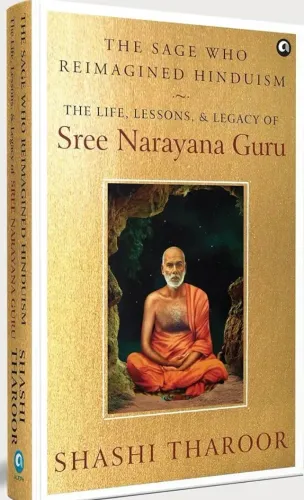
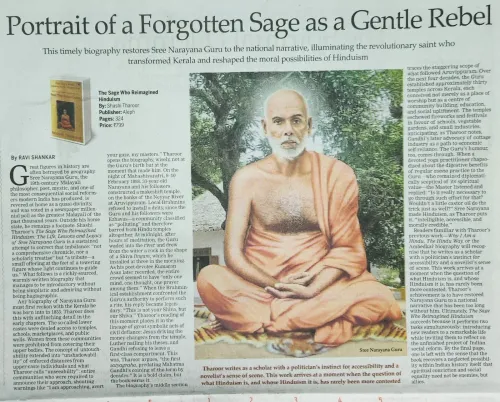
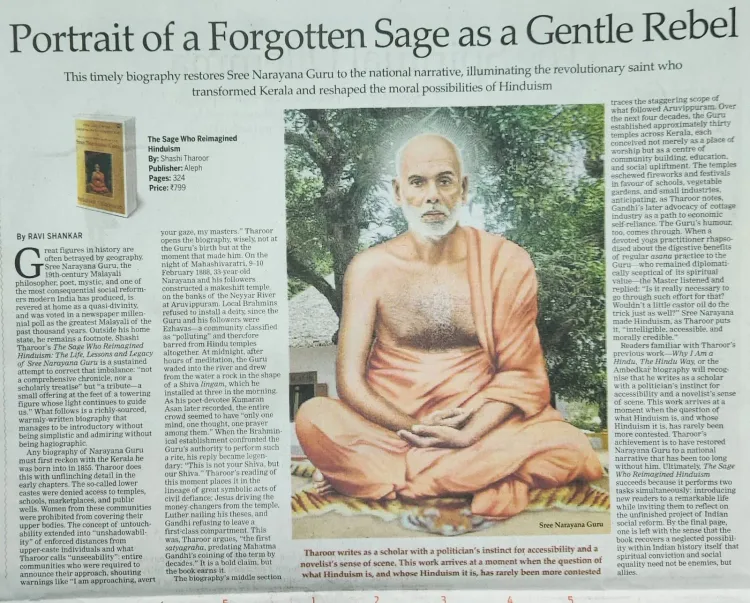
Congress MP Dr. Shashi Tharoor on June 7, 2026 praised a review of his book 'The Sage Who Reimagined Hinduism', a study of Kerala reformer Sree Narayana Guru, calling the piece 'marvellous' and urging readers to discover the 19th-century saint's national legacy.
Key Takeaways
Shashi Tharoor shared a review of his book #TheSageWhoReimaginedHinduism on June 7, 2026 .
The review was written by Ravi Shankar Etteth and published in a national English daily.
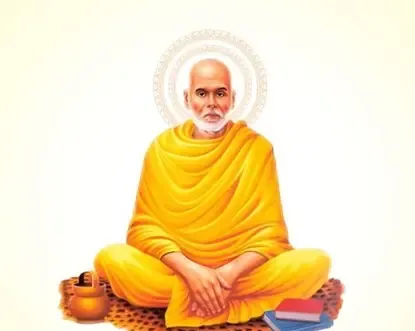
The book is a study of Sree Narayana Guru (1856–1928) , the Kerala-born philosopher and anti-caste reformer.
Tharoor called the review 'marvellous' and said Narayana Guru 'deserves to be better known outside Kerala.' Narayana Guru's legacy of temple-entry movements and social equality remains central to debates on inclusive Hinduism in India.
The book adds to Tharoor's wider body of writing on Indian civilisation, pluralism, and Hindu reform traditions.
Congress MP Dr. Shashi Tharoor on Sunday, June 7, 2026, shared a glowing review of his book #TheSageWhoReimaginedHinduism — a study of Sree Narayana Guru — calling it a 'marvellous review' and expressing hope that it would encourage readers to pick up the book.
Context
The review, authored by Ravi Shankar Etteth, appeared in a national English daily and was shared by Tharoor on his official X account. Tharoor described the piece as 'marvellous' and noted that Sree Narayana Guru 'really deserves to be better known outside Kerala.' The post drew attention to a spiritual and social reformer whose national profile, Tharoor argues, remains underappreciated.
The book is Tharoor's study of Sree Narayana Guru (1856–1928), the Kerala-born philosopher-saint who led a sweeping movement against caste discrimination, championed temple entry for marginalised communities, and promoted education and social equality within Hindu society. Narayana Guru's teachings continue to shape Kerala's social fabric and are frequently cited in contemporary debates on inclusive Hinduism.
Policy Backdrop
Tharoor has over the years built a substantial body of writing that interrogates Hindu thought and Indian civilisational history for a broad national readership. His books have consistently sought to present progressive, pluralist readings of tradition — situating reformers like Narayana Guru within a mainstream national narrative rather than confining them to regional or sectarian memory.
Narayana Guru's legacy is particularly relevant in the current moment, when questions of caste, temple access, and the meaning of Hindu identity remain live political and social issues across India. Scholars and activists have long argued that reformers of Narayana Guru's stature deserve a place in the national canon alongside figures such as B.R. Ambedkar and Jyotirao Phule.
Stakeholders and Impact
The book and its reviews speak directly to literary readers, social reform scholars, and communities in Kerala and the wider South Indian diaspora for whom Narayana Guru is a foundational figure. A positive review in a widely circulated national English daily can meaningfully expand the book's readership beyond its existing audience.
For the broader discourse on Hindu reform movements, Tharoor's framing of Narayana Guru as a sage who 'reimagined Hinduism' contributes to an ongoing intellectual effort to reclaim anti-caste and egalitarian threads within the tradition. This positions the book not merely as biography but as an intervention in contemporary debates about religion, identity, and social justice.
What's Next
The review is likely to generate further discussion in literary and academic circles, potentially prompting seminars, panel discussions, or state-level commemorations around Narayana Guru's legacy. Thiruvananthapuram and Kerala more broadly may see renewed public interest in the reformer's life and philosophy. Tharoor's continued engagement with such subjects signals that the intersection of culture, religion, and social reform will remain a significant thread in his public intellectual work in the months ahead.
Point of View
Tharoor stakes out an inclusive, anti-caste reading of the tradition that implicitly challenges more exclusionary interpretations. The move also reinforces Tharoor's identity as a public intellectual rooted in Kerala while addressing a pan-Indian audience. Whether the book catalyses a broader national conversation about Narayana Guru's place in India's reform canon will depend on the reception it finds in academic and policy circles beyond the literary pages.
NationPress
24 Oct 2026
Frequently Asked Questions
What is Shashi Tharoor's book 'The Sage Who Reimagined Hinduism' about?
It is Tharoor's study of Sree Narayana Guru, the Kerala-born 19th-century philosopher and social reformer who campaigned against caste discrimination and championed education and equality within Hindu society.
Who was Sree Narayana Guru?
Sree Narayana Guru (1856–1928) was a Kerala-born spiritual leader and social reformer who led movements against caste discrimination, fought for temple entry for marginalised communities, and promoted social equality within Hinduism.
Who reviewed Tharoor's book on Narayana Guru?
The review Tharoor shared was written by Ravi Shankar Etteth, an Indian columnist and author known for literary commentary in English-language publications.
Why does Tharoor say Narayana Guru deserves to be better known outside Kerala?
Tharoor argues that Narayana Guru's contributions to anti-caste activism, social reform, and a pluralist vision of Hinduism are of national significance and should place him alongside other celebrated reformers in India's mainstream historical narrative.
What is the broader significance of writing about Narayana Guru today?
Narayana Guru's legacy of inclusive, egalitarian Hinduism remains relevant to contemporary debates on caste, temple access, and religious identity in India, making scholarly attention to his life and thought particularly timely.