Tharoor Visits Colombo Public Library, Praises Mayor's Passion
Synopsis
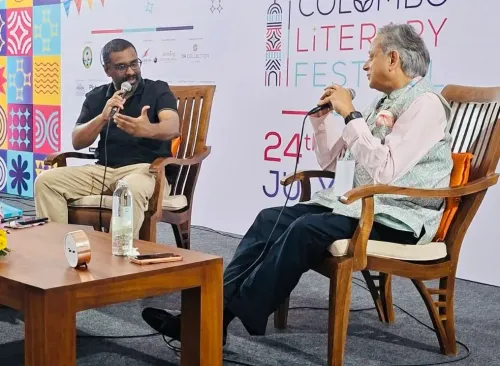
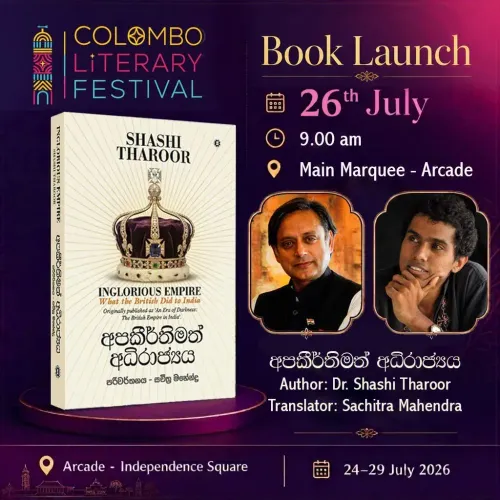
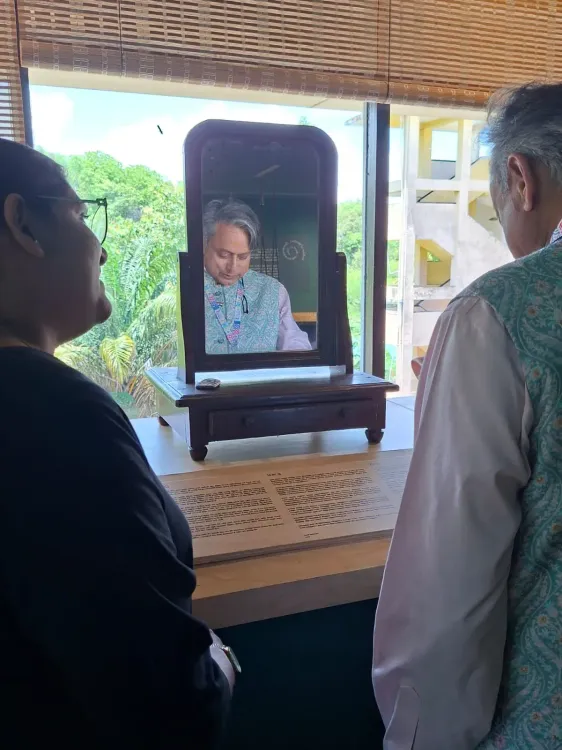
Congress MP Dr. Shashi Tharoor visited the Colombo Public Library on 26 July 2026 after speaking at the Colombo Literary Festival, lauding its young readership, multilingual collections including Japanese and Korean sections, and the mayor's passionate civic pride.
Key Takeaways
Shashi Tharoor visited the Colombo Public Library on 26 July 2026 following his appearance at the Colombo Literary Festival .
The library was described as 'thronged with young readers,' indicating strong youth engagement with the institution.
The collection includes dedicated Japanese and Korean language sections, an uncommon feature for a South Asian public library.
Tharoor praised the city's mayor for her 'palpable pride' in Colombo's civic offerings, calling her enthusiasm 'exemplary.' The visit reflects Tharoor's longstanding role as a cultural ambassador at South Asian literary events, reinforcing India-Sri Lanka people-to-people ties.
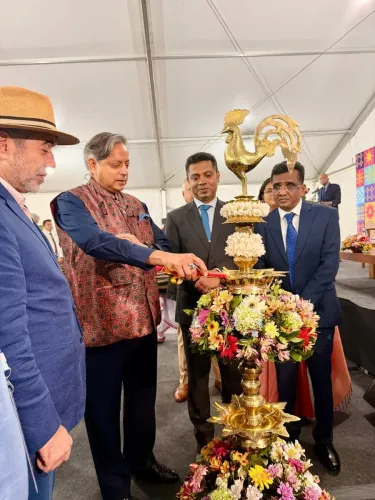
Congress MP Dr. Shashi Tharoor visited the Colombo Public Library in Sri Lanka on Sunday, 26 July 2026, following his morning appearance at the Colombo Literary Festival, expressing admiration for both the library's diverse collection and the enthusiasm of the city's mayor.
Context
Tharoor, who spoke at the Colombo Literary Festival earlier that morning, made a post-event visit to the Colombo Public Library accompanied by the city's mayor. He described the library as 'thronged with young readers' and praised its 'remarkable collection,' which notably includes dedicated Japanese and Korean language sections — an unusual feature for a South Asian public library.
The Congress MP expressed particular admiration for the mayor's evident pride in her city, writing that her 'palpable pride in what her city has to offer was exemplary,' and adding, 'I wish there were more book-loving municipal leaders like her.'
Policy Backdrop
Tharoor has long been a prominent voice at literary festivals across South Asia, using such platforms to champion reading culture, multilingualism, and shared educational heritage between India and its neighbours. His appearances at events in Sri Lanka are consistent with a broader pattern of people-to-people cultural diplomacy between the two countries.
The Colombo Literary Festival is an annual regional event that draws authors, thinkers, and readers from across South Asia, serving as a soft-power bridge between neighbouring nations. Indian public figures participating in such forums have historically underscored the deep linguistic and intellectual ties between India and Sri Lanka.
Stakeholders and Impact
The visit shines a spotlight on the Colombo Public Library as a thriving civic institution, with Tharoor's account suggesting strong youth engagement — a detail that carries significance at a time when public library footfall is declining in many cities globally. The presence of Japanese and Korean sections signals the library's ambition to serve a cosmopolitan readership.
For municipal leaders across South Asia, Tharoor's public appreciation of a book-loving mayor offers a rare moment of positive recognition for civic leadership in the cultural sphere. His call for 'more book-loving municipal leaders' implicitly frames literary investment as a marker of good governance.
What's Next
Attention will now turn to whether Tharoor's visit and endorsement catalyse any formal India-Sri Lanka municipal-level cultural cooperation, particularly around library development or literary exchange programmes. Future editions of the Colombo Literary Festival are also likely to see continued participation from Indian parliamentarians and authors, reinforcing the event's role as a regional cultural bridge.
Point of View
While ceremonial in nature, carries quiet diplomatic weight — an Indian MP publicly championing a Sri Lankan civic institution sends a warm signal at a time when India-Sri Lanka relations benefit from every strand of soft power. His explicit praise for a municipal leader's literary investment is also a subtle rebuke to the broader neglect of public libraries in South Asian urban governance. The post's viral potential among book communities across the region could amplify the Colombo Literary Festival's profile as a serious pan-South Asian cultural platform. Tharoor's consistent presence at such events cements his identity as a parliamentarian whose cultural capital extends well beyond domestic politics.
NationPress
26 Jul 2026
Frequently Asked Questions
Why did Shashi Tharoor visit Colombo in July 2026?
Dr. Shashi Tharoor travelled to Colombo to appear at the Colombo Literary Festival on 26 July 2026, after which he visited the Colombo Public Library with the city's mayor.
What is the Colombo Literary Festival?
The Colombo Literary Festival is an annual regional literary event held in Colombo, Sri Lanka, attracting authors, thinkers, and readers from across South Asia.
What is special about the Colombo Public Library?
The Colombo Public Library is noted for its extensive collection, including dedicated Japanese and Korean language sections, and is reported to attract a large number of young readers.
What did Shashi Tharoor say about the Colombo mayor?
Tharoor described the mayor's enthusiasm for the city's offerings as 'exemplary' and said her 'palpable pride' in Colombo was inspiring, adding that he wished there were more book-loving municipal leaders like her.
How is Shashi Tharoor connected to Sri Lanka culturally?
Tharoor has a longstanding presence at South Asian literary festivals and has used such platforms to highlight shared educational and cultural heritage between India and Sri Lanka.