Tamil Nadu breakfast scheme tenders floated as beneficiaries cross 34 lakh
Synopsis
Tamil Nadu's flagship school breakfast scheme has crossed 34 lakh beneficiaries after being extended to Classes 6–8 by Chief Minister C. Joseph Vijay, pushing its total budget to ₹724 crore. The state is now procuring thousands of metric tonnes of ingredients to keep the programme running through early 2027 — a logistical scale that few state welfare schemes have matched.
Key Takeaways
Tamil Nadu has floated nationwide electronic tenders for ingredients under the Perunthalaivar Kamarajar Breakfast Scheme , covering supplies for 1 January–March 2027 .
The scheme currently benefits 34.64 lakh children across 44,984 government and government-aided schools .
Procurement includes 1,300 MT of double-roasted rava, 1,200 MT of samba rava, and 1,300 MT of semiya (vermicelli).
Bid submission deadline is 2 December 2026 ; suppliers from across India can participate.
Joseph Vijay expanded coverage to Classes 6–8 in September 2026, adding an extra ₹217.63 crore to the budget, taking the total to ₹724 crore .
A State Planning Commission survey found improved attendance in 1,319 of 1,543 schools evaluated.
The Tamil Nadu government has floated nationwide electronic tenders for food ingredients required under the Perunthalaivar Kamarajar Breakfast Scheme, as the programme's beneficiary count surpasses 34 lakh children enrolled in government and government-aided schools across the state. The procurement is designed to ensure uninterrupted delivery of the morning meal initiative for the three-month period beginning 1 January 2027.
What the tenders cover
According to the tender notification, the government proposes to procure 1,300 metric tonnes of double-roasted rava in one-kilogram packets, 1,200 metric tonnes of samba rava in one-kilogram packs, and 1,300 metric tonnes of semiya (vermicelli) in 200-gram packets — completing three categories of ingredients covered by the exercise. The procurement will be channelled through the state's consumer cooperative network. Tender documents were made available for download on 2 November, with 2 December set as the bid submission deadline. Suppliers from across India are eligible to participate in the electronic tendering process.
Scheme background and expansion
The programme traces its origins to the Chief Minister's Breakfast Scheme launched on 15 September 2022 under the Dravida Munnetra Kazhagam (DMK) government headed by M.K. Stalin. It was introduced to provide nutritious morning meals to primary schoolchildren, particularly those from economically disadvantaged families. Initially rolled out in select schools, the scheme was expanded in phases to cover all government primary schools before being extended to government-aided institutions, significantly broadening its reach.
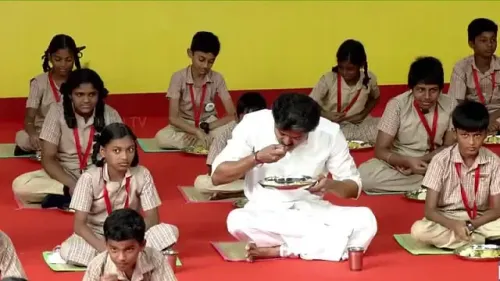
In September 2026, Chief Minister C. Joseph Vijay extended coverage to students in Classes 6 to 8, bringing approximately 34.64 lakh children across 44,984 schools under the programme's ambit. The expansion required an additional allocation of ₹217.63 crore, raising the scheme's overall budget to ₹724 crore.
What the scheme delivers
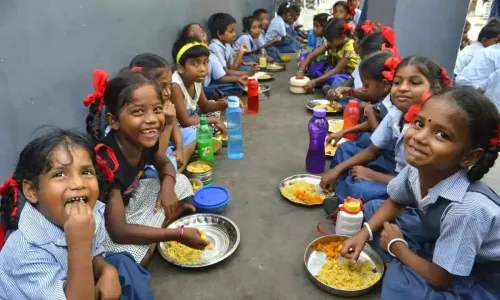
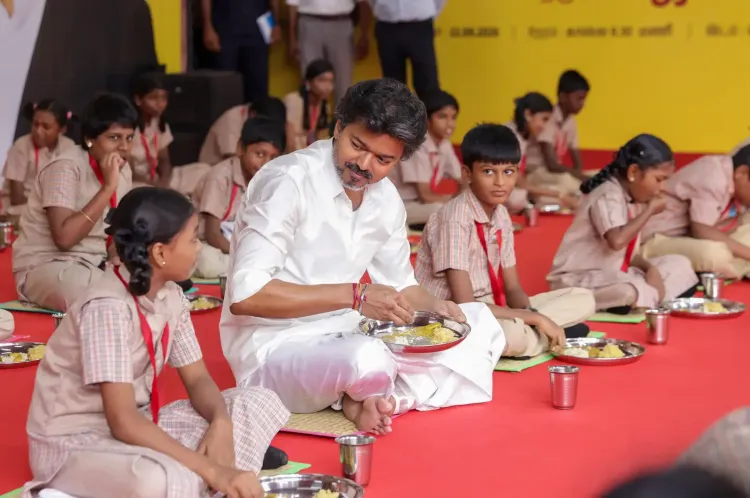
The programme provides freshly prepared breakfasts — including pongal, upma, kichadi, and other nutritious dishes — before the school day begins. Its stated objectives are to prevent classroom hunger, raise nutritional standards, improve attendance, and help students concentrate on their studies.
Early results and outlook
An evaluation conducted by the State Planning Commission found improved attendance in 1,319 of the 1,543 schools surveyed, indicating encouraging early outcomes. This comes amid a broader national push to strengthen school nutrition programmes, with Tamil Nadu positioning the initiative as a model for reducing learning disruptions caused by hunger. The latest tender round is a logistical milestone, signalling the government's intent to sustain the programme's expanded scale through the upcoming quarter.
Point of View
A ₹724 crore budget, and nearly 45,000 schools — makes it one of the most operationally ambitious state welfare programmes in the country. What is worth watching is whether the supply chain, routed through consumer cooperatives, can consistently deliver quality at this volume; past state procurement exercises in food welfare have stumbled on last-mile execution even when headline numbers looked impressive. The State Planning Commission's attendance data is encouraging but covers barely 3% of enrolled schools, so the evidence base for a national replication argument remains thin. As more states eye similar models, Tamil Nadu's ability to maintain nutritional standards — not just meal counts — will determine whether this becomes a genuine policy template or merely a political showcase.
NationPress
4 Nov 2026
Frequently Asked Questions
What is the Perunthalaivar Kamarajar Breakfast Scheme?
The Perunthalaivar Kamarajar Breakfast Scheme is a Tamil Nadu government initiative that provides free, freshly prepared morning meals — including pongal, upma, and kichadi — to children in government and government-aided schools before classes begin. It was originally launched as the Chief Minister's Breakfast Scheme on 15 September 2022 and has since been expanded to cover Classes 1 through 8.
How many children benefit from the Tamil Nadu breakfast scheme?
Approximately 34.64 lakh children across 44,984 schools are currently enrolled under the scheme, following its extension to Classes 6 to 8 by Chief Minister C. Joseph Vijay in September 2026.
What is the total budget allocated for the breakfast scheme?
The scheme's overall allocation stands at ₹724 crore after an additional ₹217.63 crore was approved to fund the expansion to Classes 6–8. The latest procurement tender covers supplies for a three-month period starting 1 January 2027.
Who can bid for the breakfast scheme supply tenders?
Suppliers from across India are eligible to participate in the nationwide electronic tendering process. The bid submission deadline is 2 December 2026, and tender documents have been available for download since 2 November 2026.
Has the breakfast scheme shown measurable results?
An evaluation by the Tamil Nadu State Planning Commission found improved school attendance in 1,319 out of 1,543 schools surveyed, suggesting a positive early impact on student turnout. However, the survey covered a limited sample of the scheme's total school base.