CM Vijay Expands Breakfast Scheme to Classes 6-8 from Sept 17
Synopsis
Chief Minister C. Joseph Vijay announced on June 15, 2026, that Tamil Nadu's free breakfast programme for government school students will be extended to Classes 6-8 starting September 17 — Thanthai Periyar's birth anniversary — following a Social Welfare Department review meeting.
Key Takeaways
Joseph Vijay announced the expansion of the Chief Minister's Breakfast Scheme to Classes 6, 7, and 8 in Tamil Nadu government schools.
The expanded scheme will take effect on September 17, 2026 , the birth anniversary of social reformer Thanthai Periyar .
The scheme was originally launched in 2022 covering only Classes 1 to 5 ; this is its first extension to upper-primary grades.
The announcement followed a review meeting on the Social Welfare and Women's Rights Department's activities.
Tamil Nadu's school meal tradition dates to the 1950s–60s noon-meal programme , making this part of a decades-long welfare continuum.
Operational guidelines and budget allocations for the September 17 rollout are awaited.
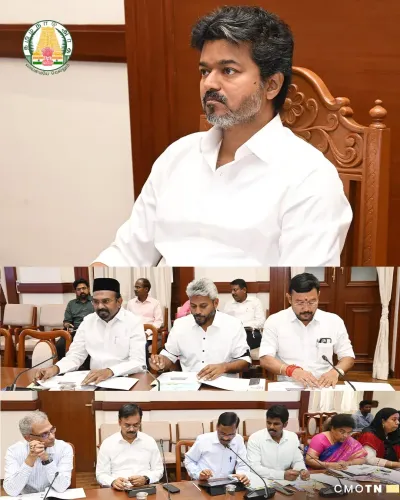
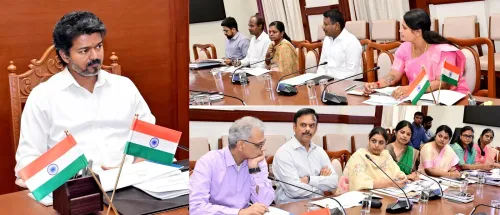
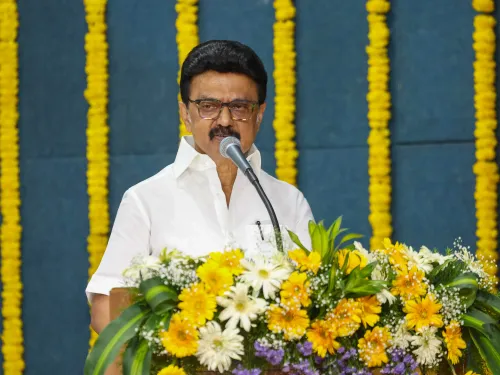
The Chief Minister's Office of Tamil Nadu announced on Monday, June 15, 2026, that Chief Minister C. Joseph Vijay will expand the Chief Minister's Breakfast Scheme to students of Classes 6 through 8 in government schools, effective September 17, 2026 — the birth anniversary of social reformer Thanthai Periyar. The announcement came after CM Vijay chaired a review meeting on the functioning of the Social Welfare and Women's Rights Department.
Context
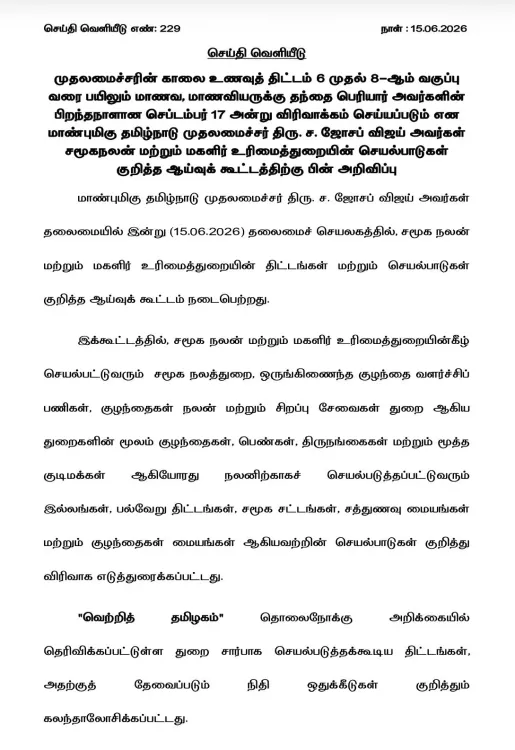
The Tamil-language post from the Chief Minister's Office states: 'The Chief Minister's Breakfast Scheme will be expanded to students studying in Classes 6 to 8 on September 17, the birthday of Thanthai Periyar, as announced by the Honourable Chief Minister of Tamil Nadu, Mr. C. Joseph Vijay, following a review meeting on the activities of the Social Welfare and Women's Rights Department.' The choice of September 17 — Periyar's birth anniversary — is a deliberate alignment of welfare policy with the ideological heritage of the Dravidian movement.
Policy Backdrop
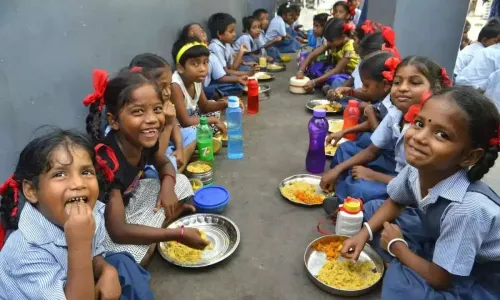
The Chief Minister's Breakfast Scheme was first launched in 2022 for students in Classes 1 to 5 across Tamil Nadu government schools, targeting early-childhood nutrition gaps and aiming to improve attendance and learning outcomes. Tamil Nadu has one of India's oldest school-meal traditions, tracing its roots to the noon-meal programme of the 1950s and 1960s, which has been expanded and refined by successive administrations over decades. The current expansion carries that tradition from primary to upper-primary classes, covering a significantly larger student cohort.
Stakeholders and Impact
The expansion directly benefits middle school students — roughly the 11 to 14 age group — enrolled in government schools across Tamil Nadu, a demographic that previously fell outside the breakfast programme's coverage. Parents of children in government schools stand to gain meaningful relief from household food expenditure during morning hours, particularly in lower-income families. The Social Welfare and Women's Rights Department, which oversees the scheme's operational logistics, will now be responsible for scaling procurement, kitchen infrastructure, and distribution networks to accommodate the additional classes.
What's Next
The key milestones to watch are the release of operational guidelines, budget allocations earmarked for the expanded scheme, and district-level rollout plans ahead of the September 17 launch date. State education and welfare officials are expected to coordinate on school-wise headcounts for Classes 6, 7, and 8 to ensure supply chains are ready before the Periyar birth anniversary deadline. Longer term, nutritional outcome indicators and school attendance data for upper-primary classes will serve as the primary benchmarks for evaluating the programme's success.
Point of View
Especially among girls and first-generation learners. The announcement emerging from a Social Welfare Department review signals an intent to govern through structured departmental audits rather than ad-hoc announcements, a governance posture worth tracking. Whether the September 17 deadline is met with full district-level readiness will be the real test of administrative capacity behind the political symbolism.
NationPress
14 Sept 2026
Frequently Asked Questions
What is the Chief Minister's Breakfast Scheme in Tamil Nadu?
The Chief Minister's Breakfast Scheme is a Tamil Nadu government programme that provides free morning meals to students in government schools. It was launched in 2022 for Classes 1 to 5 and is now being expanded to Classes 6, 7, and 8 from September 17, 2026.
Who announced the expansion of the breakfast scheme to Classes 6-8?
Chief Minister C. Joseph Vijay announced the expansion on June 15, 2026, following a review meeting on the Social Welfare and Women's Rights Department's activities.
When will the breakfast scheme for Classes 6-8 start in Tamil Nadu?
The expanded scheme will begin on September 17, 2026, which is the birth anniversary of social reformer Thanthai Periyar.
Who was Thanthai Periyar and why is September 17 significant?
Thanthai Periyar, born E.V. Ramasamy (1879–1973), was a pioneering social reformer and founder of the Dravidian movement. September 17 is his birth anniversary and is frequently chosen by Tamil Nadu governments to mark major welfare announcements.
Which department oversees the Chief Minister's Breakfast Scheme in Tamil Nadu?
The Social Welfare and Women's Rights Department is responsible for overseeing the scheme's operations, including procurement, kitchen infrastructure, and distribution across government schools.