TN CM Vijay raises delimitation, NEET, drugs at Southern Zonal Council meet
Synopsis
At a high-stakes Southern Zonal Council meeting chaired by Home Minister Amit Shah, Tamil Nadu CM C. Joseph Vijay put three pressure points on the Centre's table: a legislative guarantee against seat loss in delimitation, a NEET exemption for Tamil Nadu, and a unified regional anti-drug mechanism — signalling that South India's political compact with Delhi is under active stress-test.
Key Takeaways
Joseph Vijay raised three demands at the 31st Southern Zonal Council meeting on 20 August in Kovalam, Chengalpattu .
He sought a firm legislative assurance that no Southern state would lose parliamentary seats in the upcoming delimitation exercise.
Vijay reiterated Tamil Nadu's demand for a NEET exemption , citing social justice concerns for rural and government-school students.
He called for a common regional anti-drug mechanism covering police, enforcement, and health departments across Southern states.
The meeting was chaired by Union Home Minister Amit Shah and attended by Karnataka CM D.K.
Shivakumar and Andhra Pradesh CM N.
Chandrababu Naidu , among others.
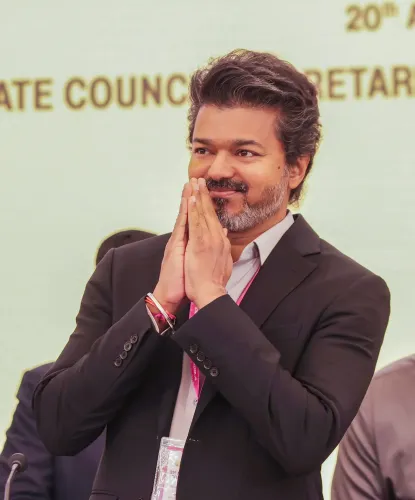
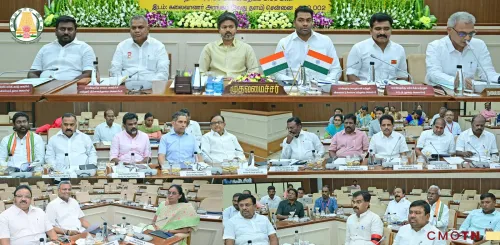
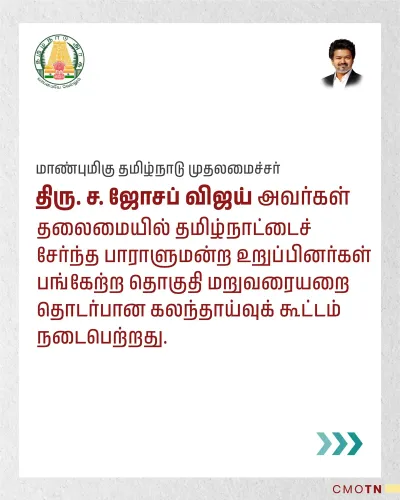
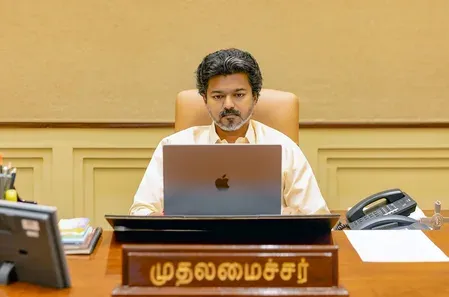
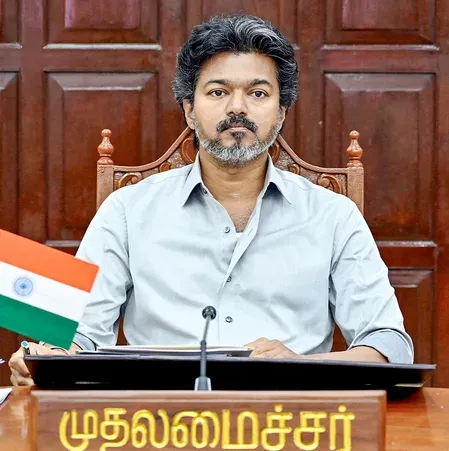
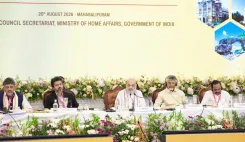
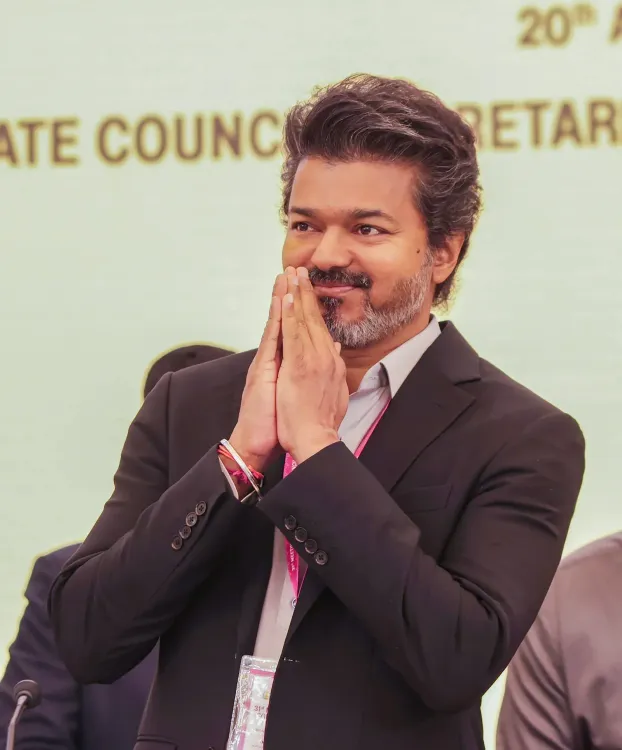
Tamil Nadu Chief Minister C. Joseph Vijay on Thursday, 20 August pressed the Union government on three fronts — parliamentary representation safeguards for Southern states, an exemption from the National Eligibility-cum-Entrance Test (NEET), and tighter interstate coordination to combat drug trafficking. Vijay raised the demands at the 31st Southern Zonal Council meeting held at Taj Fisherman's Cove, Kovalam, in Chengalpattu district, chaired by Union Home Minister Amit Shah.
Delimitation and Political Representation
On the proposed delimitation exercise, CM Vijay called for a firm legislative guarantee that no state would lose its existing share of seats in Parliament. He argued that Southern states had led the country in population stabilisation, human development, and economic growth by diligently implementing national priorities — and that these very achievements should not now cost them political weight.
'Protecting their proportional representation would uphold equity, preserve the federal balance envisaged by the Constitution and strengthen the confidence of states in democratic institutions,' Vijay said. The concern is not new: Southern states have consistently flagged that a headcount-based delimitation would shift parliamentary seats northward, penalising states that met population-control targets decades ago.
Tamil Nadu's NEET Exemption Demand
Vijay reiterated Tamil Nadu's long-standing opposition to NEET, urging the Centre to approve the state's exemption request. He said the medical admissions framework must protect social justice and ensure students from rural, government-school, and economically weaker backgrounds are not placed at a structural disadvantage. Tamil Nadu has sought a NEET exemption for several years, arguing that the centralised test undermines its state-level merit and reservation framework.
Interstate Drug Trafficking: A Regional Mechanism
Turning to narcotics, the Chief Minister called for a dedicated regional mechanism involving police, enforcement agencies, and health departments across Southern states to disrupt cross-border drug networks. He sought improved intelligence-sharing, coordinated enforcement operations, and stricter monitoring of online sales of prescription medicines and psychotropic substances.
Vijay argued that drug abuse cannot be tackled by individual states acting in isolation, as trafficking networks routinely operate across state boundaries. A common South India framework, he said, was essential to achieving a drug-free region.
Who Attended and What Else Was Discussed
The 31st Southern Zonal Council meeting was hosted by the Tamilaga Vettri Kazhagam-led Tamil Nadu government. Karnataka Chief Minister D.K. Shivakumar, Andhra Pradesh Chief Minister N. Chandrababu Naidu, and representatives from other Southern states and Union Territories participated in the deliberations. Discussions also covered infrastructure, water-sharing, and broader regional development concerns.
The Southern Zonal Council functions as a consultative forum for the Centre, Southern states, and Union Territories to address regional concerns, resolve interstate disputes, and improve administrative cooperation. With delimitation timelines approaching and NEET litigation ongoing in courts, the outcomes of Thursday's meeting are likely to shape the Centre-South political dynamic in the months ahead.
Point of View
Meanwhile, has been Tamil Nadu's most consistent Centre-state flashpoint for years — its reappearance here suggests the state sees the Zonal Council as a legitimate pressure valve, not just a ceremonial forum. What mainstream coverage underplays is the drug-trafficking ask: a formal regional mechanism, if agreed, would mark a rare instance of Southern states institutionalising cooperation outside the Centre's direct architecture — a precedent with implications well beyond narcotics enforcement.
NationPress
20 Aug 2026
Frequently Asked Questions
What did Tamil Nadu CM Vijay demand at the Southern Zonal Council meeting?
Tamil Nadu Chief Minister C. Joseph Vijay demanded a legislative guarantee protecting Southern states' parliamentary seats from reduction in the delimitation exercise, a NEET exemption for Tamil Nadu, and a regional mechanism to combat interstate drug trafficking. He raised all three issues at the 31st Southern Zonal Council meeting on 20 August in Kovalam.
Why are Southern states concerned about delimitation?
Southern states fear that a headcount-based delimitation will shift parliamentary seats to more populous northern states, penalising the South for successfully meeting national population-control targets over decades. CM Vijay argued this would be constitutionally inequitable and undermine the federal balance.
What is Tamil Nadu's position on NEET?
Tamil Nadu has consistently opposed NEET, arguing the centralised medical entrance test disadvantages students from rural, government-school, and economically weaker backgrounds. The state has sought a legislative exemption from the Centre for several years, and CM Vijay reiterated this demand at the Zonal Council meeting.
Who chaired the 31st Southern Zonal Council meeting?
Union Home Minister Amit Shah chaired the 31st Southern Zonal Council meeting, held at Taj Fisherman's Cove, Kovalam, in Chengalpattu district, Tamil Nadu. Karnataka CM D.K. Shivakumar and Andhra Pradesh CM N. Chandrababu Naidu were among the attendees.
What regional anti-drug framework did CM Vijay propose?
CM Vijay called for a common regional mechanism involving police, enforcement agencies, and health departments across Southern states to tackle cross-border drug trafficking. He specifically sought improved intelligence-sharing, coordinated enforcement operations, and tighter monitoring of online sales of prescription medicines and psychotropic substances.