Tamil Nadu CM Vijay Writes to PM Modi on VB-GRAMG Scheme
Synopsis
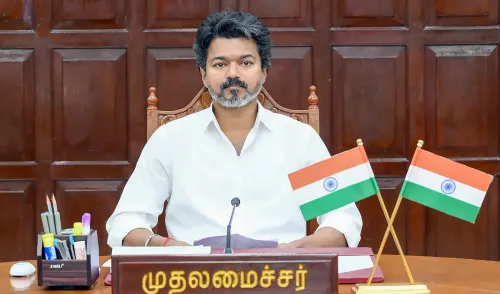
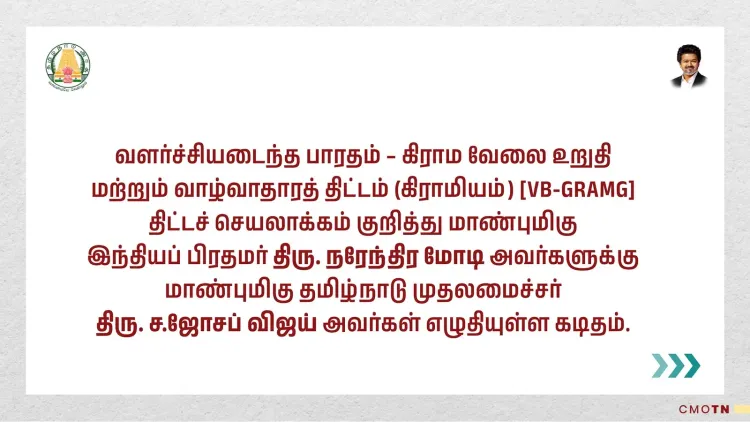
Tamil Nadu Chief Minister C. Joseph Vijay has formally written to Prime Minister Narendra Modi on the implementation of VB-GRAMG, the Viksit Bharat village employment guarantee and rural livelihoods scheme, as announced by the CMO on 1 July 2026.
Key Takeaways
Joseph Vijay wrote a formal letter to PM Narendra Modi on 1 July 2026 .
The letter concerns implementation of the VB-GRAMG (Viksit Bharat – Village Employment Guarantee and Livelihoods Scheme).
VB-GRAMG is a central scheme targeting rural households and village workers under the Viksit Bharat policy framework.
The communication was officially announced by the Chief Minister's Office of Tamil Nadu via its verified X account.
The move follows an established pattern of state-Centre correspondence on centrally sponsored rural welfare programmes.
A response from the Prime Minister's Office or the Ministry of Rural Development is now awaited.
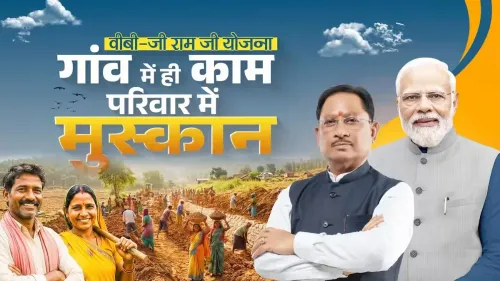
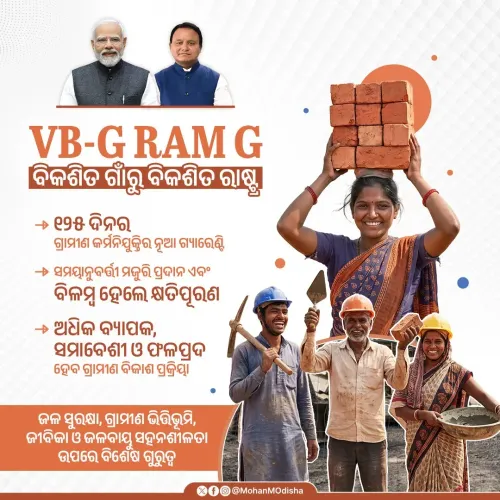
The Chief Minister's Office of Tamil Nadu announced on Wednesday, 1 July 2026 that Chief Minister C. Joseph Vijay has written a formal letter to Prime Minister Narendra Modi regarding the implementation of the Viksit Bharat – Grama Vela Urudhi Matrum Vazhvadhara Thittam (VB-GRAMG), a central scheme focused on village employment guarantee and rural livelihoods.
Context
The Tamil Nadu CMO shared the development on X, posting in Tamil that the letter concerns the implementation of the Valarchi Adaindha Bharatham – Kirama Vela Urudhi Matrum Vazhvadhara Thittam (Viksit Bharat – Village Employment Guarantee and Livelihoods Scheme), referred to officially as VB-GRAMG. The communication is addressed directly to Prime Minister Modi, signalling a formal state-level engagement with the Centre on rural welfare delivery.
Chief Minister Vijay's letter is part of a broader pattern of state governments writing to the Union government to flag implementation concerns, seek funds, or request modifications to centrally sponsored schemes. Such correspondence is a routine but significant instrument of Indian federalism.
Policy Backdrop
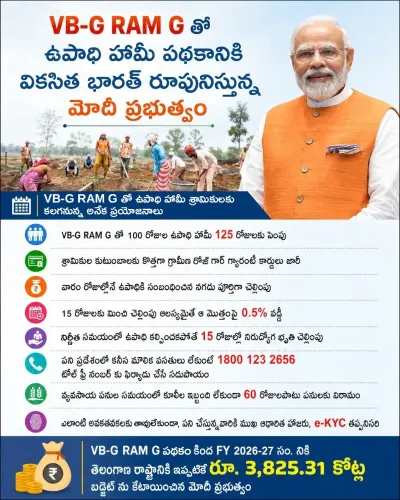
The VB-GRAMG scheme sits within the long lineage of rural employment and livelihood programmes in India. The foundational framework for guaranteed rural employment was established by MGNREGA in 2005, which mandated at least 100 days of guaranteed wage employment per year for rural households. VB-GRAMG appears to build on this architecture under the broader Viksit Bharat (Developed India) policy umbrella championed by the Modi government.
Tamil Nadu has historically been an active implementer of central rural development programmes, often adapting them to state-specific conditions. The state's engagement with such schemes carries weight given its large rural workforce and its track record in social welfare delivery.
Stakeholders and Impact
The primary beneficiaries of VB-GRAMG are rural households and village workers across Tamil Nadu who depend on government-backed employment guarantees and livelihood support for income stability. Any delays or gaps in scheme implementation directly affect wages, work availability, and access to allied livelihood resources for this population.
The letter from CM Vijay to PM Modi underscores the state government's active monitoring of scheme roll-out and its willingness to escalate concerns to the highest level of the Union executive. For rural communities, timely central response — whether in the form of fund releases, revised guidelines, or administrative clarifications — can determine the on-ground effectiveness of the programme.
What's Next
Attention will now turn to the Prime Minister's Office and the Union Ministry of Rural Development for an official response to Tamil Nadu's communication. Any directives on VB-GRAMG fund disbursement or implementation guidelines that follow this letter will be closely watched by other state governments running similar programmes.
The exchange sets the stage for a broader federal conversation on how Viksit Bharat-linked rural schemes are being executed at the ground level — and whether the Centre will adjust its approach in response to state feedback.
Point of View
But it also reflects a broader national pattern where Viksit Bharat-linked programmes are being stress-tested at the state level. For a relatively new Chief Minister, the letter is also a visible act of political accountability — demonstrating to Tamil Nadu's rural electorate that the government is actively pursuing their interests in Delhi. How swiftly the PMO responds will be a signal of the Centre's responsiveness to state feedback on its flagship rural agenda.
NationPress
1 Oct 2026
Frequently Asked Questions
What is the VB-GRAMG scheme in Tamil Nadu?
VB-GRAMG stands for Viksit Bharat – Grama Vela Urudhi Matrum Vazhvadhara Thittam, a central scheme focused on village employment guarantee and rural livelihoods, implemented as part of the Viksit Bharat (Developed India) policy framework.
Why did Tamil Nadu CM write to PM Modi about VB-GRAMG?
Tamil Nadu Chief Minister C. Joseph Vijay wrote to Prime Minister Narendra Modi to formally communicate the state's position on the implementation of the VB-GRAMG scheme, a routine but significant step in state-Centre coordination on centrally sponsored programmes.
Who is the Chief Minister of Tamil Nadu in 2026?
According to the official Chief Minister's Office of Tamil Nadu's post on 1 July 2026, the Chief Minister is C. Joseph Vijay.
What is the Viksit Bharat rural employment scheme?
The Viksit Bharat rural employment initiative, of which VB-GRAMG is a component, aims to provide employment guarantees and livelihood support to rural households, building on the framework established by MGNREGA in 2005.
What happens after a state CM writes to the PM about a central scheme?
Typically, the Prime Minister's Office routes such letters to the relevant Union ministry — in this case, the Ministry of Rural Development — which then responds with clarifications, fund-release updates, or revised implementation guidelines.