Tamil Nadu drinking water crisis: 59 of 90 dams dry, 13 districts hit
Synopsis
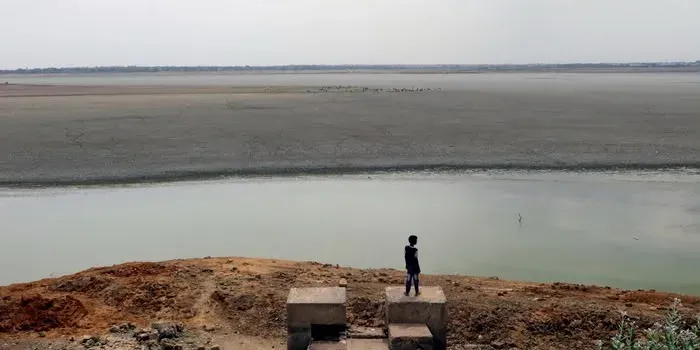
Tamil Nadu's water crisis has crossed a critical threshold — 59 of 90 major dams are now completely dry, 13 districts are on rationed supply, and the TWAD Board stands accused of failing to act on repeated warnings. With the southwest monsoon still underperforming, the state's drinking water lifeline is under unprecedented strain.
Key Takeaways
59 of Tamil Nadu's 90 major dams have dried up completely as of 27 July , with 16 more holding only 25–50% capacity.
3,489 irrigation tanks are fully dry; another 6,158 are nearing depletion.
Thirteen districts — including Madurai, Tirunelveli, Tiruchi , and Virudhunagar — are facing acute drinking water shortages.
Water supply in the worst-hit areas has been cut from once a week to once every ten days .
The TWAD Board faces allegations of failing to implement alternative water-sourcing plans despite advance warnings.
Groundwater depletion in Tiruvallur and Kancheepuram threatens Chennai's primary drinking water supply.
Tamil Nadu is grappling with a severe drinking water crisis as the prolonged failure of the southwest monsoon has left reservoirs, lakes, and groundwater sources critically depleted across large swathes of the state. According to official data released on 27 July, 59 of the state's 90 major dams have dried up completely, with the situation showing no immediate sign of relief.
Scale of the Reservoir Crisis
The Water Resources Department, which oversees 90 major dams and more than 14,000 irrigation tanks across Tamil Nadu, has reported an alarming drop in available storage. Of the remaining 31 dams still holding water, 16 retain only between 25% and 50% of their capacity. The situation in irrigation tanks is equally dire — 3,489 tanks have dried up entirely, while another 6,158 are nearing depletion.
Districts Facing Acute Shortages
Thirteen districts are bearing the worst of the crisis: Virudhunagar, Tiruvannamalai, Tirunelveli, Tiruchi, Thoothukudi, Thanjavur, Namakkal, Perambalur, Madurai, Sivaganga, Dharmapuri, Cuddalore, and Dindigul. In several of these areas, drinking water that was previously supplied once every week is now being distributed only once every ten days, pushing residents to rely on private water tankers and other makeshift sources.
Concerns are also mounting over groundwater depletion in Tiruvallur and Kancheepuram districts — two of the primary sources of drinking water for Chennai.
TWAD Board Under Fire
The Tamil Nadu Water Supply and Drainage (TWAD) Board, which operates combined drinking water supply schemes drawing from rivers, reservoirs, and lakes, has come under sharp criticism. Officials and residents allege that many borewells installed by the Board are no longer yielding adequate water, with pumps being run for extended periods to extract diminishing quantities — driving up electricity consumption without improving supply.
Allegations have surfaced that the Board has yet to implement effective alternative water-sourcing plans despite repeated warnings from the Water Resources Department about the worsening situation. Critics argue this administrative gap has compounded what is already a natural disaster.
Regional Context
The crisis is not confined to Tamil Nadu alone. Neighbouring southern states have also recorded below-normal rainfall this monsoon season, sharply reducing inflows into shared river systems and reservoirs. This comes amid a broader pattern of erratic monsoon behaviour that has affected peninsular India in recent years, raising questions about long-term water security planning in rain-dependent states.
What Happens Next
With the monsoon still underperforming and no significant relief forecast in the near term, officials warn the crisis could intensify further. Water bodies under the Municipal Administration Department and the Rural Development Department have also witnessed significant depletion, narrowing the state's options. All eyes are now on rainfall patterns over the coming weeks and whether the TWAD Board will move swiftly to activate emergency water-sourcing measures.
Point of View
Not just a monsoon failure. Tamil Nadu has invested heavily in desalination and inter-basin transfers in the past, yet the absence of a scalable emergency protocol for monsoon-deficient years exposes a structural gap. With Chennai's own groundwater buffer in Tiruvallur and Kancheepuram under stress, the question is no longer whether the state was caught off guard — it is why it keeps being caught off guard.
NationPress
27 Jul 2026
Frequently Asked Questions
How severe is Tamil Nadu's drinking water crisis right now?
As of 27 July, 59 of Tamil Nadu's 90 major dams have dried up completely, and over 3,489 irrigation tanks are fully depleted. Thirteen districts are facing acute shortages, with drinking water supply reduced to once every ten days in the worst-affected areas.
Which districts in Tamil Nadu are worst affected by the water shortage?
The thirteen most severely affected districts are Virudhunagar, Tiruvannamalai, Tirunelveli, Tiruchi, Thoothukudi, Thanjavur, Namakkal, Perambalur, Madurai, Sivaganga, Dharmapuri, Cuddalore, and Dindigul. Residents in many of these areas have been forced to depend on private water tankers.
Why has the water crisis worsened in Tamil Nadu?
The primary cause is the prolonged failure of the southwest monsoon, which has drastically reduced inflows into reservoirs and depleted groundwater levels. The crisis has been compounded by allegations that the TWAD Board failed to implement alternative water-sourcing plans despite repeated warnings from the Water Resources Department.
Is Chennai's water supply also at risk?
Yes. Officials have flagged deteriorating groundwater levels in Tiruvallur and Kancheepuram districts, which serve as principal sources of drinking water for Chennai. Continued depletion in these areas could directly impact the city's supply.
What is the TWAD Board and what role does it play?
The Tamil Nadu Water Supply and Drainage (TWAD) Board operates combined drinking water supply schemes that draw from rivers, reservoirs, and lakes to serve urban and rural areas across the state. It is the primary agency responsible for ensuring uninterrupted drinking water supply, and is currently under criticism for not activating adequate emergency measures.