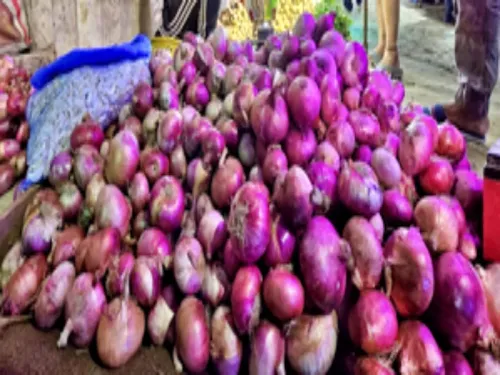
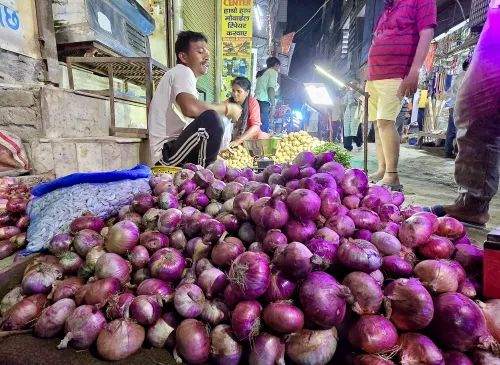
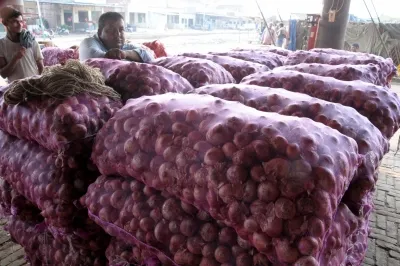
Tamil Nadu to sell onions at ₹30–₹40/kg via ration shops amid price surge
Synopsis
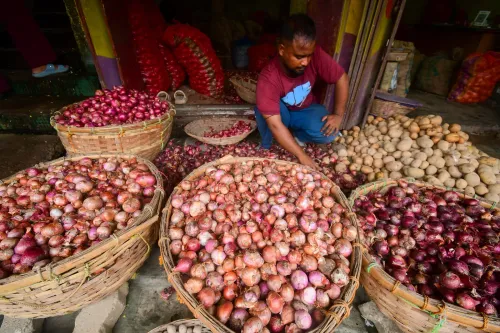
Onion prices in Tamil Nadu have nearly doubled in under a month — large onions now at ₹60/kg, shallots at ₹70/kg. The state's cooperative sector is stepping in, seeking 70,000 kg from NAFED to sell through ration shops at ₹30–₹40/kg. It is a familiar intervention, but the scale of the spike and its timing amid broader vegetable inflation make it more consequential than usual.
Key Takeaways
Large onion prices in Tamil Nadu have risen from ₹30/kg to nearly ₹60/kg within a month.
Small onions (shallots) have climbed from ₹40–₹50/kg to nearly ₹70/kg in the same period.
The state's cooperative sector has sought 70,000 kg of onions from NAFED for subsidised distribution.
Onions will be sold through ration shops at ₹30–₹40 per kg , offering relief of up to ₹30/kg vs market rates.
Details on outlet coverage, purchase limits, and sale start date will be announced after supplies reach the state.
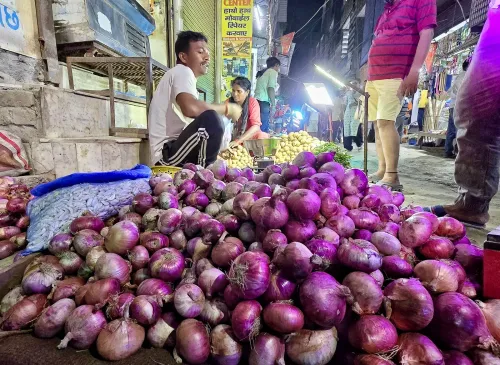
The Tamil Nadu cooperative sector is set to sell onions at subsidised prices through ration shops across the state, after retail rates nearly doubled over the past few weeks, squeezing household budgets. The intervention comes as large onions hit ₹60 per kg in many retail markets — up from around ₹30 per kg at the end of last month.
How Sharp the Price Rise Has Been
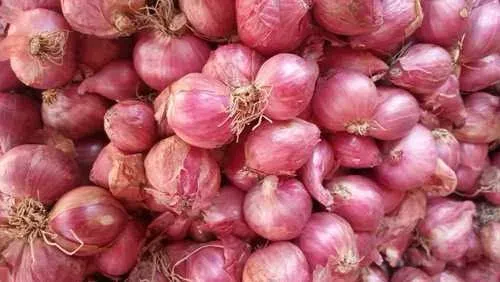
The spike has not been limited to large onions. Small onions, or shallots — a staple in Tamil cuisine — have climbed from ₹40–₹50 per kg last month to nearly ₹70 per kg, a rise of up to 75% in under four weeks. The surge compounds pressure on consumers already dealing with elevated prices across several essential vegetables.
What the Government Plans to Do
The state's cooperative sector has decided to procure onions in bulk and channel them through the public distribution system (PDS) at prices well below prevailing market levels. Tamil Nadu has formally approached the National Agricultural Cooperative Marketing Federation of India (NAFED), seeking an allocation of 70,000 kg of onions.
The move aligns with the Union government's broader push to make onions available at affordable prices through retail channels. Once the consignment is received from the central agency, supplies will be distributed to ration shops statewide, with prices expected to be set between ₹30 and ₹40 per kg — offering consumers relief of up to ₹30 per kg compared to open-market rates.
Rollout Details Still Being Finalised
Officials said the first consignment will serve as a demand-assessment exercise before further quantities are sought from NAFED. Specific details — including the number of ration outlets covered, per-cardholder purchase limits, and the exact start date for sales — are expected to be announced once supplies arrive in the state.
Authorities have indicated they will monitor onion prices and availability in both wholesale and retail markets as the subsidised sales programme is rolled out.
A Familiar Playbook for Price Relief
This is not the first time Tamil Nadu has deployed cooperative outlets and ration shops to cushion consumers from commodity price shocks. The mechanism has been used repeatedly during supply shortages and seasonal price fluctuations affecting essentials such as tomatoes, pulses, and cooking oil. Notably, onion prices are notoriously volatile across India, and central intervention through NAFED buffers has been a recurring tool for state governments during peak price cycles.
The proposed subsale is intended to provide immediate relief to families and arrest the momentum of the current price surge before it deepens further.
Point of View
And for good reason. But the fact that the state must seek 70,000 kg from a central buffer agency to stabilise prices points to a structural gap: India still lacks a responsive, state-level onion reserve that can be activated without a central queue. The relief, when it arrives, will be real but likely brief — open-market prices rarely wait for PDS logistics. The bigger question is whether this cycle of spike-and-subsidise will prompt any durable supply-chain investment, or simply repeat itself next season.
NationPress
30 Aug 2026
Frequently Asked Questions
Why are onion prices rising in Tamil Nadu?
Onion retail prices in Tamil Nadu have nearly doubled over the past few weeks due to supply tightness, with large onions rising from around ₹30/kg to nearly ₹60/kg and shallots climbing to ₹70/kg. The surge is part of a broader spike in essential vegetable prices affecting household budgets across the state.
What is the Tamil Nadu government doing to control onion prices?
The state's cooperative sector is procuring onions in bulk through NAFED and plans to sell them via ration shops at ₹30–₹40 per kg — well below prevailing market rates. An initial allocation of 70,000 kg has been sought from the central agency.
When will subsidised onions be available at ration shops?
An exact date has not yet been announced. Officials have said details on the sale start date, number of outlets covered, and per-cardholder purchase limits will be confirmed once the first consignment from NAFED reaches Tamil Nadu.
Who is eligible to buy subsidised onions through ration shops?
Subsidised onions will be distributed through the public distribution system (PDS) in Tamil Nadu, making them accessible to ration cardholders. Specific purchase limits per cardholder are yet to be announced by the authorities.
Has Tamil Nadu used this approach before?
Yes. Tamil Nadu has previously used cooperative outlets and ration shops to sell essential commodities at controlled prices during supply shortages or seasonal price spikes affecting items such as tomatoes, pulses, and cooking oil. Onion price intervention through NAFED is also a recurring tool used by several state governments across India.