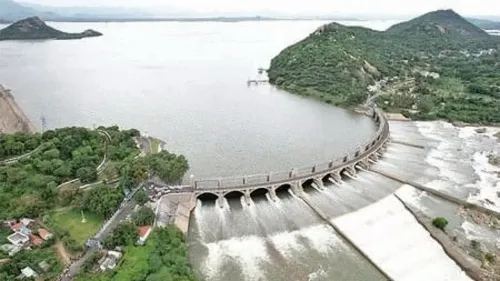
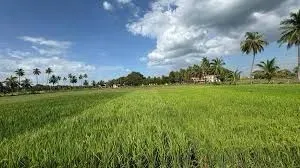
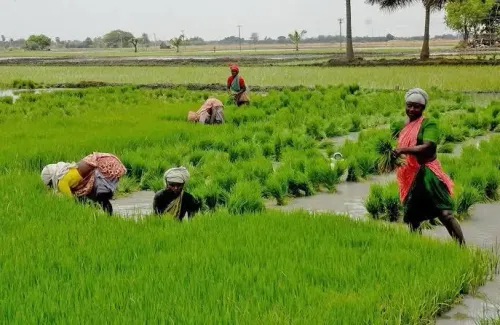
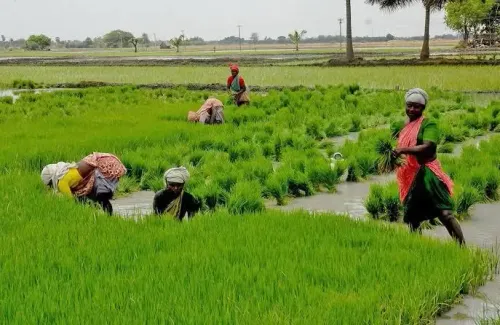
Tamil Nadu kharif paddy acreage falls 28% as Mettur Dam delay hits Cauvery belt
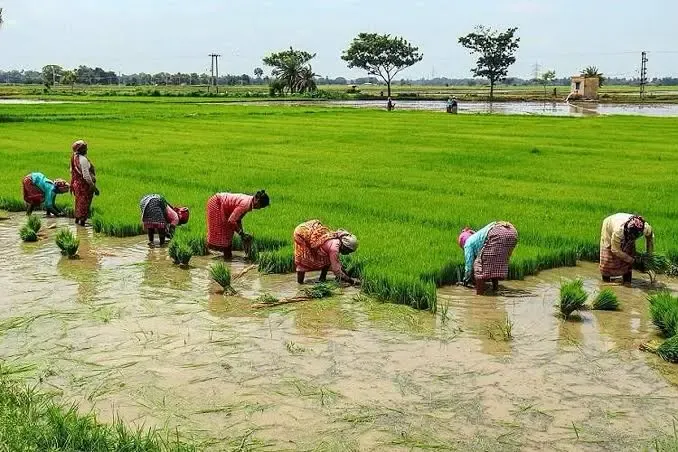
Synopsis
Tamil Nadu's kharif paddy cultivation has crashed 28% — a loss of nearly 5 lakh hectares — after Mettur Dam opened late and Cauvery inflows fell short. With ₹300 crore worth of fertiliser sitting unsold in cooperatives and a 125 lakh metric tonne annual target still in place, everything now rides on a normal northeast monsoon and a strong Samba season over the next 45 days.
Key Takeaways
Tamil Nadu kharif paddy acreage fell 28% to 12.52 lakh hectares in April–September 2026 , down from 17.5 lakh hectares in 2025-26.
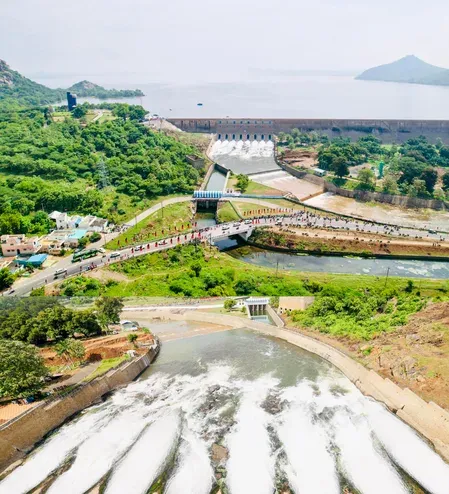
Delayed opening of Mettur Dam and reduced Cauvery inflows are the principal causes.
Kuruvai cultivation dropped from 5.05 lakh hectares to 3.91 lakh hectares statewide.
The state's 2026-27 foodgrain target remains 125 lakh metric tonnes , with rabi season the key to bridging the gap.
Fertilisers and seeds worth ₹300 crore have accumulated unsold across 4,400 cooperative credit societies.
Cooperative credit societies are now selling subsidised fertilisers to non-members to clear stocks and stimulate rabi sowing.
Tamil Nadu's kharif paddy cultivation plummeted by 28 per cent in 2026-27, with sown area contracting to 12.52 lakh hectares during April–September from 17.5 lakh hectares in the previous year — a loss of 4.98 lakh hectares. A delayed opening of Mettur Dam and below-normal Cauvery inflows have been identified as the primary drivers of the shortfall, forcing the state's agriculture department to pin its annual foodgrain hopes on the rabi season.
Scale of the Decline
The 4.98 lakh hectare drop in kharif acreage is among the steepest single-season contractions in recent memory for Tamil Nadu. Kuruvai cultivation — the early transplanted paddy crop heavily dependent on Cauvery releases — was especially hard hit. Statewide kuruvai acreage fell from 5.05 lakh hectares last year to 3.91 lakh hectares, a loss of 1.14 lakh hectares. In the critical delta districts, cultivated area slid from 2.55 lakh hectares to 1.85 lakh hectares.
The ripple effects have reached agricultural supply chains. Fertilisers and seeds worth ₹300 crore have piled up unsold across the state's 4,400 primary agricultural cooperative credit societies as farmer demand weakened in step with reduced sowing activity.
Rabi Season as the State's Recovery Bet
The agriculture department has kept the state's 2026-27 foodgrain production target unchanged at 125 lakh metric tonnes, with paddy alone expected to contribute 79 lakh metric tonnes. Meeting that target now depends almost entirely on a strong October–March rabi cycle, for which the cultivation target stands at 30.26 lakh hectares.
A forecast of normal rainfall for the rabi season has bolstered official optimism. Samba cultivation — the dominant rabi paddy variety in Tamil Nadu — has begun gaining momentum, and the department has flagged the next 45 days as critical for the season's trajectory. Officials have maintained that the kharif shortfall does not signal an impending foodgrain crisis.
For context, Tamil Nadu produced 122.43 lakh metric tonnes of foodgrains in 2025-26 against a target of 130.23 lakh metric tonnes, already missing the annual goal. The state is therefore entering rabi with consecutive years of underperformance as backdrop.
Adaptation Measures: Direct Sowing and Cooperative Access
Districts across Tamil Nadu have received crop contingency plans tailored to water-scarce conditions. Farmers are being encouraged to adopt direct seeding of rice (DSR) instead of traditional transplantation. The method consumes less water and also lowers the risk of crop damage during northeast monsoon rain events, making it especially relevant for the current season.
On the supply side, the cooperative marketing federation has widened access to subsidised fertilisers, allowing farmers outside cooperative society membership to purchase inputs for the first time. Previously, subsidised fertilisers were restricted to society members who held active crop loans — a condition that excluded a significant share of cultivators. The move is intended both to clear the ₹300 crore backlog and to stimulate rabi sowing.
Cooperative Credit Under Strain
The cooperation department has placed crop loan recovery on hold as cooperative banks report sharply lower disbursements. The lending slowdown directly mirrors the fall in cultivation — fewer farmers sowing means fewer crop loans drawn — and officials say recovery drives will resume once rabi activity picks up. The department continues to rely on a robust rabi outcome to restore normalcy to cooperative agricultural finance across the state.
With the northeast monsoon season now under way and Samba sowing accelerating, the coming weeks will determine whether Tamil Nadu can close its foodgrain gap or face a second consecutive year of production shortfall.
Point of View
The entire input-finance chain seizes. What is largely missing from official framing is accountability for Mettur Dam release timings, which remain hostage to inter-state water disputes. Pinning recovery on normal rabi rainfall is a reasonable forecast, but it is not a policy — and Tamil Nadu's second consecutive miss against its foodgrain target would warrant a more structural conversation about crop diversification and irrigation resilience in the Cauvery delta.
NationPress
12 Oct 2026
Frequently Asked Questions
Why did Tamil Nadu's kharif paddy acreage fall so sharply in 2026-27?
Tamil Nadu's kharif paddy acreage fell 28% to 12.52 lakh hectares in 2026-27, primarily because Mettur Dam opened later than usual and Cauvery inflows were below normal. These water shortages directly curtailed sowing, especially for the kuruvai crop in delta districts.
What is Tamil Nadu's foodgrain production target for 2026-27 and can it still be met?
The state has set a foodgrain production target of 125 lakh metric tonnes for 2026-27, with paddy expected to contribute 79 lakh metric tonnes. Officials say the target can still be met if the rabi season — covering October to March — achieves its cultivation target of 30.26 lakh hectares, supported by forecast normal northeast monsoon rainfall.
What is the significance of the next 45 days for Tamil Nadu agriculture?
The agriculture department considers the next 45 days critical because Samba paddy sowing — the main rabi crop — is currently under way. The pace and extent of Samba cultivation in this window will largely determine whether the state can compensate for the kharif shortfall and approach its annual production target.
Why has ₹300 crore worth of fertiliser accumulated unsold in Tamil Nadu cooperatives?
The sharp fall in kharif cultivation reduced farmer demand for inputs, leaving fertilisers and seeds worth ₹300 crore stockpiled across 4,400 primary agricultural cooperative credit societies. To clear these stocks and stimulate rabi sowing, the cooperative marketing federation has extended subsidised fertiliser access to farmers outside cooperative membership for the first time.
How does the 2026-27 kharif shortfall compare with Tamil Nadu's recent agricultural performance?
Tamil Nadu already missed its 2025-26 foodgrain target, producing 122.43 lakh metric tonnes against a goal of 130.23 lakh metric tonnes. The 2026-27 kharif contraction means the state enters the rabi season carrying two consecutive years of production shortfall, raising the stakes for a strong October–March harvest.