How Are Traditional Arts Empowering Society and Driving Economic Progress?
Synopsis
Prime Minister Modi highlights the empowering impact of India's traditional arts on society and economic development during his 'Mann Ki Baat' program. By sharing inspiring stories from Andhra Pradesh and Manipur, he underscores the crucial role of women-led initiatives in preserving culture and creating job opportunities.
Key Takeaways
India's traditional arts are crucial for societal empowerment.
Women-led initiatives drive economic progress.
The Narasapuram lace has been recognized with a GI Tag.
Success stories from Andhra Pradesh and Manipur inspire community engagement.
Festivals like Rann Utsav celebrate India's cultural diversity.
New Delhi, Dec 28 (NationPress) Prime Minister Narendra Modi emphasized on Sunday that India's traditional arts are empowering society and serve as a significant vehicle for economic development. He cited inspiring instances from Andhra Pradesh and Manipur, particularly focusing on the impact of women-led initiatives.
During the 129th episode of his radio program 'Mann Ki Baat', the Prime Minister expressed his desire to share narratives of individuals, especially women, who are at the forefront of promoting culture and art while creating job opportunities through these endeavors.
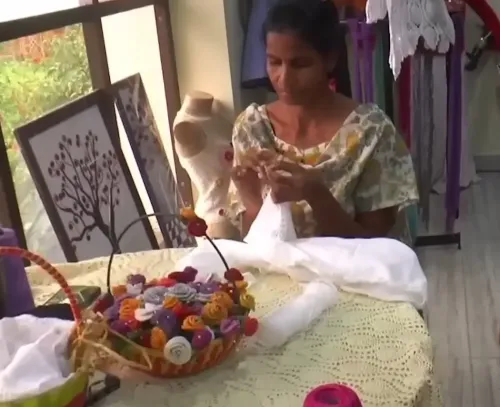
"Our traditional arts are empowering society and becoming a significant vehicle for economic progress. The lace craft from Narasapuram district in Andhra Pradesh is gaining nationwide recognition. This lace craft has been nurtured by women for generations, who have preserved it with great dedication and precision," said PM Modi.
He further noted that this tradition is evolving, with the government of Andhra Pradesh and NABARD collaboratively offering modern design training, enhancing skills, and linking artisans to new markets.
"The Narasapuram Lace has also been awarded the GI Tag. Currently, over 500 products are being crafted from it, providing employment to approximately one lakh women across more than 250 villages," he added.
PM Modi remarked that Mann Ki Baat serves as a platform to showcase individuals who, through their dedication, are not only promoting traditional arts but also empowering local communities.
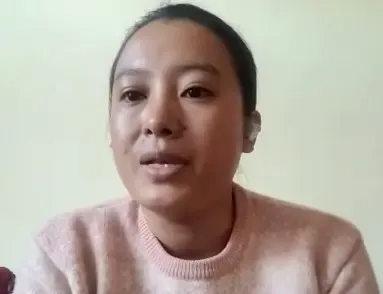
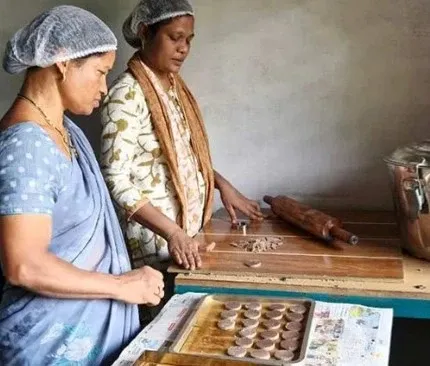
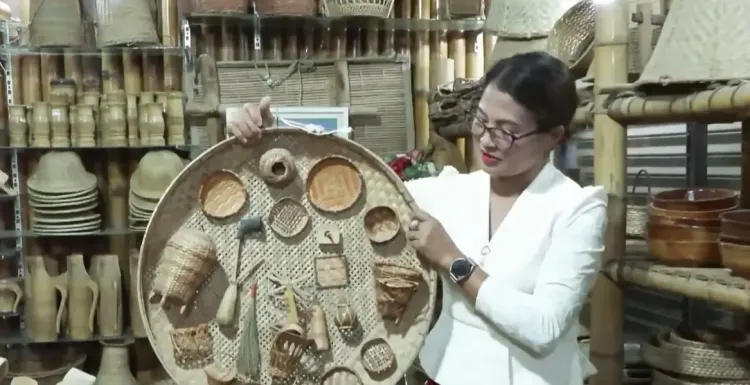
He highlighted the efforts of Margaret Ramtharsiem from Churachandpur, Manipur, who recognized the potential of Manipur's traditional handicrafts, wooden, and bamboo items. This vision transformed her from a handicraft artist into a catalyst for change, employing over 50 artists and establishing a market for her products across various states, including Delhi.
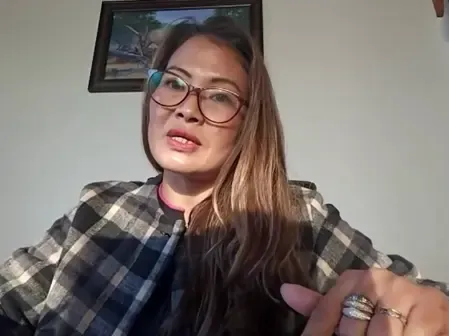
Additionally, he mentioned Chokhone Krichena from Senapati district, Manipur, whose family has been rooted in traditional farming. She expanded this experience by venturing into floriculture, connecting her work to various markets, and empowering local communities. This illustrates that when traditional knowledge is paired with a modern vision, it can significantly contribute to economic advancement. He encouraged the audience to share similar success stories.
Shifting gears to the nation’s festivals, PM Modi pointed out that India is unique as a festive atmosphere prevails year-round in various regions. He acknowledged the significance of both major and local festivals, creating opportunities for cultural celebrations.
He specifically mentioned the ongoing festival season in the Rann of Kutch. "This year, the Kutch Ranotsav commenced on November 23 and will continue until February 20 next year," he noted.
"The vibrant folk culture, music, dance, and handicrafts of Kutch are on full display. Experiencing the breathtaking White Rann under the moonlight is a magical sight. The Rann Utsav's Tent City is widely popular," he added.
He shared that over two lakh attendees participated in the Rannotsav in the past month, with visitors from across the nation and abroad. "Whenever you have the chance, immerse yourself in such festivals and appreciate India's diversity," the Prime Minister concluded.
Point of View
The emphasis on traditional arts showcases India's rich cultural heritage while simultaneously addressing economic empowerment. Initiatives led by women underline the importance of gender inclusion in economic progress. Such stories foster a sense of pride and community engagement, reinforcing the narrative that tradition and modernity can coexist beneficially.
NationPress
13 Oct 2026
Frequently Asked Questions
What is the significance of traditional arts in India?
Traditional arts in India play a vital role in preserving cultural heritage, fostering community identity, and driving economic growth through job creation.
How are women contributing to traditional arts?
Women are at the forefront of promoting traditional arts, often leading initiatives that empower communities and create sustainable livelihoods.
What is the 'Mann Ki Baat' program?
'Mann Ki Baat' is a monthly radio program hosted by Prime Minister Modi, where he shares inspiring stories and discusses various topics of national importance.
How does the government support traditional artisans?
The government, along with organizations like NABARD, provides training, design assistance, and market access to traditional artisans, helping them modernize their crafts.
What are the economic impacts of traditional arts?
Traditional arts contribute significantly to the economy by generating employment, promoting tourism, and enhancing export potential.