Eri Silk Development Hub in Assam's Nalbari reaches 3,510 women artisans
Synopsis
Assam's Eri Silk Development Hub in Nalbari's Chengnoi has moved the needle fast — 3,510 women reached, yarn output up 2.5 times, and household participation jumping from 2 to nearly 30. With solar-powered looms and formal Pehchan Card enrolment, this isn't just a craft revival; it's a structured attempt to plug peace silk into modern commercial markets.
Key Takeaways
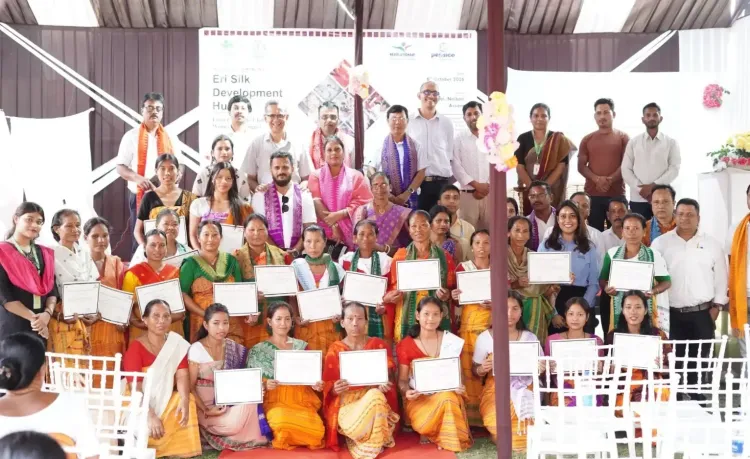
The Eri Silk Development Hub was inaugurated at Chengnoi, Nalbari district on 15 October 2026 .
The hub has reached more than 3,510 women through awareness and community mobilisation programmes.
Over 100 women trained across 5 livelihood trades ; 30 specifically in the Eri silk value chain.
Yarn output has increased by 2.5 times , supported by 10 solar-powered spinning machines and 2 looms .
Household participation in the value chain has grown from 2 to around 25–30 households .
25 households enrolled in formal handloom systems via Pehchan Cards and Yarn Passbooks .
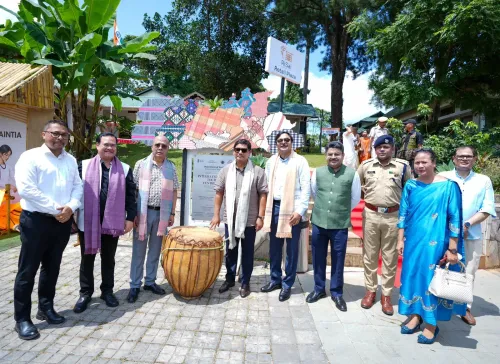
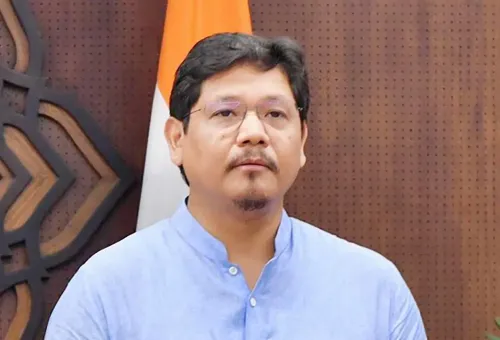
Assam's traditional Eri silk industry has received a significant push with the inauguration of an Eri Silk Development Hub at Chengnoi in Nalbari district, aimed at preserving the state's handloom heritage while expanding livelihood opportunities for rural women. State Minister Jayanta Mallabaruah announced the initiative on Thursday, 15 October 2026, stating that the hub would strengthen the traditional silk value chain through skill development, modern technology, product diversification, and improved market access for local artisans.
Scale of Outreach and Training
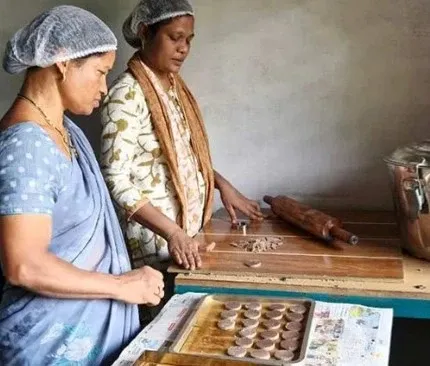
According to Minister Mallabaruah, the hub has already reached more than 3,510 women through awareness campaigns and community mobilisation programmes. Over 100 women have received training across five livelihood trades, including 30 women trained specifically in different stages of the Eri silk value chain.
Participation in Eri silk production has expanded substantially — around 25 to 30 households are now connected to the value chain, compared with just two households previously. The hub has also installed 10 solar-powered spinning machines and two looms to improve production capacity, and the intervention has helped increase yarn output by 2.5 times, the minister said.
Commercial Pathways for Artisans
Beyond production improvements, the initiative is seeking to create commercially viable opportunities for artisans. Three product lines have been developed to explore wider commercial markets, while 25 households have been enrolled in formal handloom systems through Pehchan Cards and Yarn Passbooks.
These measures are expected to help artisans improve production practices, access organised handloom support systems, and establish stronger market connections. The use of solar-powered machinery is also expected to support more efficient production while improving the operational capacity of participating households.
Cultural Significance of Eri Silk
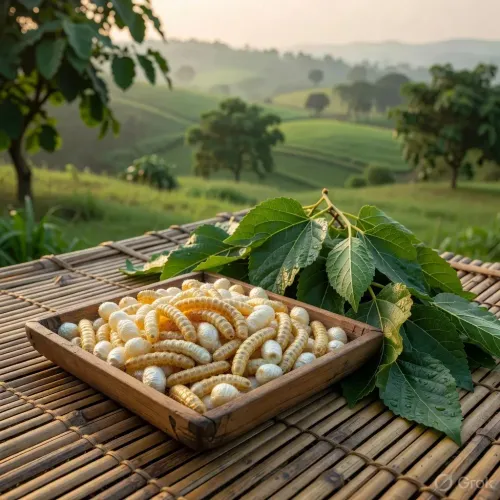
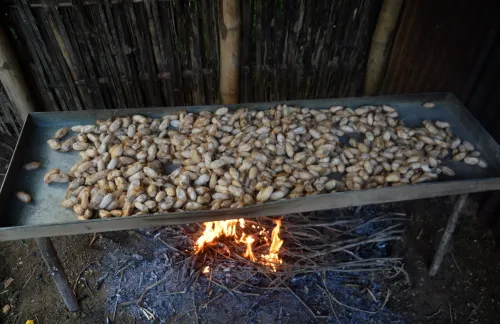
Eri silk — also known as peace silk — occupies a distinctive place in Assam's traditional textile heritage. The craft has deep cultural roots in Nalbari district, including among members of the Bodo community, and has traditionally served as a source of supplementary income for rural households.
The development hub seeks to combine this inherited knowledge with improved techniques and product development to enhance the economic potential of the sector. By strengthening the entire value chain — from spinning and weaving to product development and market access — the initiative aims to help women artisans participate more effectively in local enterprise.
Broader Economic Context in Nalbari
This initiative comes alongside growing industrial attention to Nalbari, which has also attracted an announcement of an ₹800 crore food manufacturing project in the district. Together, the developments reflect efforts to promote economic opportunities through both industrial investment and community-based livelihood programmes.
Mallabaruah said, 'As Nalbari pursues industrial development alongside efforts to strengthen traditional livelihoods, the focus is on ensuring that economic growth also benefits local communities. Expanding opportunities for women artisans while preserving Assam's cultural heritage could help create a more inclusive and sustainable rural economy.'
As the handloom and handicraft sector continues to face challenges in production efficiency and market access, the Chengnoi hub is being watched as a model for linking traditional craft skills with technology and structured commercial support.
Point of View
Formal enrolment, and product diversification together address the three structural failures that have historically kept traditional handloom artisans at subsistence level. What's notable is the jump from 2 to nearly 30 households in the value chain, which suggests the model is gaining traction beyond the initial demonstration group. The real test will be whether the three commercial product lines find durable market demand or remain dependent on government-facilitated exhibitions. Assam's handloom sector has seen many well-intentioned schemes that stalled at pilot stage; mainstreaming Eri silk commercially — especially alongside the ₹800 crore food manufacturing push in the same district — would require sustained follow-through beyond the inauguration phase.
NationPress
15 Oct 2026
Frequently Asked Questions
What is the Eri Silk Development Hub in Assam?
The Eri Silk Development Hub is an initiative inaugurated at Chengnoi in Nalbari district, Assam, on 15 October 2026, aimed at strengthening the traditional Eri silk value chain and expanding livelihood opportunities for rural women. It combines skill training, solar-powered machinery, product development, and formal market access support.
How many women has the Eri Silk Development Hub in Nalbari reached so far?
The hub has reached more than 3,510 women through awareness and community mobilisation programmes. Of these, over 100 women have received training across five livelihood trades, including 30 trained specifically in stages of the Eri silk value chain.
What is Eri silk, and why is it significant in Assam?
Eri silk, also known as peace silk, is a traditional textile with deep cultural roots in Assam, particularly in Nalbari district and among the Bodo community. It has long been a source of supplementary income for rural households and is considered an important part of Assam's handloom heritage.
What technology has been installed at the Chengnoi hub?
The hub has installed 10 solar-powered spinning machines and two looms to improve production capacity and efficiency. These installations have contributed to a 2.5-times increase in yarn output, according to state Minister Jayanta Mallabaruah.
How does the Eri Silk Hub fit into Nalbari's broader economic development plans?
The hub is one of several development initiatives in Nalbari, which has also attracted an ₹800 crore food manufacturing project. Together, they reflect a dual approach — industrial investment alongside community-based livelihood programmes — aimed at ensuring economic growth reaches local communities, particularly rural women.