CM Assam Office Hails Eri Silk-Kota Doria Weave Confluence

Synopsis
The Chief Minister's Office of Assam has spotlighted a cross-state textile initiative blending Assam's Eri silk with Rajasthan's GI-tagged Kota Doria weave, aiming to preserve two distinct handloom traditions while generating new livelihood opportunities for artisans in both states.
Key Takeaways
The Chief Minister's Office of Assam announced a textile collaboration pairing Eri silk (Assam) with Kota Doria (Rajasthan) on 25 May 2026 .
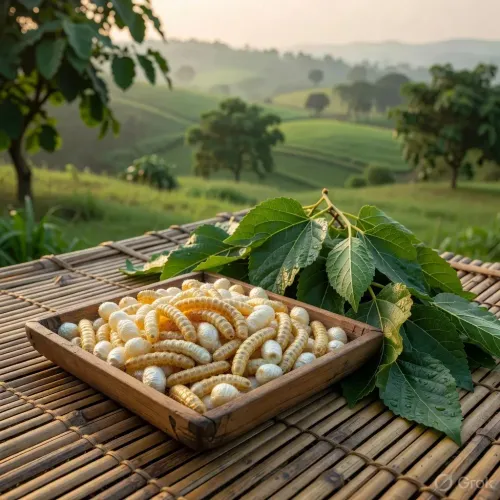
Eri silk is a cruelty-free, indigenous handloom product of Assam ; Kota Doria is a GI-tagged fine cotton-silk weave from the Kota region of Rajasthan .
The initiative is aimed at creating new economic opportunities for handloom weavers and textile artisans across both states.
Possible outcomes include co-branded Eri-Kota product lines and artisan training exchanges between the two state governments.
The collaboration fits a broader national pattern of inter-state craft partnerships designed to protect regional textile heritage and expand market access.
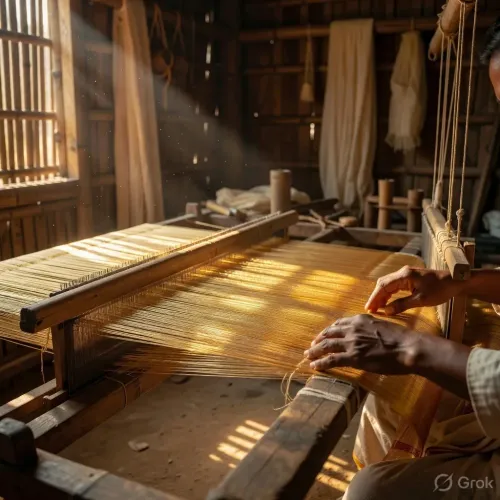
The Chief Minister's Office of Assam on Monday, 25 May 2026 highlighted a cross-state textile collaboration that brings together Eri silk from Assam and Kota Doria from Rajasthan, describing the initiative as a confluence of two timeless weaving traditions that opens fresh livelihood avenues for artisans in both states.
Context
The post describes the pairing as 'a beautiful confluence of Eri silk and Kota Doria,' underscoring its dual purpose: cultural preservation and economic opportunity. Eri silk, produced by indigenous communities across Assam, is one of the state's most distinctive handloom products, while Kota Doria — a fine, chequered cotton-silk weave — originates from the Kota region of Rajasthan and carries a Geographical Indication tag. Together, the two fabrics represent a rare east-west pairing in India's handloom landscape.
Policy Backdrop
Indian states have periodically pursued bilateral craft collaborations to combine distinct regional textile traditions and widen market access for rural weavers. Such efforts typically aim to protect GI-tagged weaves while generating supplementary income through blended product lines and joint branding exercises. The pairing of Eri silk — known for its warm, coarse texture and cruelty-free production process — with the lightweight, transparent quality of Kota Doria presents a commercially viable contrast that designers and export buyers have shown interest in. Both textiles have historically supported large clusters of rural artisans who depend on handloom weaving as a primary or supplementary source of income.
Stakeholders and Impact
The collaboration directly benefits handloom weavers and textile artisans across Assam and Rajasthan, two states whose weaving communities have faced sustained pressure from power-loom competition and shifting consumer preferences. A cross-state initiative of this kind can open access to new buyer networks: Assam's Eri weavers gain exposure to Rajasthan's established textile trade routes, while Kota Doria artisans can tap into the premium, eco-conscious segment that Eri silk commands in domestic and international markets. Broader supply-chain benefits — including shared dyeing techniques, design exchanges, and co-branded retail presence — could extend to ancillary workers such as spinners, dyers, and small traders.
What's Next
Observers will watch for the rollout of co-branded Eri-Kota textile lines or formal artisan training exchanges between the two state governments. If the collaboration is formalised through a memorandum of understanding or a joint handloom promotion scheme, it could serve as a template for similar inter-state textile partnerships elsewhere in India. The initiative also aligns with the broader national push to revive and mainstream India's GI-tagged handloom heritage while ensuring that the artisans at the centre of these traditions share meaningfully in the commercial upside.
Point of View
Nationally legible textile narrative — pairing it with one of Rajasthan's most recognised GI-tagged weaves lends the initiative both commercial credibility and cultural prestige. Inter-state textile partnerships have historically struggled to move beyond ceremonial announcements, so the durability of this collaboration will hinge on whether formal institutional mechanisms — joint training programmes, co-branded retail channels, or a shared export strategy — follow. For Assam's weaving communities, which have long sought markets beyond the Northeast, this kind of cross-regional visibility could be more consequential than direct subsidy. The initiative also reflects a quiet but growing trend of state governments using cultural diplomacy to build economic bridges across India's diverse craft geographies.
NationPress
16 Sept 2026
Frequently Asked Questions
What is the Eri silk and Kota Doria collaboration announced by the Assam CM Office?
The Chief Minister's Office of Assam has highlighted a cross-state textile initiative that combines Assam's Eri silk with Rajasthan's Kota Doria weave, aiming to blend two distinct handloom traditions and create new livelihood opportunities for artisans in both states.
What is Eri silk and where is it produced?
Eri silk is a cruelty-free, indigenous silk produced by tribal and rural communities across Assam. It is known for its warm, coarse texture and is one of the state's most distinctive handloom products.
What is Kota Doria fabric?
Kota Doria is a fine, lightweight cotton-silk weave originating from the Kota region of Rajasthan. It carries a Geographical Indication tag and is recognised for its characteristic chequered pattern and transparency.
How does the Eri silk-Kota Doria collaboration benefit artisans?
The collaboration can open new buyer networks for weavers in both states, with Assam's Eri artisans gaining access to Rajasthan's established textile trade routes and Kota Doria weavers tapping into the premium eco-conscious market that Eri silk commands.
What are inter-state textile collaborations in India?
Inter-state textile collaborations in India are partnerships between state governments to combine distinct regional handloom traditions, typically aimed at preserving GI-tagged weaves, expanding market access, and generating supplementary income for rural artisan communities.