CM Himanta Congratulates Padma Shri Dr. Jogesh Deuri
Synopsis
Chief Minister Himanta Biswa Sarma has congratulated Dr. Jogesh Deuri on receiving the Padma Shri for his lifelong work on Eri silk, spotlighting Assam's sericulture heritage and the artisan communities that sustain it.
Key Takeaways
The Chief Minister's Office of Assam announced CM Himanta Biswa Sarma's congratulations to Dr.
Jogesh Deuri on being awarded the Padma Shri .
Deuri has spent his career advancing Eri silk development and Assam's broader sericulture heritage.
Eri silk is one of three major silk varieties — alongside Muga and Pat — central to Assam's handloom economy and tribal livelihoods.
Assam has maintained state-backed sericulture extension programmes since the 1950s , linking rural artisans to national platforms.
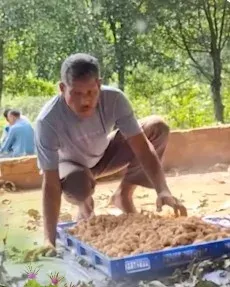
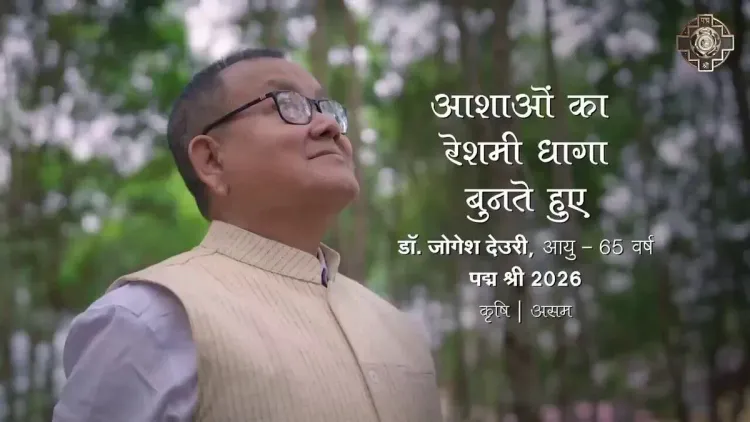
The CMO released a dedicated video documenting Dr.
Deuri's journey, amplifying the recognition beyond a routine congratulatory message.
Subsequent 2026–27 budget allocations for Eri silk clusters will indicate whether the honour translates into concrete policy support.
The Chief Minister's Office of Assam on Saturday, 13 June 2026 announced that Chief Minister Dr. Himanta Biswa Sarma has extended heartfelt congratulations to Dr. Jogesh Deuri on being conferred the Padma Shri, India's fourth-highest civilian honour, in recognition of his decades-long contribution to Eri silk development and the state's sericulture heritage.
Context
The CMO's post described Dr. Jogesh Deuri as 'a proud son of Assam' who 'has devoted his life to advancing Eri silk and strengthening the State's rich sericulture heritage.' The official statement was accompanied by a video documenting Dr. Deuri's journey in the field, underlining the state government's intent to spotlight grassroots contributors to Assam's craft economy on a national stage.
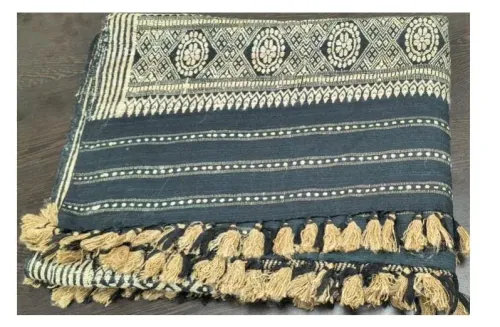
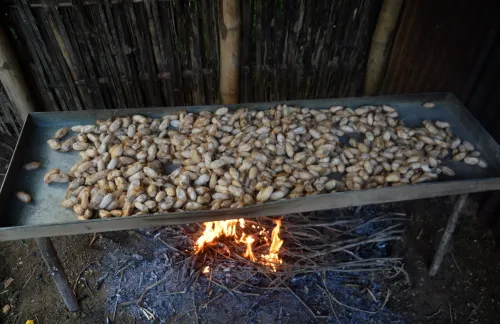
Eri silk, also known as Endi or peace silk, is one of three major silk varieties — alongside Muga and Pat — that define Assam's handloom identity. Unlike mulberry silk, Eri silk is produced from the Samia cynthia ricini silkworm and is closely linked to the livelihoods of tribal and rural communities across the state.
Policy Backdrop
Assam's engagement with sericulture is not recent. Post-independence state governments have maintained sericulture extension programmes since the 1950s, supporting handloom clusters and tribal artisan communities. Over the decades, these programmes have evolved into a broader cultural-economy framework that connects rural producers to national markets and recognition platforms.
In recent years, the Himanta Biswa Sarma government has positioned Eri silk promotion within wider cultural and economic policies, using platforms such as the Padma awards to draw national attention to Assam's artisan ecosystem. State governments across India routinely issue formal congratulations to Padma recipients from traditional craft sectors, but Assam's messaging around sericulture has been notably consistent, reflecting the sector's dual role as a livelihood anchor and a heritage symbol.
Stakeholders and Impact
The recognition carries significance for thousands of sericulture farmers and handloom weavers across Assam, for whom Eri silk cultivation is a primary or supplementary source of income. A Padma Shri conferred on a practitioner from within the sector can raise the profile of Eri silk nationally and potentially attract greater institutional and market interest.
Dr. Deuri's work, as acknowledged by the state government, represents the kind of ground-level expertise that underpins Assam's claim to sericulture leadership in Northeast India. The CMO's decision to release a dedicated video on his journey signals an effort to document and amplify such contributions beyond the immediate news cycle.
What's Next
Observers will watch whether this recognition translates into enhanced state budget allocations for Eri silk clusters in the 2026–27 fiscal cycle, or spurs additional government-backed initiatives to modernise Eri silk production and expand its export footprint. The Padma announcement may also encourage further nominations of artisans and practitioners from Assam's handloom and sericulture sectors in coming years.
With Assam increasingly leveraging cultural-economy linkages as part of its development narrative, the spotlight on Dr. Deuri's lifetime of work could inform policy conversations around artisan welfare, geographic indication protection for Eri silk, and rural livelihood schemes tied to the handloom sector.
Point of View
Particularly in the handloom and sericulture sectors. By releasing a dedicated video alongside the congratulatory post, the CMO moves beyond a routine tribute and frames the recognition as part of a living heritage narrative. This approach serves both a domestic constituency — the large community of weavers and farmers tied to Eri silk — and a broader national audience that the state is courting for investment and tourism. The real test will be whether this visibility moment is followed by measurable policy action in the next budget cycle.
NationPress
29 Jul 2026
Frequently Asked Questions
Who is Dr. Jogesh Deuri and why did he receive the Padma Shri?
Dr. Jogesh Deuri is an Assam-based sericulture specialist who has devoted his career to advancing Eri silk development and strengthening the state's handloom heritage. He was conferred the Padma Shri in recognition of his outstanding contribution to this field.
What is Eri silk and why is it important to Assam?
Eri silk, also called Endi or peace silk, is one of three major silk varieties produced in Assam alongside Muga and Pat silk. It is closely tied to the livelihoods of tribal and rural communities and forms a key part of the state's handloom identity and cultural economy.
What did CM Himanta Biswa Sarma say about Dr. Jogesh Deuri?
Chief Minister Himanta Biswa Sarma, through the official CMO account, extended heartfelt congratulations to Dr. Deuri, describing him as 'a proud son of Assam' who has devoted his life to advancing Eri silk and the state's sericulture heritage.
How has Assam supported its sericulture sector over the years?
Assam has maintained state-backed sericulture extension programmes since the 1950s to support handloom clusters and tribal artisan communities. The current government has positioned Eri silk promotion within a broader cultural-economy framework linking rural producers to national markets.
What could follow Dr. Deuri's Padma Shri recognition for Assam's Eri silk sector?
Observers will watch for enhanced state budget allocations for Eri silk clusters in 2026–27, possible geographic indication protection initiatives, and further nominations of artisans from Assam's handloom sector for national awards.