Assam Muga silk sericulture boosts rural livelihoods: CM Himanta Biswa Sarma
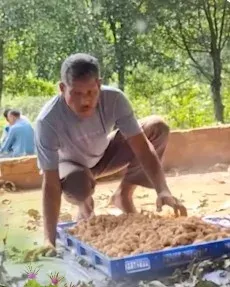
Synopsis
Assam's golden thread is spinning a new economic story. CM Himanta Biswa Sarma's spotlight on Muga sericulture reveals a state betting on its GI-tagged heritage silk — exclusive to Assam — to anchor rural livelihoods, empower women-led self-help groups, and build a scalable model for Northeast India's rural economy.
Key Takeaways
Assam Chief Minister Himanta Biswa Sarma on 8 June highlighted Muga silk cultivation as a driver of sustainable rural livelihoods across Assam .
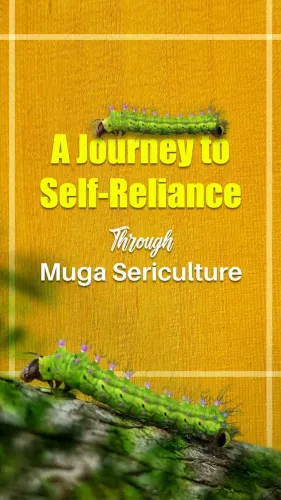
Muga silk is unique to Assam, carries a Geographical Indication (GI) tag, and is produced by the semi-domesticated Muga silkworm.
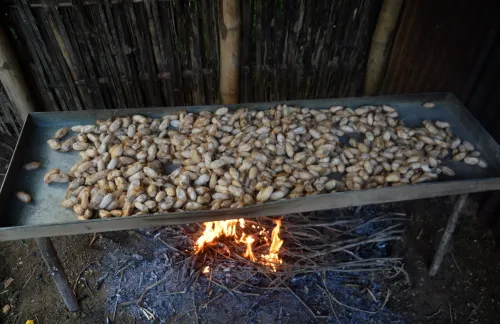
The state's Muga value chain supports thousands of families — including rearers, farmers, reelers, spinners, and weavers — across multiple districts.
Government support includes financial aid to weavers, silkworm rearer assistance, host plant expansion, skill development, and improved market access.
The Assam government has prioritised women and self-help groups in rural areas as primary beneficiaries of sericulture employment schemes.
Industry stakeholders see significant potential for Muga silk to contribute to rural development and the state's handloom economy as domestic and international demand rises.
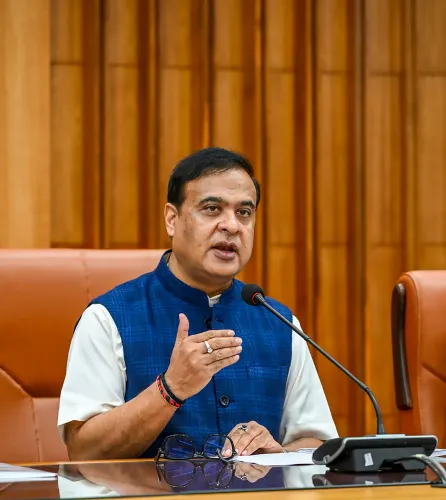
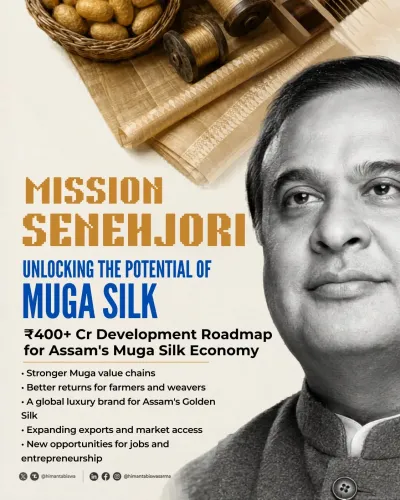
Assam Chief Minister Himanta Biswa Sarma on Monday, 8 June underscored the expanding role of the state's handloom and sericulture sector, asserting that Muga silk cultivation is generating sustainable livelihoods and reshaping rural economies across Assam. The Chief Minister's remarks spotlight a sector that the state government has been actively nurturing as a pillar of both cultural identity and economic growth.
What the Chief Minister Said
In a post on social media platform X, Chief Minister Sarma described Assam's handloom sector as 'weaving new opportunities' for its people. 'From nurturing trees for years to earning better livelihoods today, this is the story of how Muga sericulture is transforming lives across Assam,' Sarma wrote. His remarks highlighted the multi-generational commitment that Muga cultivation demands — and the returns it is now beginning to deliver.
What Makes Muga Silk Unique
Muga silk, prized for its natural golden sheen and exceptional durability, is exclusive to Assam and carries a Geographical Indication (GI) tag — a legal recognition of its regional authenticity. The silk is produced by the semi-domesticated Muga silkworm and has remained an inseparable part of Assam's cultural and economic fabric for centuries. Its GI status has helped differentiate authentic Assam Muga from imitations in domestic and international markets.
Government Initiatives Driving the Sector
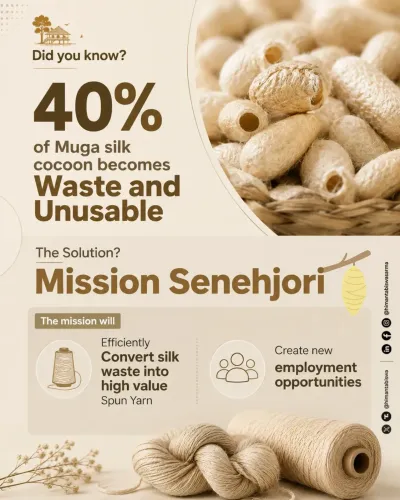
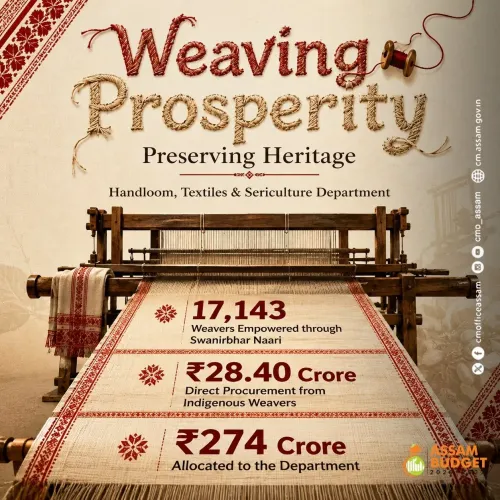
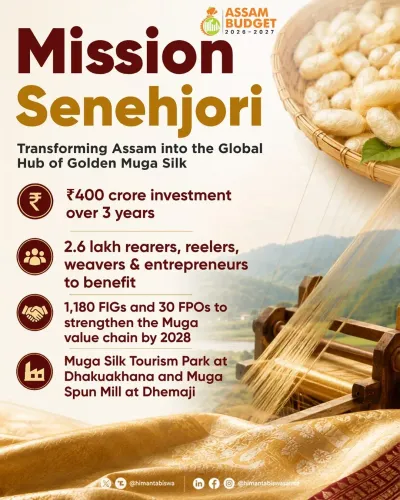
The state government has rolled out a range of interventions to strengthen the Muga value chain. These include financial assistance to weavers, support for silkworm rearers, expansion of host plant cultivation, skill development programmes, and improved market linkages for traditional products. Officials noted that the Muga value chain supports thousands of families across multiple districts — spanning rearers, farmers, reelers, spinners, and weavers. The Assam government has particularly focused on women and self-help groups in rural areas as key beneficiaries of sericulture-linked employment.
Rising Demand and Economic Impact
According to officials, increased government support alongside rising demand for authentic Muga products has translated into higher income opportunities for rural households. Industry stakeholders believe that growing domestic and international recognition positions Assam's Muga silk sector for significant expansion. Efforts are also underway to scale up production while preserving traditional knowledge and ensuring environmentally sustainable cultivation practices. This is not an isolated push — it forms part of a broader state strategy to anchor rural development in heritage industries.
What Comes Next
Chief Minister Sarma reiterated the government's commitment to supporting artisans, weavers, and sericulture farmers, framing the sector as central to Assam's economic future. With GI protection in place and state backing strengthening, the Muga silk industry is being positioned as a replicable model for rural livelihood generation in the Northeast.
Point of View
From host plant cultivation to market access. What mainstream coverage misses is the gender dimension: sericulture in Assam is disproportionately a women's economy, and state support for self-help groups could be more transformative than the headline livelihood numbers suggest. The GI tag is a strategic asset, but its value depends on enforcement against imitation products and consistent branding in export markets — areas where past efforts have been uneven. The real test of this initiative is whether income gains at the weaver and rearer level are verified independently, or remain anecdotal showcases in government communications.
NationPress
23 Oct 2026
Frequently Asked Questions
What is Muga silk and why is it significant for Assam?
Muga silk is a rare, naturally golden-hued silk exclusive to Assam, produced by the semi-domesticated Muga silkworm. It holds a Geographical Indication (GI) tag, recognising its regional authenticity, and has been central to Assam's cultural and economic identity for centuries.
What steps has the Assam government taken to support Muga sericulture?
The Assam government has introduced financial assistance for weavers, support for silkworm rearers, expansion of host plant cultivation, skill development programmes, and improved market linkages. The focus has been on women and self-help groups in rural areas as primary beneficiaries.
How many people does the Muga value chain employ in Assam?
According to officials, the Muga value chain supports thousands of families across several districts, covering rearers, farmers, reelers, spinners, and weavers. Exact district-wise figures were not specified in the government's statement.
What did CM Himanta Biswa Sarma say about Muga sericulture?
In a post on social media platform X on 8 June, Chief Minister Sarma said Assam's handloom sector is 'weaving new opportunities' and described Muga sericulture as transforming lives — from years of nurturing trees to earning better livelihoods today.
What is the growth outlook for Assam's Muga silk industry?
Industry stakeholders believe growing domestic and international recognition gives Assam's Muga silk sector significant potential to contribute to rural development. The state is simultaneously working to scale up production while preserving traditional knowledge and sustainable cultivation practices.