TRAI 30-day recharge rules: Raghav Chadha hails win for prepaid users
Synopsis
India’s prepaid mobile users just got a regulatory win: TRAI’s Thirteenth Amendment rules now compel telecom operators to offer true 30-day recharge plans and voice-SMS-only options, ending the 28-day cycle that forced 13 annual recharges. Rajya Sabha MP Raghav Chadha, who raised the issue in Parliament in March, called it a direct consumer-first intervention — and one with real financial relief for low-budget users.
Key Takeaways
TRAI has notified the Telecom Consumer Protection (Thirteenth Amendment) Regulations, 2026 , mandating 30-day prepaid recharge plans.
Prepaid users will now need 12 recharges a year instead of 13 , saving one cycle annually.
Telecom operators must offer voice and SMS-only STVs alongside bundled data plans.
Rajya Sabha MP Raghav Chadha had raised the issue in Parliament on 11 March , crediting both the government and TRAI for the change.
The amendments primarily benefit low-budget and non-data users, including rural and elderly subscribers.
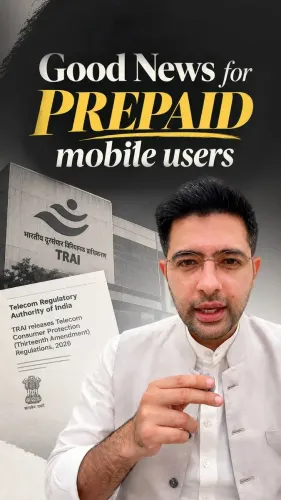
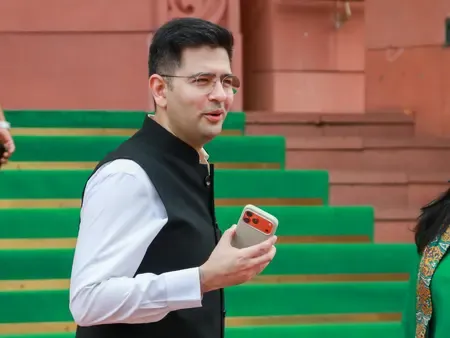
Rajya Sabha MP Raghav Chadha on 27 September 2026 welcomed the Telecom Consumer Protection (Thirteenth Amendment) Regulations, 2026, calling the introduction of 30-day recharge plans a victory for low-budget prepaid mobile users across India. The new rules, issued by the Telecom Regulatory Authority of India (TRAI), mandate telecom operators to offer voice and SMS-only Special Tariff Vouchers (STVs) alongside bundled data plans, giving consumers greater flexibility in choosing prepaid options.
What the New Regulations Change
Under the amended framework, telecom service providers are now required to offer voice and SMS-only STVs with validity periods that correspond to every 30-day and sub-30-day bundled plan already available. The key practical benefit: prepaid users will need to make 12 monthly recharges in a year instead of 13, since the shift from 28-day cycles to true 30-day cycles eliminates one extra recharge cycle annually. Consumers who do not use mobile data — including a significant segment of rural and elderly users — will now have access to affordable plans tailored specifically to voice calls and SMS.
Chadha's Parliamentary Push
Raghav Chadha had raised the issue of inflexible and consumer-unfriendly recharge cycles in Parliament on 11 March, flagging concerns over the practice of telecom companies offering 28-day ‘monthly’ recharges that effectively forced users into 13 billing cycles a year. In an X post, Chadha stated: “Good news for Prepaid Mobile Users in India. The Govt just introduced Telecom Consumer Protection (Thirteenth Amendment) Regulations, 2026, consumers will now have: 30-day recharge plans, reducing the need for 13 monthly recharges to 12 in a year, Voice and SMS-only plans for those who do not need data and more suitable options for low-budget consumers who primarily need basic voice calls.” He added: “Many of you had shared your concerns with me about limited and inflexible recharge options. I raised this issue in Parliament on 11th March, seeking greater choice and more affordable options for consumers. I am grateful to the Government of India and TRAI for resolving these concerns in the interest of greater consumer choice and convenience.”
What Are Special Tariff Vouchers
Special Tariff Vouchers are prepaid tariff products offered by telecom operators for specific services and defined validity periods. Until now, the STV ecosystem was heavily skewed toward bundled voice, SMS, and data packages, leaving users who only needed calling and messaging with limited options. The amended regulations directly address this gap by making voice-and-SMS-only STVs mandatory wherever a bundled equivalent exists.
Impact on Consumers
The changes are expected to benefit a broad section of India’s prepaid subscriber base, particularly those on lower incomes or in areas with limited data connectivity. By no longer requiring consumers to pay for bundled data they do not use, the regulations introduce a degree of ‘pay for what you need’ logic into India’s prepaid market. This comes amid sustained criticism that India’s telecom tariff hikes over the past two years have disproportionately burdened budget users. Notably, TRAI’s move marks a structural shift in how STVs are regulated, and telecom operators will now need to restructure their prepaid product portfolios accordingly.
What Happens Next
Telecom operators are expected to roll out compliant prepaid plans in line with the new regulatory mandate. Consumer groups and industry observers will watch closely to see how quickly providers adapt their offerings and whether the voice-and-SMS-only options are priced accessibly. The full impact on telecom company revenues remains to be assessed, given that data bundling has been a key revenue driver in the post-Jio era.
Point of View
And its correction was long overdue. What matters now is whether operators price the new voice-SMS-only STVs accessibly, or use them as a fig leaf while nudging users toward pricier bundles. The real test of this regulation is not its passage but its implementation — and TRAI will need to enforce compliance actively rather than leave it to market forces.
NationPress
27 Sept 2026
Frequently Asked Questions
What are the new TRAI 30-day recharge rules?
The Telecom Consumer Protection (Thirteenth Amendment) Regulations, 2026, require telecom operators to offer prepaid Special Tariff Vouchers with a true 30-day validity, replacing the earlier 28-day cycle. This reduces the number of annual recharges from 13 to 12 and also mandates voice and SMS-only plan options for users who do not need data.
Why did the 28-day recharge cycle matter?
A 28-day cycle meant prepaid users had to recharge 13 times in a calendar year rather than 12, effectively paying for an extra month annually. Critics, including MP Raghav Chadha, argued this was an unfair and opaque practice that hurt budget-conscious consumers.
Who benefits from the new prepaid regulations?
The primary beneficiaries are low-income prepaid users, rural subscribers, and elderly users who rely mainly on voice calls and SMS without needing mobile data. These users can now choose voice-and-SMS-only plans rather than being forced into costlier bundled packages.
What role did Raghav Chadha play in this change?
Rajya Sabha MP Raghav Chadha raised the issue of inflexible and consumer-unfriendly recharge cycles in Parliament on 11 March, calling for greater choice and affordability in prepaid plans. He credited both the Government of India and TRAI for acting on those concerns through the new amendment.
What are Special Tariff Vouchers (STVs)?
Special Tariff Vouchers are prepaid tariff products offered by telecom service providers for specific services — such as voice, SMS, or data — for defined validity periods. The new regulations require operators to offer voice-and-SMS-only STVs for every validity period where a bundled data STV already exists.