Why Are Tribal Villagers Clashing with Authorities Over Limestone Sampling in MP?
Synopsis
Tensions in Madhya Pradesh escalate as tribal villagers protest against limestone sampling linked to a proposed cement plant. The situation highlights serious concerns over land rights, environmental impact, and the rights of indigenous communities. Will this unrest lead to a broader movement for tribal rights?
Key Takeaways
Violent protests erupted in Madhya Pradesh over limestone sampling for a cement factory.
The villagers raised concerns about their land rights and environmental impact .
Authorities intervened to restore calm but have not confirmed any legal actions.
This incident highlights the tension between industrial development and indigenous rights .
Calls for stricter enforcement of protective laws are growing.
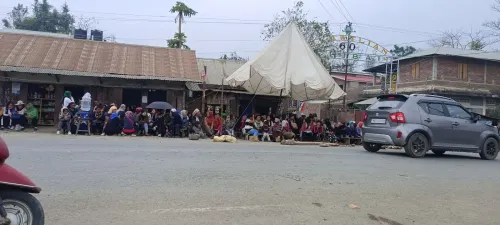
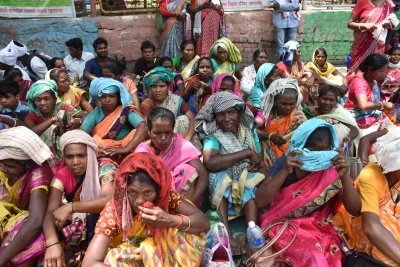
Bhopal/Dhar, Feb 19 (NationPress) Tensions escalated in the tribal-rich regions of Dhar district in Madhya Pradesh as villagers launched a violent protest against limestone sampling operations on Thursday. This sampling is connected to a proposed cement factory, revealing profound anxieties regarding land rights, environmental ramifications, and coerced industrial ventures on tribal lands.
The turmoil occurred in Kheladi village, situated within the Kukshi Assembly constituency, where a team from a cement company was engaged in sampling for a prospective limestone mine.
Allegations have surfaced that the operation commenced without the consent of the affected communities, amid claims of pressure and intimidation.
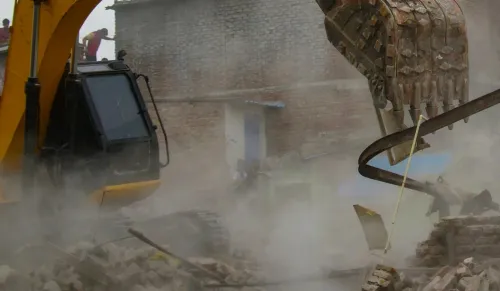
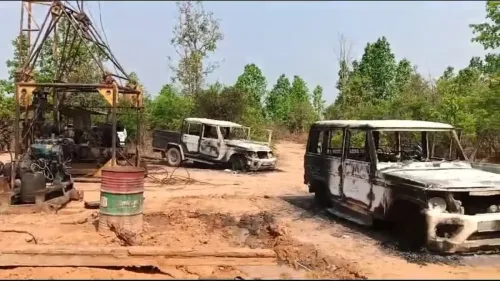
Furious residents gathered en masse, damaging company machinery and administrative vehicles, while also throwing stones at police and officials dispatched to control the situation.
As of yet, police have not confirmed if any cases have been filed against individuals involved in the incident.
Widespread videos on social media depicted the chaos, showcasing damaged equipment, overturned vehicles, and clashes between protesters and security personnel.
Kukshi SDM Pramod Gurjar verified to the media that the villagers were protesting against the sampling, which escalated into violence.
Authorities intervened to restore order, and the area is reportedly calm now; however, there has been no official update regarding whether FIRs have been filed against the demonstrators.
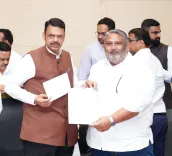
The unrest is not confined to Kheladi, as similar opposition has emerged in nearby Gandhwani and Jobat constituencies across Dhar and Alirajpur districts, where limestone drilling is perceived as an infringement on tribal rights to water, forests, and land, which are safeguarded under constitutional provisions like the Forest Rights Act and PESA, according to Umang Singhar, the Leader of Opposition in the Madhya Pradesh Assembly.
He condemned the developments and declared on social media, “Coercion will not be tolerated on tribal lands, water, and forests.”
Singhar accused the Madhya Pradesh government of facilitating injustice for the benefit of powerful interests and vowed to support the villagers' fight.
“The Congress Party stands firmly with them... This struggle will extend from the streets to the Assembly,” declared LoP Singhar, demanding accountability for those who authorized the activities.
Environmentalists and advocates for tribal rights caution that such mining endeavors threaten to render fertile agricultural lands unproductive, displace communities, and degrade local ecosystems in an already precarious region.
This incident highlights the ongoing tension between industrial development, environmental sustainability, and indigenous rights in Madhya Pradesh, where similar protests have occurred against large-scale extractive projects.
As investigations are underway, this episode has reignited demands for authentic consultation, free prior informed consent, and stricter enforcement of protective legislation to avert further turmoil in tribal territories.
Point of View
It is paramount to recognize the profound implications of this clash between tribal villagers and authorities in Madhya Pradesh. The growing unrest is emblematic of a larger struggle for indigenous rights, environmental justice, and accountability in governance. It is crucial that we advocate for genuine dialogue that respects the voices and rights of tribal communities, ensuring their concerns are not drowned out by industrial ambitions.
NationPress
29 Sept 2026
Frequently Asked Questions
What triggered the protest by tribal villagers?
The protest was triggered by limestone sampling activities linked to a proposed cement factory, which the villagers opposed due to concerns over land rights and environmental impact.
What are the main concerns of the villagers?
Villagers are primarily concerned about land rights, environmental degradation, and the lack of consent for industrial projects on their ancestral lands.
What is the government's response to the protests?
The government has yet to confirm any legal action against the protesters, although authorities intervened to restore calm after the violent clashes.
How have environmentalists reacted to this incident?
Environmentalists have warned that mining projects could destroy fertile agricultural lands and harm local ecosystems, urging for stricter enforcement of protective laws.
What are the implications for tribal rights in India?
This incident highlights the ongoing struggle for tribal rights in India, emphasizing the need for genuine consultation and free prior informed consent in industrial activities affecting tribal communities.