Is Trinamool Congress Diverging from Congress on the LS Speaker Impeachment?
Synopsis
The Trinamool Congress is charting its own course in the political landscape by advocating for a more reserved approach regarding the impeachment of Lok Sabha Speaker Om Birla, signaling its discontent with Congress leadership. This move reflects deeper rifts and ambitions within the opposition ahead of pivotal elections.
Key Takeaways
Trinamool Congress is taking a distinct approach towards the impeachment of Speaker Om Birla.
The party aims to assert its prominence within the opposition.
Rifts between Trinamool Congress and Congress highlight evolving political dynamics.
Mamata Banerjee is regarded as one of the leading political figures in India.
Upcoming Assembly elections are influencing current political strategies.
New Delhi, Feb 11 (NationPress) The Trinamool Congress has proposed a distinct approach of restraint and constructive engagement instead of hastily pursuing the impeachment of Lok Sabha Speaker Om Birla. This decision signals a notable level of dissatisfaction towards the Congress leadership, particularly with the Congress holding the position of Leader of the Opposition in the Lok Sabha.
This move can also be interpreted as a critique of the Congress, especially Rahul Gandhi, due to the perceived inadequacy in responding to Trinamool's previous initiative for an impeachment motion against Chief Election Commissioner Gyanesh Kumar.
While neither action is likely to yield favorable results for the opposition coalition, given its numerical disadvantage against the ruling National Democratic Alliance (NDA) in Parliament, the rhetoric plays a crucial role in shaping the political narrative.
The Trinamool Congress aims to assert its presence among opposition parties in Delhi, seeking acknowledgment as one of the largest factions on the opposition benches. Party insiders believe that the Congress has not accorded them the recognition they deserve, as noted by Sambit Pal, In-Charge Director at the International School of Broadcasting and Journalism at MIT Art, Design and Technology University.
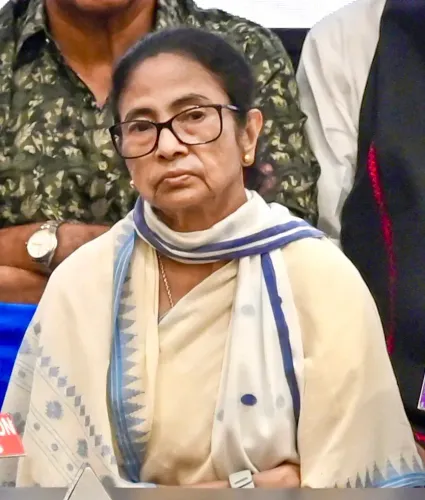
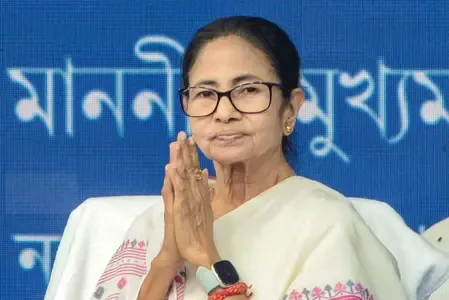
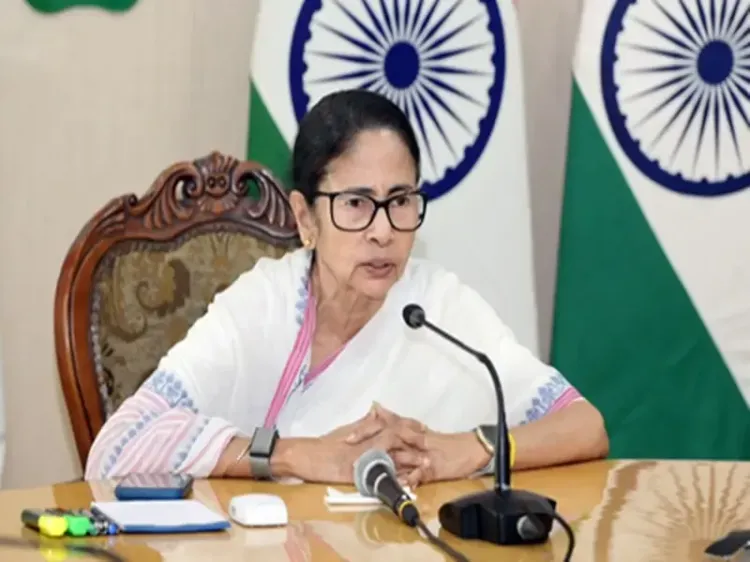
Party leaders revere Mamata Banerjee as one of the nation's three most prominent political figures still active, alongside Sharad Pawar and Sonia Gandhi, and do not wish to appear subordinate to Rahul Gandhi.
Despite the Trinamool having 28 MPs in the Lower House—approximately 28% of Congress's 99 members—and being followed by the Samajwadi Party with 37 MPs, it has indicated it will not unconditionally align with the Leader of the Opposition, Rahul Gandhi.
Senior journalist Gautam Hore, with over three decades of experience in major Bengali media outlets, also connects the Trinamool's position to its rifts with Rahul Gandhi and suggests this decision is linked to the upcoming Assembly elections in West Bengal.
“At this juncture, the Trinamool Congress prefers not to rush into such a sensitive issue as the Speaker's removal. Their stance is not directly against Congress’s initiative; instead, they want to propose an impeachment motion themselves, but only after giving the Speaker adequate notice to address the issues the opposition finds troubling,” explained the veteran journalist.
“This is also the Trinamool's strategy to reinforce its status as the principal political party in West Bengal ahead of the forthcoming Assembly elections. The party seeks to convey that it will not play a subordinate role, even on a national level,” he added.
Coincidentally, the Congress has sought to mend its relationship since the Trinamool withdrew its support from the United Progressive Alliance (UPA) government at the Centre, leading to strained ties.
When the Congress state unit president Adhir Ranjan Chowdhury, a vocal critic of Mamata Banerjee, was replaced by the more amenable Subhankar Sarkar, it was widely interpreted as a bid to appease the Chief Minister and Trinamool leader.
The Congress's choice to sever ties with the Left Front, previously considered a potential third front against the ruling Trinamool Congress and the main opposition Bharatiya Janata Party ahead of the 2026 state elections, was also viewed as an indication of recalibration.
Nonetheless, the Trinamool has largely opted to maintain its distance from such overtures, preferring to carve its own path—successfully, at least for the time being.
Point of View
It's essential to recognize the strategic moves by the Trinamool Congress. While they diverge from Congress on critical issues, this reflects their aspirations for greater political influence. It underscores the evolving dynamics within the opposition parties, which are crucial for shaping future electoral outcomes.
NationPress
27 Sept 2026
Frequently Asked Questions
Why is the Trinamool Congress diverging from Congress?
The Trinamool Congress is seeking to establish itself as a significant player in opposition politics, feeling undervalued by Congress leadership.
What does the Trinamool Congress propose instead of impeachment?
They suggest a more restrained approach, allowing the Speaker time to address concerns before moving towards impeachment.
How many MPs does the Trinamool Congress hold?
The Trinamool Congress currently has 28 MPs in the Lok Sabha.
What is the significance of this political maneuver?
This move signals the Trinamool's intent to assert its political status ahead of upcoming elections.
Who are the key political figures mentioned?
Key figures include Mamata Banerjee, Rahul Gandhi, and Gyanesh Kumar.