Cauvery delta farmers hit by groundwater fall, salinity surge and Mettur delay
Synopsis
Cauvery delta farmers are caught in a three-way squeeze: the annual Mettur release was skipped for the first time due to low storage, a heatwave is draining groundwater faster than pumps can replenish it, and Tangedco has now cut free power to agricultural pumps from 18 to 14 hours a day. With Mettur holding only 35 tmc ft against a 93.47 tmc ft capacity, experts say relief is unlikely before September — leaving one lakh acres of kuruvai paddy in Thanjavur in a precarious race against time.
Key Takeaways
Kuruvai paddy on nearly one lakh acres in Thanjavur district depends entirely on groundwater after the annual Mettur dam release — normally on 12 June — was skipped due to low storage.
Tangedco cut daily free electricity for agricultural pump sets from 18 hours to 14 hours , further limiting groundwater extraction.
Groundwater salinity has risen sharply in villages including Vellam Perambur , Then Perambur , Allur Azhisikudi , and Panaveli .
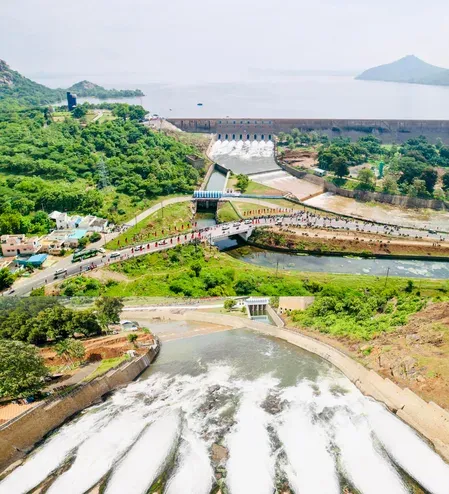
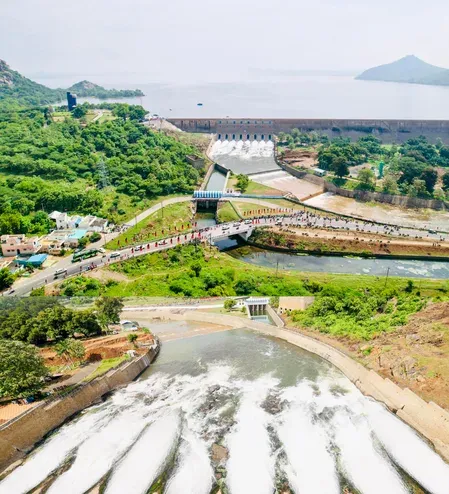
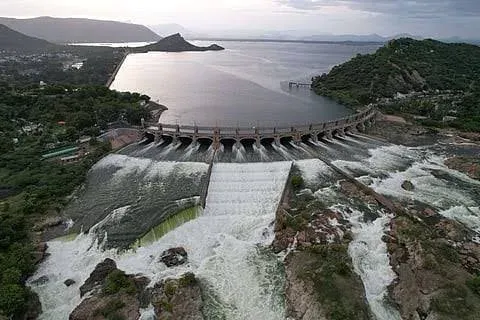
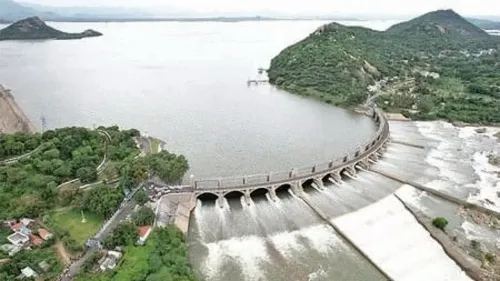
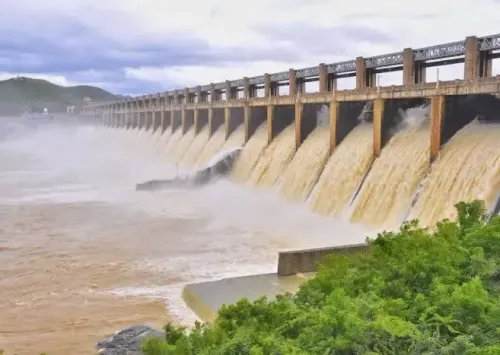
Mettur reservoir holds only 35 tmc ft against a full capacity of 93.47 tmc ft ; experts say release is unlikely before September .
In Papanasam block , kuruvai has been sown on 8,400 acres ; harvesting is complete on only about 2,000 acres .
Experts suggest farmers consider direct sowing of medium-duration samba paddy in September if the northeast monsoon cooperates.
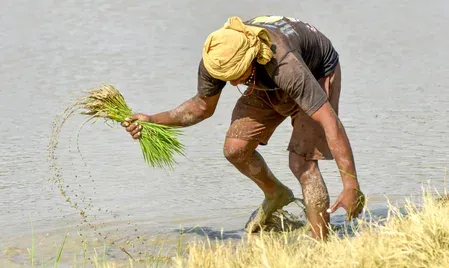
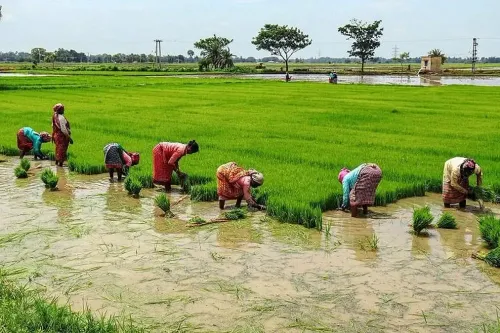
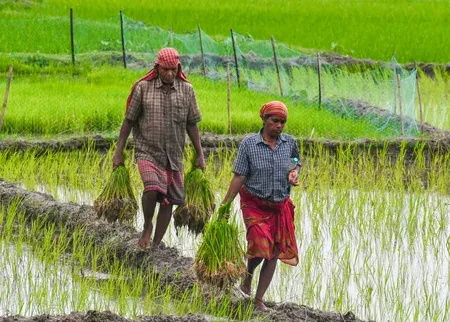
Kuruvai paddy farmers across the Cauvery delta are facing a compounding agricultural crisis, with rapidly declining groundwater levels, rising salinity, and the continued non-release of water from the Mettur dam pushing standing crops to the brink. The distress is centred in Thanjavur district, where nearly one lakh acres of kuruvai cultivation this season has depended almost entirely on groundwater.
What Is Driving the Crisis
Under normal conditions, farmers in the Cauvery delta begin the kuruvai season on groundwater and later switch to river water released from Mettur dam — traditionally on 12 June each year. This year, that release did not happen due to inadequate reservoir storage, forcing farmers to rely exclusively on groundwater through the entire growing period.
The prolonged absence of river flow has significantly lowered the water table across the delta. A punishing heatwave has worsened the situation by accelerating evaporation from fields. R. Arulsamy, a farmer from Ganapathy Agraharam in Papanasam, described the ground reality: 'The scorching heat is causing rapid evaporation from the fields, while there has been no water flow in the Cauvery for more than six months. Groundwater levels are falling every day.'
Power Cut Deepens Irrigation Strain
The situation was further aggravated on Wednesday when Tangedco informed farmers that the daily free electricity supply for agricultural pump sets would be cut from 18 hours to 14 hours. The reduction directly limits farmers' ability to draw groundwater — their only remaining irrigation source this season.
In Papanasam block alone, kuruvai has been sown on about 8,400 acres. While harvesting has been completed on roughly 2,000 acres, farmers cultivating the remaining fields are increasingly anxious about sustaining irrigation through to harvest.
Salinity Emerges as a Secondary Threat
Beyond water scarcity, a sharp rise in groundwater salinity is compounding crop stress in several villages including Vellam Perambur, Then Perambur, Allur Azhisikudi, and Panaveli. In previous years, timely Mettur releases recharged groundwater reserves through the canal network and diluted salinity. With no such recharge this season, saline groundwater is directly affecting irrigation quality and threatening crop health.
Mettur Storage Leaves Little Room for Relief
Many farmers have appealed to the Tamil Nadu government to release at least a limited quantity of water from Mettur dam before the Adi Perukku festival on 3 August, seeking temporary relief for their standing crops. However, agriculture experts say such a release is unlikely given current storage levels.
P. Kalaivanan of the Senior Agro Technologist Forum noted that the Mettur reservoir currently holds only about 35 tmc ft of water against its full capacity of 93.47 tmc ft. While there had been hopes of opening the dam in August, he said prevailing storage levels suggest water may not be released until September.
What Farmers Can Still Do
Kalaivanan added that farmers could still salvage the coming season by opting for direct sowing of medium-duration samba paddy in September, provided the northeast monsoon delivers adequate rainfall. This comes amid growing concern among farming communities that delayed monsoon performance could close even that window. The crisis underscores the structural vulnerability of delta agriculture when reservoir storage, groundwater recharge, and power supply fail simultaneously.
Point of View
The June 12 release window is increasingly a ceremonial date rather than an operational guarantee. Without a diversified irrigation strategy — including canal restoration, micro-irrigation, and monsoon-fed recharge ponds — the delta's kuruvai season will remain hostage to reservoir politics every dry year.
NationPress
25 Jul 2026
Frequently Asked Questions
Why are Cauvery delta farmers in crisis this season?
Farmers in the Cauvery delta are facing a triple crisis: groundwater levels have fallen sharply due to six months without river flow, salinity in groundwater has risen in several villages, and the annual Mettur dam release — normally on 12 June — was skipped because of inadequate reservoir storage. Compounding this, Tangedco has reduced free electricity for agricultural pumps from 18 to 14 hours a day.
Why was water not released from Mettur dam this year?
The Mettur reservoir currently holds only about 35 tmc ft against its full capacity of 93.47 tmc ft, making a release impractical. According to agriculture experts, the storage position suggests water may not be released until September 2025.
How much land is affected in Thanjavur district?
Kuruvai paddy has been cultivated on nearly one lakh acres across Thanjavur district this season, all of it reliant on groundwater. In Papanasam block alone, about 8,400 acres are under kuruvai cultivation, with harvesting completed on only around 2,000 acres.
What is causing groundwater salinity to rise in the delta?
In normal years, Mettur releases recharge groundwater reserves through the canal network and dilute salinity. With no such recharge this season, saline groundwater has built up in villages including Vellam Perambur, Then Perambur, Allur Azhisikudi, and Panaveli, directly threatening crop health.
Is there any option left for farmers this season?
Agriculture experts suggest that farmers who lose the kuruvai crop could still salvage the year by opting for direct sowing of medium-duration samba paddy in September, provided the northeast monsoon delivers adequate rainfall. Farmers have also appealed for even a limited Mettur release before the Adi Perukku festival on 3 August, though experts say this is unlikely given current storage levels.