What is Causing Nearly 60% of Tripura’s 900,000 Power Consumers to Default on Bills?
Synopsis
In Tripura, a staggering 60% of the 900,000 electricity consumers are defaulting on their bills, according to TSECL officials. This alarming trend has led to arrears exceeding Rs 490 crore, raising concerns about the sustainability of power services in the region. Discover the implications of this situation for both consumers and the utility provider.
Key Takeaways
60% of Tripura's electricity consumers are defaulting on bills.
Accumulated arrears exceed Rs 490 crore .
Power Minister appeals for timely payments.
Protests have arisen over service disconnections.
Financial health of TSECL is at risk due to non-payment.
Agartala, Feb 6 (NationPress) In a troubling development, nearly 60 percent of Tripura's approximately 900,000 electricity consumers have been neglecting their monthly power payments for several years, as reported by officials from the Tripura State Electricity Corporation Limited (TSECL) on Friday.
A senior official from TSECL indicated that only about 432,000 consumers, predominantly from urban regions, consistently fulfill their electricity payment obligations to the state-owned entity.
This ongoing trend of non-payment has led to a staggering accumulation of electricity arrears surpassing Rs 490 crore.
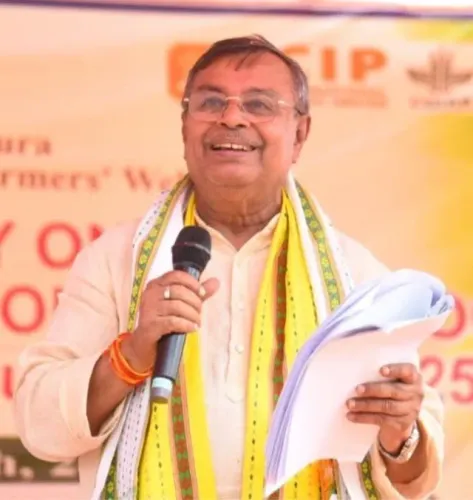
Power Minister Ratan Lal Nath has continually appealed to consumers during various TSECL programs and public gatherings, urging them to settle their outstanding dues promptly.
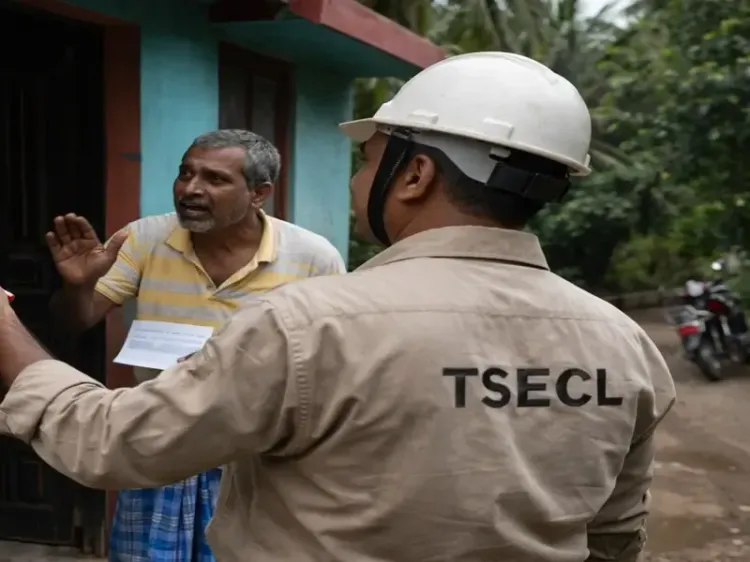
“At times, certain consumers have even resorted to violence against TSECL staff, including engineers and linemen, when attempts were made to disconnect power to defaulters,” stated the official.
Officials mentioned that the rising unwillingness among some consumers to pay their electricity bills poses a significant challenge in ensuring an uninterrupted power supply throughout the state.
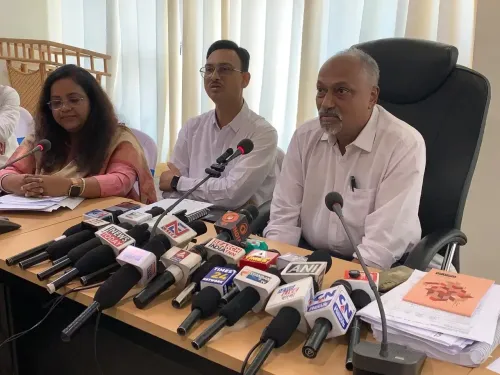
TSECL Managing Director Biswajit Basu noted that the widespread failure to pay dues is disrupting administrative functions and creating severe risks to power supply, infrastructure upkeep, and future advancements.
He called for consumer cooperation, emphasizing that maintaining and enhancing the power service system would be exceedingly challenging without public support.
As reported by officials, several areas within the Amarpur Electrical Sub-Division in Gomati district have shown a continuous trend of consumers demanding uninterrupted power supply while amassing significant unpaid bills.
Recently, residents from Kalamati, Bibaram Para, Gatiram Para, Sombajoy Para, and Hatiray Para communicated to officials their inability to pay their electricity dues.
In response to prolonged non-payment, TSECL began procedures to disconnect power in these regions, leading to protests from some residents who blocked roads and insisted on the continuation of electricity supply.
Protesters argued that paying electricity bills was beyond their financial means but insisted that power service should not be interrupted.
The situation calmed after the district administration intervened, leading residents to submit written commitments to clear their outstanding dues by February 15. Based on these assurances, electricity service was restored.
However, officials expressed concerns that ongoing patterns of behavior like this could significantly impact the future sustainability of power services.
Data reveals that electricity arrears in these five regions alone have exceeded Rs 3.8 million.
TSECL representatives described the overall billing performance in the Amarpur Electrical Division as alarming.
As of January 31, 2026, a mere 4,310 out of 15,067 registered consumers in the Amarpur Sub-Division had settled their bills, reflecting a compliance rate of only 28 percent.
In Jatanbari, just 1,729 out of 10,418 consumers paid their dues, resulting in a payment rate of 16 percent.
Meanwhile, in Karbook, 1,644 out of 7,617 consumers paid their bills, while in Ompi, 2,398 out of 9,098 consumers made payments, indicating compliance rates of 21 percent and 26 percent, respectively.
Overall, the bill payment rate across all four subdivisions under the Amarpur Division is merely 23 percent, which officials have labeled as financially unviable.
Basu emphasized that electricity is a capital-intensive essential service requiring substantial financial resources for power procurement, generation, maintenance, emergency repairs, and infrastructure growth.
He stated that failure to pay bills punctually disrupts both daily operations and long-term modernization initiatives.
He underscored that electricity supply is vital for education, healthcare, households, and commercial pursuits, and any interruptions could lead to widespread social and economic repercussions.
While some responsible consumers consistently pay their dues, the increasing number of defaulters demanding uninterrupted services poses long-term threats to the power sector.
The corporation cautioned that a decline in the financial health of the power distribution system could impede timely maintenance, emergency responses, and capacity-building projects essential to meet the growing electricity needs of the state.
In light of the current situation, TSECL has urged all consumers to regularly settle their bills and cooperate in enhancing the power service system.
Officials reiterated that electricity supply is a mutual responsibility shared between the service provider and consumers, and persistent non-payment could complicate the provision of reliable and improved electricity services.
Point of View
A collective effort is required from consumers and service providers to ensure sustainable electricity services.
NationPress
6 Oct 2026
Frequently Asked Questions
Why are so many consumers defaulting on their electricity bills?
Many consumers cite financial difficulties as the reason for their inability to pay their electricity bills, leading to a significant accumulation of arrears.
What are the consequences of not paying electricity bills?
Failure to pay electricity bills can result in service interruptions, increased debt for consumers, and operational challenges for the service provider.
How is TSECL addressing the issue of non-payment?
TSECL is urging consumers to pay their dues and has initiated disconnection procedures for persistent defaulters while also engaging with consumers to find solutions.
What is the current state of electricity arrears in Tripura?
Electricity arrears in Tripura have exceeded Rs 490 crore, with certain areas showing alarming non-payment rates.
What is the importance of timely electricity payments?
Timely payments are crucial for maintaining reliable electricity supply, funding infrastructure improvements, and ensuring the sustainability of energy services.