Twisha Sharma death: Father petitions MP Governor, seeks accused's suspension
Synopsis
A dowry death case in Bhopal has taken a constitutional turn: the victim's father is petitioning the MP Governor to suspend the accused mother-in-law from her quasi-judicial post, citing the risk that her official authority could compromise the investigation. The post-mortem's finding of blunt force injuries alongside hanging makes the stakes even higher.
Key Takeaways
Twisha Sharma , 23, was found dead on 12 May 2025 at a residence in Katara Hills, Bhopal ; cause of death cited as antemortem hanging with additional blunt force injuries .
An FIR was registered on 15 May 2025 naming husband Samarth Singh and mother-in-law Giribala Singh under dowry harassment and BNS provisions.
Giribala Singh is a former senior judicial officer and currently serves on the Madhya Pradesh State Consumer Disputes Redressal Commission .
Father Navnidhi Sharma has petitioned MP Governor Mangubhai C Patel seeking Giribala Singh's temporary suspension from her adjudicatory role during the probe.
The petition invokes Articles 14 and 21 of the Constitution, arguing an impartial investigation is a fundamental right.
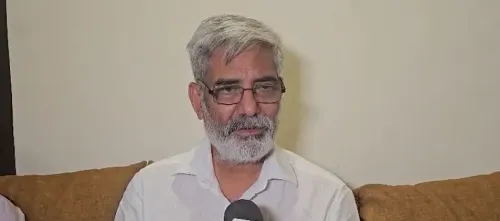
The death of 23-year-old Twisha Sharma in Bhopal has escalated into a constitutional petition, with her father Navnidhi Sharma submitting an urgent representation to Madhya Pradesh Governor Mangubhai C Patel on 18 May 2025, demanding an impartial probe and the temporary removal of the primary accused — his daughter's mother-in-law — from her quasi-judicial post. The case, which began with Twisha's death on 12 May at a residence in Katara Hills, Bhopal, has drawn attention to the institutional influence an accused official may wield over an active criminal investigation.
The Core Concern: Accused Holds Quasi-Judicial Office
At the heart of Navnidhi Sharma's petition is the official standing of Giribala Singh, Twisha's mother-in-law and a named accused in the case. Giribala Singh is a former senior judicial officer of Madhya Pradesh and currently serves in a prominent adjudicatory capacity within the Madhya Pradesh State Consumer Disputes Redressal Commission.
The family contends that her continued presence in public office poses a credible risk of indirect institutional pressure on local law enforcement, witness testimonies, and medico-legal forensic processes. The representation explicitly states the family has no intent to scandalise the judiciary, but rather seeks to insulate the investigation from any institutional bias.
Constitutional Grounds for the Petition
Invoking Articles 14 and 21 of the Constitution of India — guaranteeing equality before law and the right to life and personal liberty respectively — the petition argues that a transparent and independent investigation is a fundamental right. The family is calling for an immediate administrative review and the temporary suspension of Giribala Singh from her adjudicatory duties for the duration of the criminal investigation.
What the FIR and Post-Mortem Reveal
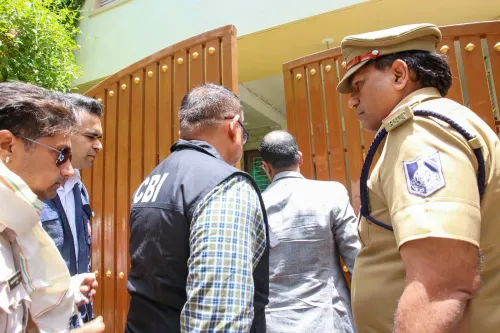
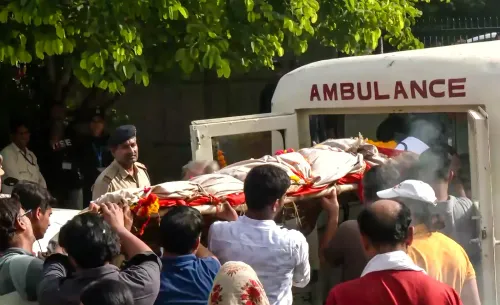
Twisha was found hanging on 12 May 2025 at the Katara Hills residence of Giribala Singh. The Katara Hills Police Station registered a First Information Report on 15 May 2025, naming Twisha's husband Samarth Singh and Giribala Singh as the primary accused.
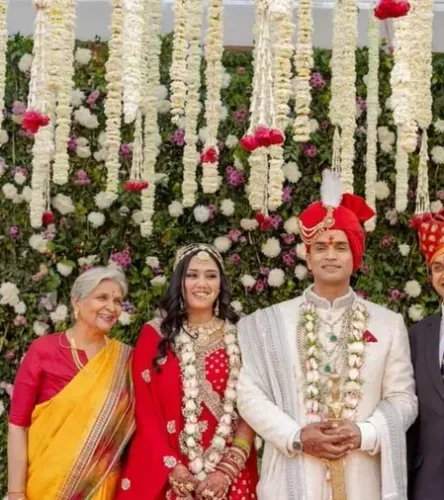
The case has been registered under Sections 80(2), 85, and 3(5) of the Bharatiya Nyaya Sanhita, 2023, and Sections 3 and 4 of the Dowry Prohibition Act, 1961. Initial police records contain serious allegations of persistent dowry harassment, mental cruelty, and physical torture following Twisha's marriage on 9 December 2025.
Critically, the provisional post-mortem report cited the cause of death as antemortem hanging by ligature, but also flagged multiple antemortem blunt force injuries on other parts of the body — a finding that has significantly deepened the gravity of the case.
Broader Context: Institutional Accountability Under Scrutiny
This case surfaces a recurring tension in India's criminal justice system: what safeguards exist when an accused holds institutional authority that could bear on an investigation? The family's petition is, in effect, a demand for a structural firewall — separating the accused's official capacity from the machinery of the probe. Notably, cases involving accused persons in quasi-judicial or administrative roles have previously prompted high courts to order CBI transfers or special investigation teams, though no such order has been issued here yet.
As the investigation proceeds, all eyes will be on whether the Madhya Pradesh government acts on the Governor's representation and whether a special probe or supervisory mechanism is constituted to address the family's concerns.
Point of View
The law provides no automatic firewall between that authority and the investigation. The provisional post-mortem — which flags both ligature hanging and blunt force injuries — makes this more than a procedural concern; it raises the stakes for forensic and witness integrity. The MP government's response to the Governor's representation will be a test of whether the state can act pre-emptively, rather than waiting for a court to intervene. Past precedent suggests courts have been more willing than governments to order such separations.
NationPress
13 Oct 2026
Frequently Asked Questions
Who is Twisha Sharma and how did she die?
Twisha Sharma was a 23-year-old woman from Bhopal who was found hanging on 12 May 2025 at the Katara Hills residence of her mother-in-law, Giribala Singh. The provisional post-mortem report cited antemortem hanging by ligature as the cause of death but also noted multiple antemortem blunt force injuries on other parts of her body.
Who has been named as accused in the Twisha Sharma case?
An FIR registered on 15 May 2025 at Katara Hills Police Station named Twisha's husband Samarth Singh and her mother-in-law Giribala Singh as the primary accused. The case was registered under Sections 80(2), 85, and 3(5) of the Bharatiya Nyaya Sanhita, 2023, and Sections 3 and 4 of the Dowry Prohibition Act, 1961.
Why is Giribala Singh's official role significant in this case?
Giribala Singh is a former senior judicial officer of Madhya Pradesh and currently serves on the Madhya Pradesh State Consumer Disputes Redressal Commission. The victim's family argues her continued presence in a quasi-judicial public role could exert indirect influence over local law enforcement, witnesses, and forensic processes in the active criminal investigation.
What has Twisha's father demanded from the MP Governor?
Navnidhi Sharma has submitted a representation to Governor Mangubhai C Patel seeking an immediate administrative review and the temporary removal or suspension of Giribala Singh from her adjudicatory duties while the criminal investigation is active. The petition invokes Articles 14 and 21 of the Constitution of India.
What were the allegations against the accused before Twisha's death?
According to initial police records, Twisha faced persistent dowry harassment, mental cruelty, and physical torture following her marriage on 9 December 2025. These allegations form the basis of the dowry-related charges in the FIR filed against Samarth Singh and Giribala Singh.