Two elephant calves killed by train in Andhra's Anantapur; Pawan Kalyan orders action
Synopsis
Two elephant calves are dead after a train struck them on a forest-route track in Andhra Pradesh's Anantapur — the same stretch where a leopard was previously killed. Deputy CM Pawan Kalyan has now ordered emergency Forest-Railway coordination, speed controls, and loco-pilot wildlife training, while separately flagging a series of elephant electrocution deaths across multiple districts.
Key Takeaways
Two elephant calves were killed by a train in Kalyam village, D.
Hirehall mandal, Anantapur district on 29 October 2026 .
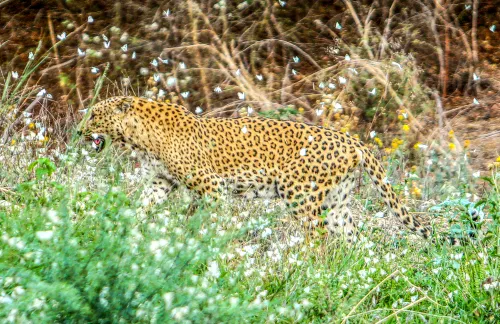
The incident occurred within the Kalyandurg Forest Range's Rayadurgam beat — the same route where a leopard was previously killed by a train.
Deputy CM and Forest Minister Pawan Kalyan directed Forest and Railway Departments to hold an emergency coordination meeting and identify wildlife crossing hotspots.
The PCCF has been instructed to formally raise the matter with the concerned Railway General Manager .
Pawan Kalyan also ordered urgent inter-departmental meetings to address a separate pattern of elephant deaths caused by electrocution in multiple districts.
Loco pilots on forest routes are to receive special awareness training on wildlife movement and accident prevention.
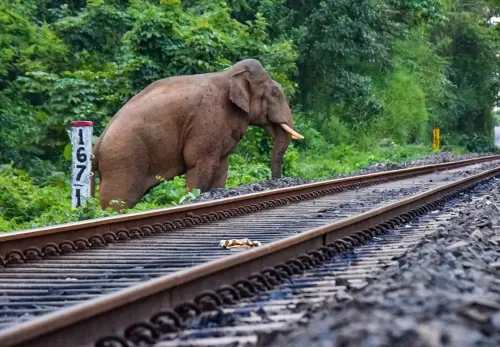
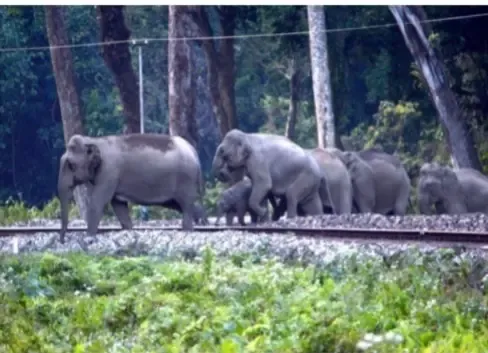
Two elephant calves were killed after being struck by a train in Andhra Pradesh's Anantapur district on Thursday, 29 October 2026, prompting Deputy Chief Minister and Forest Minister Pawan Kalyan to direct emergency coordination measures between the Forest and Railway Departments. The incident took place in the early hours on a railway track within Kalyam village in D. Hirehall mandal, under the Kalyandurg Forest Range's Rayadurgam beat and section area.
What Happened
The two calves were struck and killed by a passing train on tracks running through a forest zone in Anantapur. Forest Department officials briefed Pawan Kalyan on the accident, which follows a previous fatal incident on the same route in which a leopard was killed by a train. The recurrence on the same stretch has heightened concern among wildlife officials about the absence of adequate preventive measures.
Pawan Kalyan's Directives
The Deputy Chief Minister issued a series of directives following the briefing. He instructed Forest Department officials to convene a coordination meeting with senior local railway officials to identify high-risk wildlife crossing zones and implement targeted safety interventions. He also directed the Principal Chief Conservator of Forests (PCCF) to formally raise the matter with the concerned Railway General Manager.
Pawan Kalyan called for special awareness training for loco pilots operating trains through forest corridors, covering wildlife movement patterns, conservation protocols, and accident prevention. He specified that trains must reduce speed on forest routes, sound horns consistently in designated areas, and remain on heightened alert while passing through zones of known wildlife activity.
The Broader Threat: Elephant Deaths by Electrocution
Separately, Pawan Kalyan also reviewed an ongoing pattern of elephant fatalities caused by electrocution across multiple districts. He ordered coordination meetings involving district collectors and officials from agriculture, horticulture, electricity, panchayat raj, and rural development departments in affected areas to urgently formulate prevention measures.
He directed the Electricity Department to ensure power lines in wildlife movement corridors are maintained at sufficient heights, and called for awareness campaigns urging farmers to avoid installing electric fences around crops in areas where elephants and other wildlife are known to roam. He stressed that permanent solutions must be identified to halt recurring elephant deaths due to electric shocks.
The Wider Pattern of Human-Wildlife Conflict on Rail Routes
India has recorded dozens of wildlife fatalities on railway tracks passing through forest areas in recent years, particularly involving elephants, leopards, and tigers. The Ministry of Railways and the Ministry of Environment have previously issued joint advisories on speed restrictions and real-time alert systems, though enforcement in remote forest sections has remained inconsistent. This incident underscores the systemic gap between policy and implementation, particularly in Andhra Pradesh's interior forest belts.
What Happens Next
Forest officials in Anantapur are expected to hold a joint coordination meeting with local railway authorities in the coming days to map wildlife crossing points along the affected route. The PCCF has been tasked with escalating the matter to the Railway General Manager. Pawan Kalyan has made clear that senior Forest Department officials must conduct thorough investigations into each incident and implement corrective measures to prevent future occurrences.
Point of View
Yet enforcement in remote corridors like Kalyandurg consistently lags. Pawan Kalyan's directives are pointed and comprehensive on paper, but the recurring pattern demands more than another round of meetings; it demands real-time monitoring infrastructure and binding speed mandates with accountability. The parallel crisis of electrocution deaths compounds the concern: Andhra Pradesh appears to be losing wildlife at multiple pressure points simultaneously, which should elevate this beyond a forest department problem into a Cabinet-level priority.
NationPress
29 Oct 2026
Frequently Asked Questions
Where did the elephant calf train accident in Andhra Pradesh occur?
The accident occurred on a railway track within Kalyam village in D. Hirehall mandal of Anantapur district, Andhra Pradesh, under the Kalyandurg Forest Range's Rayadurgam beat and section area. It took place in the early hours of Thursday, 29 October 2026.
What action has Deputy CM Pawan Kalyan ordered after the incident?
Pawan Kalyan directed Forest Department officials to coordinate with local railway authorities to identify wildlife crossing zones and implement safety measures. He also ordered the PCCF to raise the matter with the Railway General Manager and called for special wildlife awareness training for loco pilots on forest routes.
Is this the first such incident on this railway route?
No. Pawan Kalyan recalled a previous incident in which a leopard was killed by a train on the same route, making the recent deaths of the two elephant calves a recurrence on an already identified high-risk stretch.
What measures has Pawan Kalyan called for to prevent future wildlife train accidents?
He directed that train speeds be controlled on forest routes, that horns be sounded regularly in high-risk zones, and that loco pilots receive awareness training on wildlife movement. He also called for coordination between Forest and Railway Departments to map crossing points and enforce existing wildlife conservation guidelines.
Why are elephant electrocution deaths also a concern in Andhra Pradesh?
Pawan Kalyan separately reviewed a series of elephant deaths caused by electrocution across multiple districts, ordering inter-departmental coordination meetings to find permanent solutions. He specifically directed the Electricity Department to ensure power lines in wildlife corridors are at sufficient heights and urged farmers to avoid electric fences in areas of known wildlife movement.