India deports 51 hardened criminals in 2026, 3 Bambiha gang operatives from Malaysia
Synopsis
India's agencies deported 51 hardened criminals in 2026 alone — the latest being three Bambiha gang operatives flown back from Malaysia on 19 August. With 274 fugitives repatriated from 36 countries since 2019 and BHARATPOL now connecting 1,400+ agencies to INTERPOL, India's cross-border enforcement reach is at its most expansive in decades.
Key Takeaways
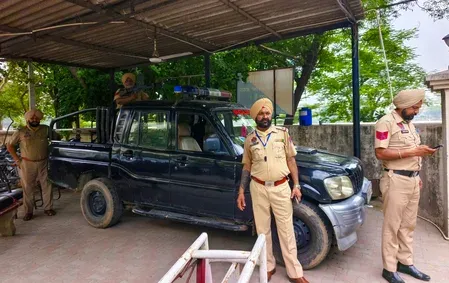
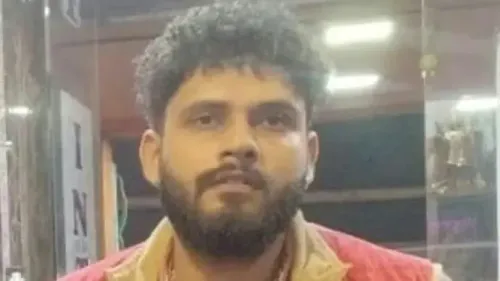
Punjab Police , with central agency support, deported three Bambiha gang operatives — Jaspreet Singh , Ajay Singh , and Pawandeep Singh — from Malaysia on 19 August 2026 .
The trio faced charges including extortion , cross-border arms and narco-trafficking , and a foiled grenade attack in Ludhiana .
Indian agencies have facilitated 51 criminal deportations in 2026 alone, according to the Union Home Ministry .
A total of 274 fugitive criminals have been repatriated from 36 countries between 2019 and July 2026 .
BHARATPOL , launched in January 2025 , connects more than 1,400 law enforcement agencies with INTERPOL .
Legal tools include the Fugitive Economic Offenders Act, 2018 , amended NIA and UAPA provisions, and in-absentia trial clauses under the BNSS .
India's central and state agencies have facilitated the deportation of 51 hardened criminals in 2026 alone, the Union Home Ministry said on Monday, 24 August, after Punjab Police — in coordination with central agencies — secured the return of three operatives of the Davinder Bambiha gang from Malaysia on 19 August. The development marks a significant escalation in India's campaign against transnational organised crime.
The Malaysia Operation
The three deported individuals — Jaspreet Singh, Ajay Singh, and Pawandeep Singh — are accused of multiple serious offences, including extortion, cross-border arms trafficking, narco-trafficking, and a foiled grenade attack in Ludhiana. All three are linked to the Bambiha gang, a transnational criminal network with documented operations across India and Southeast Asia. Upon deportation, the fugitives were handed over to police custody.
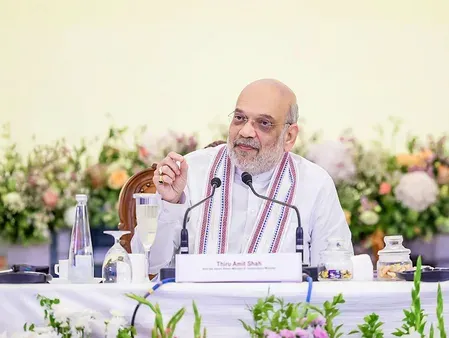
The Home Minister's Office confirmed the operation in a post on its official X handle, stating: 'Indian agencies got three absconding Indian gangsters apprehended in Malaysia, deported them to India, and sent them to police custody.'
Scale of India's Fugitive Deportation Drive
The Ministry of Home Affairs (MHA) said India has successfully repatriated 274 fugitive criminals from 36 countries between 2019 and July 2026. The 51 deportations recorded in 2026 alone suggest the pace of extraditions is accelerating. According to the Ministry, the drive has been built around three pillars: global outreach, stronger inter-agency coordination, and smart diplomacy.
Legal and Institutional Framework
The MHA credited a strengthened legal architecture for enabling these outcomes. Key provisions include the Fugitive Economic Offenders Act, 2018; amendments to the National Investigation Agency (NIA) Act and the Unlawful Activities (Prevention) Act (UAPA) in 2019; and Sections 355 and 356 of the Bharatiya Nagarik Suraksha Sanhita (BNSS), which allow trials in absentia.
Notably, the government launched BHARATPOL in January 2025 — an integrated platform linking more than 1,400 state and central law enforcement agencies with INTERPOL — to strengthen real-time international cooperation in tracking fugitives.
Government's Position on Previous Administrations
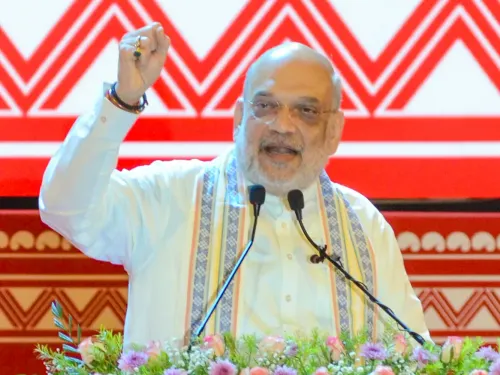
In a statement, the MHA drew a pointed contrast with earlier governments: 'Previous governments lacked the political will to bring back fugitives; the Modi government has made the extradition of fugitives a national priority.' Union Home Minister Amit Shah has characterised the fugitive offender issue as 'intrinsically linked to the country's sovereignty, economic stability, law and order, and national security.'
What This Signals
The 19 August Malaysia operation is the latest in a series of cross-border crackdowns that have targeted gang networks operating from Southeast Asia, Europe, and North America. With BHARATPOL now operational and extradition treaties being actively leveraged, India's enforcement reach beyond its borders is expanding. The next phase is expected to focus on fugitives sheltering in jurisdictions where formal extradition treaties remain absent.
Point of View
But the Home Ministry's framing — contrasting the current government's 'political will' with predecessors' alleged inaction — is as much a political statement as a law-enforcement update. The more durable story is institutional: BHARATPOL's integration of 1,400-plus agencies with INTERPOL represents a structural upgrade that outlasts any single government. The harder test remains fugitives sheltering in countries without extradition treaties with India — a gap no amount of diplomatic messaging has yet closed.
NationPress
24 Aug 2026
Frequently Asked Questions
Who are the three Bambiha gang operatives deported from Malaysia?
The three deported operatives are Jaspreet Singh, Ajay Singh, and Pawandeep Singh, all linked to the Davinder Bambiha gang. They were apprehended in Malaysia and flown back to India on 19 August 2026, where they were handed over to police custody. They face charges including extortion, cross-border arms and narco-trafficking, and a foiled grenade attack in Ludhiana.
How many criminals has India deported in 2026?
According to the Union Home Ministry, Indian agencies have facilitated the deportation of 51 hardened criminals in 2026 alone. This is part of a broader drive that has repatriated 274 fugitive criminals from 36 countries between 2019 and July 2026.
What is BHARATPOL and how does it help track fugitives?
BHARATPOL is an integrated law enforcement platform launched in January 2025 that connects more than 1,400 state and central agencies in India with INTERPOL. It enables real-time information sharing to track and apprehend fugitives sheltering abroad, and is a key component of India's expanded international enforcement reach.
What legal framework does India use to pursue fugitive criminals?
India relies on a combination of the Fugitive Economic Offenders Act, 2018; amended provisions of the NIA Act and UAPA (both 2019); and Sections 355 and 356 of the Bharatiya Nagarik Suraksha Sanhita (BNSS), which permit trials in absentia. These laws, alongside active extradition treaties and international cooperation, form the backbone of India's fugitive repatriation drive.
What is the Davinder Bambiha gang?
The Davinder Bambiha gang is a transnational criminal network with operations documented across India and Southeast Asia. Its members have been linked to extortion, arms trafficking, narcotics smuggling, and targeted violence, including an attempted grenade attack in Ludhiana. Indian authorities have been actively dismantling the network through cross-border operations.