Karnataka draft electoral roll out; 1.08 crore electors flagged as ASDDO
Synopsis
Over 1.08 crore Karnataka voters have been flagged as absent, dead, shifted, or duplicate in the state's draft electoral roll published on 24 August 2026 — the largest voter-list cleansing exercise in the state in recent years. With the final roll due on 27 October, the next 60 days will determine whether millions of names are retained or struck off, making the claims window one of the most consequential periods for Karnataka's electoral integrity.
Key Takeaways
Karnataka's draft electoral roll was published on 24 August 2026 across all 224 Assembly constituencies .
1,07,96,339 electors (roughly 1.08 crore ) have been marked ASDDO — Absent, Permanently Shifted, Dead, Duplicate, or Other.
The largest ASDDO sub-category is permanently shifted at 65,45,679 ; 16,39,864 are recorded as dead.
Total draft electorate stands at 4,46,80,151 , including 2,21,59,240 male and 2,24,73,864 female electors.
Claims and objections can be filed from 24 August to 23 September 2026 ; the final roll is due on 27 October 2026 .
No name can be deleted without a formal inquiry and a speaking order by the ERO or AERO.
The Election Commission of India (ECI) on 24 August 2026 published the draft electoral roll for Karnataka across all 224 Assembly constituencies, marking a critical milestone in the state's Special Intensive Revision (SIR) of voter lists. A total of 1,07,96,339 electors — roughly 1.08 crore — have been flagged as ASDDO (Absent, Permanently Shifted, Dead, Duplicate, or Other), triggering a structured notice-and-verification process before any name can be removed.
Scale of the Revision
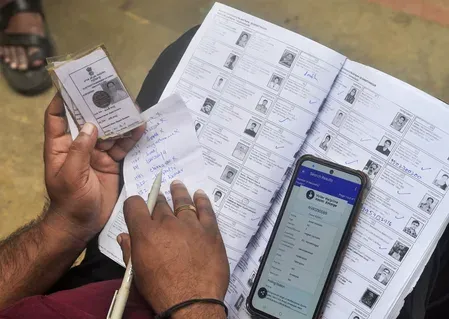
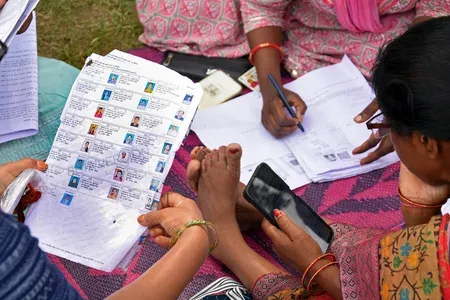
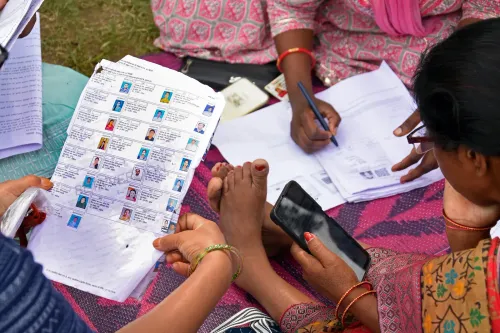
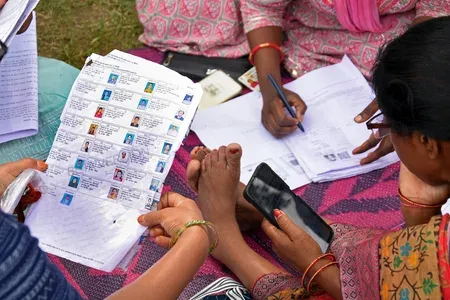
The SIR enumeration phase ran from 30 June to 17 August 2026, with Booth Level Officers (BLOs) conducting house-to-house verification across the state. Karnataka's total registered electorate stood at 5,54,32,314 as on 16 June 2026. Of these, 4,46,35,975 electors — or 80.52 per cent — have been digitised and submitted their Enumeration Forms.
The draft roll reflects 4,46,80,151 total electors, including 44,176 service electors and 951 NRI electors. The general electorate comprises 2,21,59,240 male, 2,24,73,864 female, and 10,871 third-gender electors.
ASDDO Breakdown
Of the 1,07,96,339 electors marked ASDDO, the largest share — 65,45,679 — have been categorised as permanently shifted. Another 16,39,864 are recorded as dead, 15,17,042 as absent, 7,09,870 as already enrolled or duplicate, and 3,83,884 under the 'Other' category.
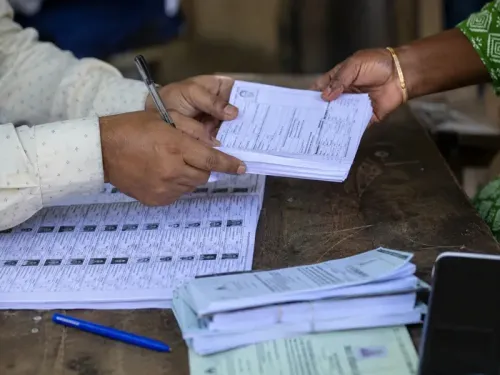
Booth-wise ASDDO lists, along with probable reasons for non-inclusion, have been displayed at respective Electoral Registration Officer (ERO) offices and published on the Chief Electoral Officer's website. These lists have also been shared with Booth Level Agents of recognised political parties for independent verification.
What the Chief Electoral Officer Said
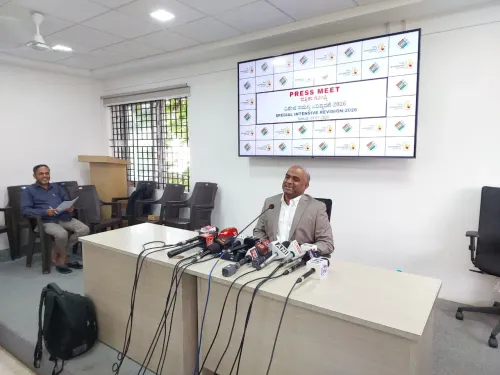
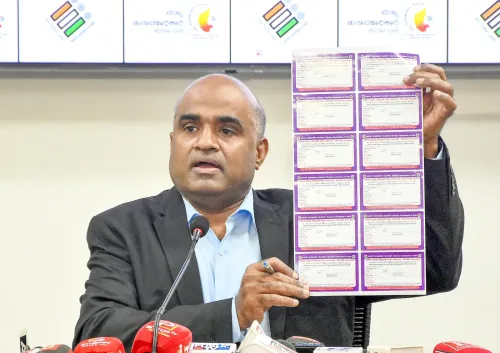
Chief Electoral Officer V. Anbu Kumar, addressing the media, confirmed that the enumeration exercise was completed within the scheduled window. He said: 'As per the directions of the Election Commission of India, the house-to-house enumeration programme was conducted from June 30 to August 17, and today, on August 24, we are publishing the draft electoral roll.'
Kumar also noted that 55.32 per cent of electors — around 2.47 crore voters — had mapped themselves as 'Progeny', while around 1.75 crore had mapped themselves as 'Self'. Approximately 23.42 lakh voters had not provided mapping details.
Safeguards Against Wrongful Deletion
The ECI has underscored that no name can be deleted from the draft roll without a formal inquiry and a fair opportunity being given to the concerned elector. EROs are required to issue notices and pass a speaking order before any deletion. Electors can submit supporting documents during hearings, with the acceptable document list printed on the reverse of the Enumeration Form.
An elector aggrieved by an ERO's decision can appeal to the District Magistrate under Section 24(a) of the Representation of the People Act, 1950, read with Rule 27 of the Registration of Electors Rules, 1960. A second appeal may be filed before the Chief Electoral Officer within 30 days of the District Magistrate's order.
Key Dates and Next Steps
The window for filing claims and objections runs from 24 August to 23 September 2026. The notice phase and disposal of claims will continue through 22 October 2026. The final electoral roll is scheduled for publication on 27 October 2026, with 1 October 2026 as the qualifying date for the revision.
To support the process, around 3,926 additional Assistant Electoral Registration Officers (AEROs) have been identified and instructed to conduct inquiries at the Gram Panchayat level. The ECI has also rationalised polling infrastructure, adding approximately 1,873 new polling stations in Karnataka in line with prescribed norms.
Point of View
It cleans rolls of ghost voters and shifts that distort constituency sizes. Done carelessly, it risks disenfranchising genuine voters who missed the enumeration window or whose BLO visits went unrecorded. The ECI's insistence on a notice-before-deletion protocol is the right safeguard, but the burden of response now falls on electors — many of them elderly, migrant, or digitally excluded — to navigate a 30-day objection window. With 23.42 lakh voters yet to provide mapping details and only 80.52 per cent digitised, the final roll published on 27 October will be the real test of whether this exercise expanded or contracted Karnataka's democratic participation.
NationPress
24 Aug 2026
Frequently Asked Questions
What is the Karnataka draft electoral roll published on 24 August 2026?
It is the draft voter list published by Electoral Registration Officers across all 224 Assembly constituencies in Karnataka as part of the Special Intensive Revision (SIR) of electoral rolls. The draft reflects the outcome of a house-to-house enumeration conducted between 30 June and 17 August 2026.
What does ASDDO mean and how many Karnataka electors are affected?
ASDDO stands for Absent, Permanently Shifted, Dead, Duplicate, or Other — categories used to flag electors whose inclusion in the roll is under review. A total of 1,07,96,339 electors in Karnataka have been marked ASDDO in the current revision cycle.
Can a voter's name be deleted from the Karnataka electoral roll without notice?
No. The Election Commission of India has made it clear that no name can be removed from the draft roll without a formal inquiry and a fair opportunity being given to the elector. EROs must issue a notice and pass a speaking order before any deletion takes effect.
How can Karnataka voters file objections to the draft electoral roll?
Voters can submit claims and objections between 24 August and 23 September 2026 by producing the required documents during hearings at their ERO office. Those aggrieved by an ERO's decision can appeal to the District Magistrate under Section 24(a) of the Representation of the People Act, 1950, and file a second appeal before the Chief Electoral Officer within 30 days of the District Magistrate's order.
When will the final Karnataka electoral roll be published?
The final electoral roll is scheduled for publication on 27 October 2026, with 1 October 2026 as the qualifying date. The notice and disposal phase for claims and objections runs through 22 October 2026.