Fadnavis accuses Congress of 'selective memory' on women's 33% quota
Synopsis
Maharashtra CM Devendra Fadnavis has accused Congress of blocking the very bills designed to fast-track women's 33% reservation before 2029 — even as Congress claims it 'wholeheartedly' backed the 2023 law. The contradiction at the heart of this row: both sides voted for a bill whose own text delayed implementation, and now each blames the other for the gap.
Key Takeaways
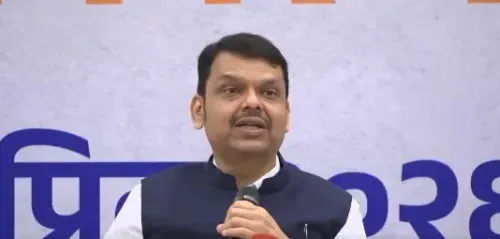
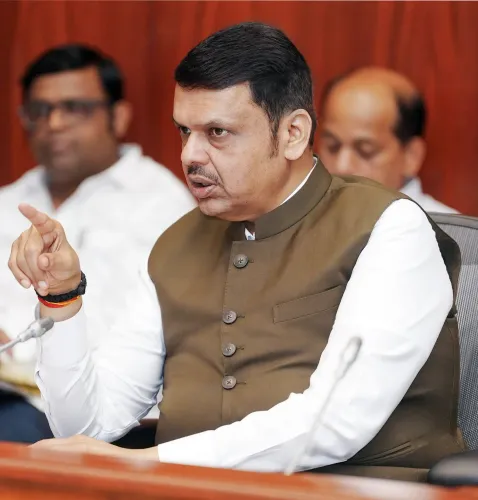
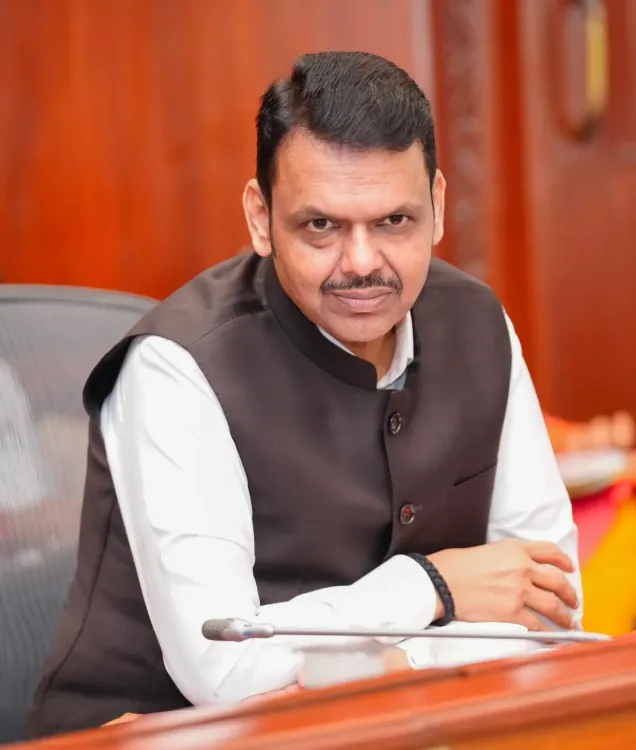
Maharashtra CM Devendra Fadnavis accused Congress of 'selective memory' over the 33 per cent women's reservation on Monday, 24 August .
The Constitution (106th Amendment) Act, 2023 (Nari Shakti Vandan Adhiniyam) ties the quota to a post-Census delimitation exercise, pushing implementation beyond 2029 without further legislation.
The NDA government introduced fresh 2026 constitutional amendment bills to enable delimitation using 2011 Census data , which Congress reportedly opposed.
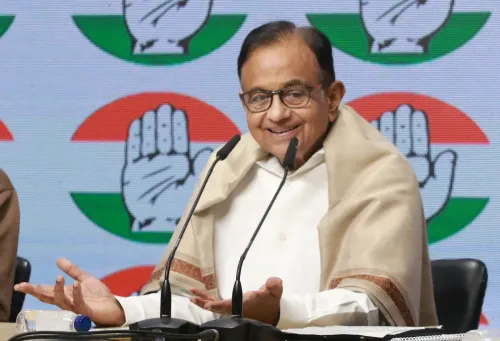
Senior Congress leader P.
Chidambaram countered that Congress 'wholeheartedly supported' the bill in both Houses of Parliament in 2023 .
Both BJP and Congress claim to champion women's reservation; the dispute is over the implementation architecture , not the principle.
Maharashtra Chief Minister Devendra Fadnavis on Monday accused the Indian National Congress (Congress) of practising 'selective memory' and hypocrisy over the implementation of the 33 per cent women's reservation in Parliament and State Legislative Assemblies, escalating a political row that has drawn in senior Congress leader and former Union Minister P. Chidambaram. The exchange centres on the operationalisation of the Constitution (106th Amendment) Act, 2023 — formally titled the Nari Shakti Vandan Adhiniyam.
The Core Dispute
Fadnavis argued that the 2023 legislation explicitly tied the 33 per cent quota to two sequential prerequisites: a post-commencement population Census followed by a delimitation exercise to redraw constituency boundaries. He said that because the national Census was delayed due to the COVID-19 pandemic, conducting a fresh Census and subsequent delimitation would push implementation beyond the 2029 general elections.
To address this, the Bharatiya Janata Party (BJP)-led National Democratic Alliance (NDA) government introduced fresh constitutional amendment bills in 2026, seeking to enable delimitation based on existing 2011 Census data and adjust Lok Sabha seat distributions. Fadnavis contended that Congress opposition to these 2026 bills directly obstructed the fast-tracking of women's reservation ahead of the 2029 Lok Sabha elections.
What the Chief Minister Said
'The moment the real opportunity for early implementation arose, the true colours of the Congress became evident,' Fadnavis stated, reiterating Prime Minister Narendra Modi's commitment to ensuring women's reservation is in place before the 2029 parliamentary elections.
He further alleged that Congress voted for the 106th Amendment Act in 2023 with full knowledge that its text contained the post-Census delimitation clause — effectively, he argued, supporting a bill whose own architecture delayed implementation, then criticising the government for that delay.
Chidambaram's Rebuttal
Chidambaram had earlier pushed back sharply against Fadnavis, stating: 'CM Maharashtra, Mr Devendra Fadnavis, is reported to have said Rahul Gandhi makes big statements about women empowerment on stage. But when it comes to passing the Women's Reservation Bill, he and his party staunchly opposed it. I am sure the statement was due to cognitive fatigue. Because the Constitution (106th Amendment) Bill providing for 33 per cent reservation of seats in the Lok Sabha and the State Legislative Assemblies was passed in Parliament in 2023. The Congress wholeheartedly supported the Bill in both Houses of Parliament.'
Congress leaders, including Chidambaram and Leader of the Opposition in Lok Sabha Rahul Gandhi, have consistently demanded immediate, unconditional implementation — arguing that tying the quota to future delimitation exercises was a design flaw embedded in the government's own 2023 Bill.
The Broader Context
The women's reservation debate has been a recurring flashpoint in Indian politics for nearly three decades. The Nari Shakti Vandan Adhiniyam marked the first time the quota cleared Parliament, yet its implementation architecture — Census-then-delimitation — immediately drew criticism from opposition parties who called it a built-in delay mechanism. This is not the first time the BJP and Congress have traded accusations of bad faith on the issue; similar exchanges followed the bill's passage in September 2023.
With the 2029 elections now the stated deadline, the question of whether the NDA's 2026 amendment bills — and their passage — can deliver on that timeline will remain a live political and constitutional test.
Point of View
And Congress voted for it anyway. Fadnavis is right that opposing the 2026 amendment bills slows implementation, but the BJP authored the original delay mechanism. The real accountability question — why the 2023 Act was not drafted for immediate effect — is being drowned out by a blame exchange that serves both parties' electoral interests heading into 2029.
NationPress
24 Aug 2026
Frequently Asked Questions
What is the Nari Shakti Vandan Adhiniyam?
The Nari Shakti Vandan Adhiniyam is the popular name for the Constitution (106th Amendment) Act, 2023, which reserves 33 per cent of seats in the Lok Sabha and State Legislative Assemblies for women. However, implementation is linked to a post-commencement Census and a subsequent delimitation exercise, meaning it cannot take effect until those steps are completed.
Why has women's reservation not been implemented yet?
The 2023 law requires a fresh national Census followed by a delimitation of constituencies before the quota can be activated. The Census was delayed due to the COVID-19 pandemic, pushing the entire process beyond the 2029 general elections without additional legislation.
What are the 2026 constitutional amendment bills?
The NDA government introduced fresh constitutional amendment bills in 2026 to allow delimitation based on existing 2011 Census data, bypassing the need for a new Census and enabling women's reservation to take effect before the 2029 Lok Sabha elections. Congress's opposition to these bills is the immediate trigger for the current political row.
What is Congress's position on women's reservation?
Congress says it 'wholeheartedly' supported the 2023 bill in both Houses of Parliament and remains committed to women's empowerment. The party has demanded immediate, unconditional implementation and argues that tying the quota to future delimitation was a design flaw in the government's own legislation.
What did Devendra Fadnavis accuse Congress of?
Maharashtra Chief Minister Devendra Fadnavis accused Congress of 'selective memory' and hypocrisy, alleging that the party supported the 2023 law knowing its text built in a delay, and then opposed the 2026 bills that were specifically designed to fast-track implementation before 2029.