Congress Critiques Timing of Women's Reservation Bill
Synopsis
Ajay Singh, a senior Congress leader, questions the BJP government's motives behind the Women's Reservation Bill, highlighting potential delays and political agendas. His remarks emphasize the need for immediate action and women's empowerment amidst ongoing political maneuvers.
Key Takeaways
Ajay Singh questions the timing of the Women's Reservation Bill.
Concerns about political motivations behind the Bill's rollout.
The legislation mandates 33% reservation for women in legislative bodies.
Implementation is contingent on the upcoming census and delimitation.
Calls for immediate action to avoid political flashpoints among women voters.
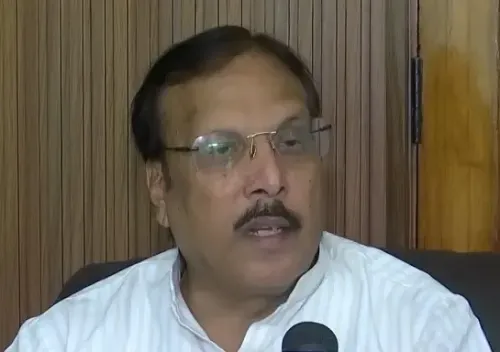
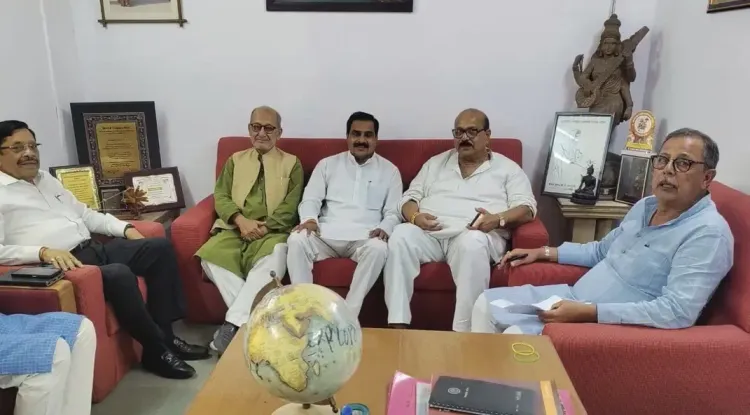
Bhopal, April 15 (NationPress) Senior Congress MLA and former Leader of Opposition in Madhya Pradesh, Ajay Singh, raised concerns on Wednesday regarding the timing and framework of the Women's Reservation Bill. He accused the BJP-led Central government of leveraging the issue for political advantage instead of prioritizing the immediate empowerment of women.
Expressing his support for Sonia Gandhi, Singh noted that her recent involvement has illuminated significant “gaps” in what is being hailed as a transformative reform.
He pointed out that while the government promotes the law as a monumental achievement, the conditions attached to its implementation cast doubt on its true intent.
“The structure of this legislation indicates that the BJP is more focused on media coverage than on real empowerment. Delaying women's rights for years is simply unacceptable,” Singh stated.
The legislation, formally known as the Nari Shakti Vandan Adhiniyam, received parliamentary approval during a special session in September 2023. It mandates a 33 percent reservation for women in the Lok Sabha and state assemblies.
However, its execution is contingent upon the next census and a delimitation process, which critics argue could postpone its activation for several years, Singh explained to reporters in Bhopal on Wednesday.
Singh emphasized that the Congress party has historically supported women's reservation, recalling the Bill's passage in the Rajya Sabha in 2010 under the United Progressive Alliance administration. He accused the BJP, which opposed the initiative at that time, of now “repurposing” the matter without guaranteeing prompt action.
Additionally, he raised alarms about the broader political ramifications of tying the reservation to delimitation. Singh warned that this could disrupt the balance of political representation across different regions.
“Connecting reservation with delimitation is not merely an administrative decision; it carries political implications. It risks creating discrepancies and raises fairness concerns, especially for states with effective population control measures,” he remarked.
Singh further alleged that the Centre's strategy is affected by upcoming elections. “There is a palpable urgency in the announcements, yet a lack of clarity in execution. If the government's intent were honest, they would have ensured immediate implementation,” he continued.
Reiterating his backing for Sonia Gandhi, Singh asserted that the demand is straightforward: eliminate procedural hurdles and implement the quota without delay.
He cautioned that ongoing inaction could escalate the issue into a significant political flashpoint, particularly among women voters who are anticipating real change.
Point of View
Ajay Singh's critique of the Women's Reservation Bill raises essential questions about the true intent behind political actions. The discourse emphasizes the need for genuine empowerment of women rather than political maneuvering, highlighting the complexities surrounding legislative implementation.
NationPress
3 Oct 2026
Frequently Asked Questions
What is the Women's Reservation Bill?
The Women's Reservation Bill, also known as the Nari Shakti Vandan Adhiniyam, mandates a 33% reservation for women in the Lok Sabha and state assemblies.
When was the Women's Reservation Bill passed?
The Bill was passed during a special session of Parliament in September 2023.
What concerns did Ajay Singh raise about the Bill?
Ajay Singh expressed concerns regarding the timing and conditions linked to the Bill's implementation, suggesting it may be used for political gain.
What conditions are tied to the Bill's implementation?
The implementation of the Bill is contingent upon the next census and a delimitation exercise, which critics argue could delay its enforcement.
What are the political implications of linking reservation with delimitation?
Linking reservation with delimitation could disrupt the political representation balance and raise fairness concerns, particularly for states with effective population control.