Uttar Pradesh Eases Wheat Sale Rules for Unregistered Farmers
Synopsis
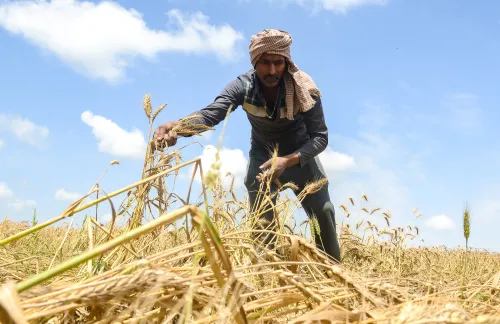
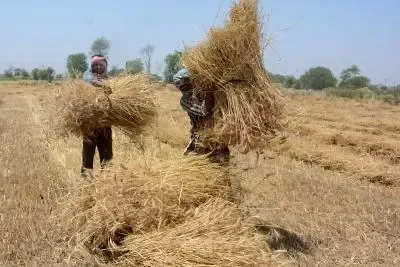
In a significant move to support farmers, the Uttar Pradesh government has lifted registration requirements, allowing unregistered wheat producers to sell their produce at government centers. This change aims to alleviate the burdens on farmers affected by land consolidation.
Key Takeaways
UP government eases wheat procurement rules Unregistered farmers can now sell produce directly Relaxation aims to alleviate farmer distress Immediate implementation by District Magistrates Support for farmers affected by land consolidation
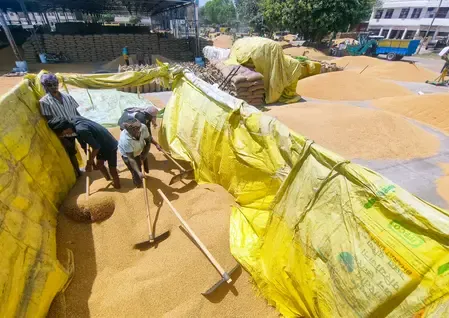
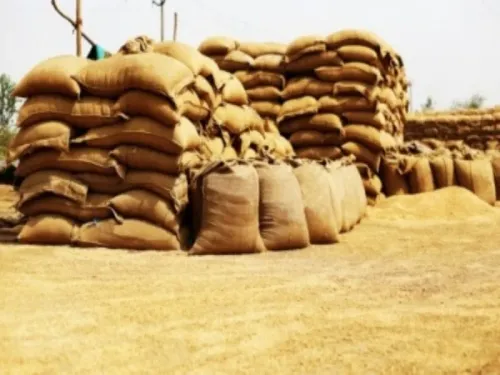
Lucknow, April 20 (NationPress) The government of Uttar Pradesh has announced a significant change that will allow ‘unregistered’ farmers who produce wheat to sell their crops at government procurement centers without prior registration, as stated by officials.
This initiative is viewed as a substantial relief for many in the farming community, eliminating the previous requirement of being registered at government-run centers in order to sell their agricultural products.
Officials familiar with the directive have confirmed that farmers will no longer need a ‘farm registry’ to qualify and can proceed with sales under the existing procurement framework until the new system is implemented.
District Magistrates throughout the state have been directed to promptly carry out these instructions and ensure a streamlined process for all farmers.
This decision comes in response to numerous reports highlighting the challenges and difficulties faced by farmers.
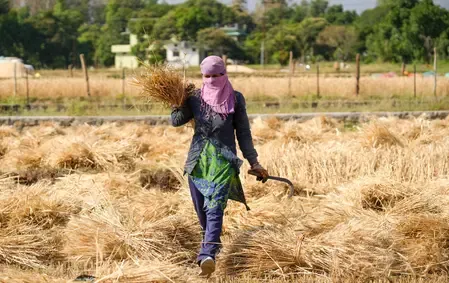
The new directive is particularly beneficial for farmers in areas undergoing ‘Chakbandi’ (land consolidation), many of whom were unable to secure their ‘farmer registry’ certificates due to the ongoing processes in their local Gram Panchayats.
Due to these restrictions, farmers found it challenging to transport their wheat to government centers, often forcing them to sell their harvest to middlemen at drastically reduced prices, exacerbating their financial distress.
As frustrations mounted among farmers, the administration recognized the severity of the situation, resulting in the relaxation of regulations that allows farmers, especially those impacted by ‘Chakbandi’, to adhere to the previous wheat procurement system.
The purpose of this waiver is to ensure that farmers no longer have to navigate unnecessary hurdles to sell their crops and receive the same treatment as registered farmers regarding the Minimum Support Price (MSP) for their wheat.
With the state government's easing of procurement norms, farmers now have the opportunity to bring their produce to government centers using the previously established processes, securing fair prices for their agricultural outputs.
Point of View
The relaxation of procurement norms for unregistered wheat farmers in Uttar Pradesh reflects a responsive governance approach, addressing the needs of the agricultural community. This decision aims to ensure fair access to markets and prices, promoting the welfare of farmers who contribute significantly to the economy.
NationPress
28 Jul 2026
Frequently Asked Questions
What is the new policy for wheat farmers in Uttar Pradesh?
The Uttar Pradesh government has waived the registration requirement for 'unregistered' wheat farmers, allowing them to sell their produce at government procurement centers.
Who will benefit from this decision?
Farmers, particularly those affected by land consolidation processes, will benefit most from this directive as it simplifies the selling process.
Why was this change implemented?
The change was prompted by reports of difficulties faced by farmers in transporting their wheat and selling it at fair prices due to previous registration requirements.
How does this affect the Minimum Support Price (MSP)?
The waiver ensures that unregistered farmers can receive the same treatment as registered farmers in obtaining the Minimum Support Price for their wheat.
When will these changes take effect?
District Magistrates have been instructed to implement the new directives immediately to facilitate easy procurement.