Central Government Alleviates Wheat Procurement Standards, Aiding Rajasthan Farmers Impacted by Unseasonal Weather
Synopsis
In a crucial development for farmers in Rajasthan, the Central government has relaxed wheat procurement norms following adverse weather conditions. This adjustment is expected to provide significant relief to affected farmers, ensuring they can sell their crops without facing severe financial losses.
Key Takeaways
Relaxed procurement norms to assist farmers affected by adverse weather conditions.
Increased limits for grain quality issues to prevent financial losses.
Direct support for millions of farmers in Rajasthan.
Commitment to maintaining Minimum Support Price for crops.
Efforts to ensure smooth procurement operations across the state.
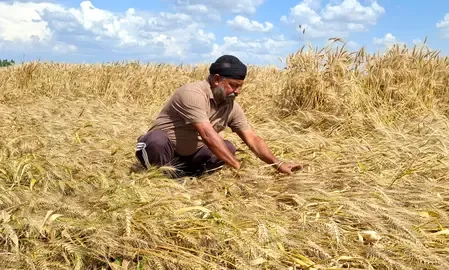
Jaipur, April 9 (NationPress) In a significant move to assist farmers hit by unexpected rains, hailstorms, and challenging weather, the Central government has loosened wheat procurement regulations for the current Rabi season in Rajasthan.
This decision follows the efforts of Lok Sabha Speaker Om Birla, who championed the concerns of farmers and advocated for necessary actions at the central level.
The updated regulations are designed to help farmers avoid financial hardships resulting from weather-related crop losses.
Farmers throughout the state, particularly in the Kota-Bundi area, are anticipated to gain from this adjustment, which allows for more procurement flexibility, even in light of decreased wheat quality.
As per the revised guidelines, the acceptable limit for wheat luster loss has been elevated to 50 percent.
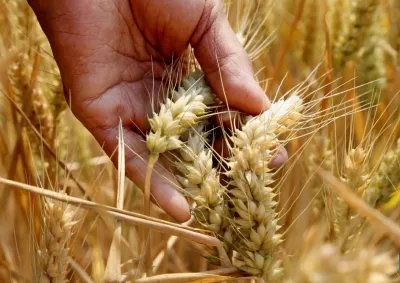
Additionally, the threshold for shriveled and broken grains has been increased to 15 percent, while the total allowable limit for damaged and partially damaged grains is now set at 6 percent. These adjustments address the decline in crop quality attributed to recent rainfall and hail.
The government has reaffirmed its commitment to protecting farmers’ interests and ensuring procurement occurs at the Minimum Support Price. By easing quality standards, the Centre intends to enhance procurement, preventing farmers from having to sell their crops at lower market rates.
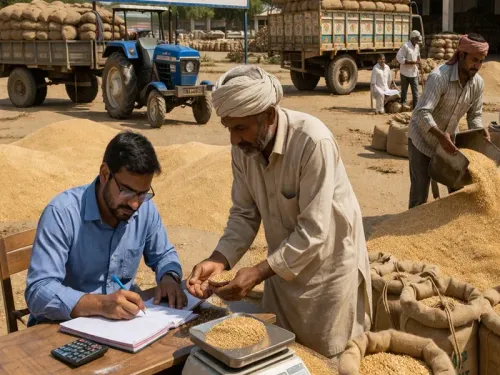
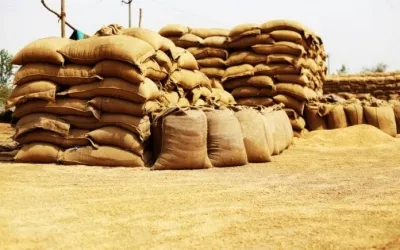
Officials have been directed to facilitate efficient procurement processes at mandis across the state. Proper arrangements are being established to manage the influx of produce and to ensure that farmers experience no difficulties during the procurement phase.
This decision is likely to directly benefit millions of farmers in Rajasthan, offering essential relief during a challenging agricultural period.
Moreover, it will contribute to maintaining stability in the agricultural economy of the state by ensuring that affected crops continue to be accepted under government procurement systems.
With procurement expected to accelerate, this initiative is viewed as a timely response to support farmers and safeguard their livelihoods.
Point of View
This decision by the Central government reflects a responsive approach to addressing the urgent needs of farmers facing adverse weather conditions. By adjusting procurement norms, the government demonstrates its commitment to safeguarding agricultural livelihoods and ensuring economic stability in the sector.
NationPress
14 Sept 2026
Frequently Asked Questions
What recent changes were made to wheat procurement norms?
The Central government has relaxed wheat procurement norms, increasing acceptable limits for crop quality issues, thereby protecting farmers from financial losses due to adverse weather.
Who advocated for these changes?
Lok Sabha Speaker Om Birla played a crucial role in raising farmers' concerns and pushing for these necessary adjustments at the central level.
How will these changes benefit farmers?
The relaxed norms will allow farmers greater flexibility in selling their wheat despite quality declines, helping them avoid selling at lower market prices.
What specific limits have been adjusted?
The allowable limit for loss of luster in wheat has been raised to 50%, while limits for shriveled and broken grains have been set at 15%.
How many farmers are expected to benefit?
The decision is anticipated to directly benefit millions of farmers across Rajasthan, providing significant relief during a difficult agricultural season.