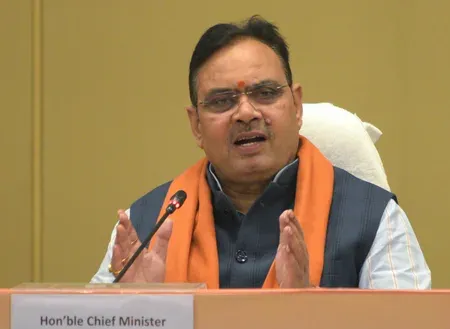
Rajasthan CM Bhajanlal Extends Wheat MSP Procurement to June 19
Synopsis
Rajasthan CM Bhajanlal Sharma has extended wheat MSP procurement for Rabi 2026-27 to 19 June 2026 and raised the state's procurement target from 23.50 lakh to 28.50 lakh metric tonnes, offering registered farmers who missed the earlier window a fresh opportunity to sell at the guaranteed price.
Key Takeaways
The Rajasthan government has extended the wheat MSP procurement deadline for Rabi Marketing Season 2026-27 to 19 June 2026 .
The extension was directed by Chief Minister Bhajanlal Sharma and executed by the Food and Civil Supplies Department .
All registered farmers with unsold wheat can now sell their produce at MSP up to the new deadline.
The state's wheat procurement target has been raised from 23.50 lakh metric tonnes to 28.50 lakh metric tonnes — an increase of 5 lakh metric tonnes .
The move is consistent with a broader pattern of state governments adjusting procurement timelines when market arrivals exceed initial estimates.
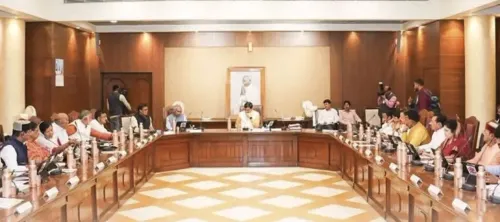
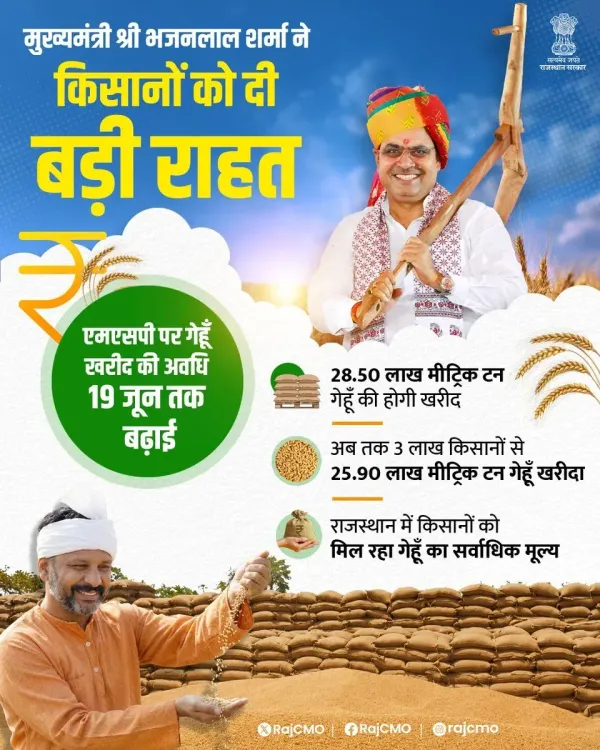
The Chief Minister's Office of Rajasthan announced on Saturday, 13 June 2026 that the state government, under Chief Minister Bhajanlal Sharma, has extended the deadline for wheat procurement at Minimum Support Price (MSP) for the Rabi Marketing Season 2026-27 to 19 June 2026, giving registered farmers who could not sell their produce additional time to do so.
Context
The post states, 'rabi vipanan season 2026-27 ke liye nyuntam samarthan mulya par, gehun kharid ki avadhi badhakr 19 June, 2026 tak kar di hai' — ['the wheat procurement period at Minimum Support Price for the Rabi Marketing Season 2026-27 has been extended to 19 June 2026']. The directive was issued by the Food and Civil Supplies Department of Rajasthan on the instructions of Chief Minister Bhajanlal Sharma. All registered farmers whose wheat remains unsold can now bring their produce to procurement centres up to 19 June.
Alongside the deadline extension, the state government has also raised the wheat procurement target from 23.50 lakh metric tonnes to 28.50 lakh metric tonnes — an increase of 5 lakh metric tonnes. This upward revision signals that market arrivals during the current season have exceeded initial projections.
Policy Backdrop
India's MSP framework for wheat has been in operation since the 1960s, providing a guaranteed floor price to shield farmers from market volatility. The central government fixes the MSP each rabi season, while state governments execute procurement through departmental agencies, cooperatives, and designated mandis.
Rajasthan is a significant wheat-producing state in north-western India, and its Food and Civil Supplies Department is the nodal body for procurement, storage, and public distribution. State-level extensions to procurement windows are a recognised administrative instrument used when arrivals outpace initial timelines or when prices in open markets remain below MSP, risking distress sales by farmers.
Stakeholder Impact
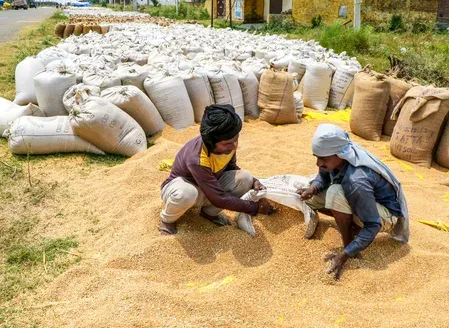
The primary beneficiaries are registered wheat farmers across Rajasthan who had not been able to sell their produce within the earlier procurement window. The extension directly prevents such farmers from being forced into open-market sales at prices potentially below the guaranteed MSP.
The revised target of 28.50 lakh metric tonnes also has implications for procurement agencies, storage infrastructure, and the state's food security buffer. A higher procurement volume strengthens the public distribution pipeline while ensuring more farmer households receive the assured price rather than market-determined rates.
What's Next
The immediate marker to watch is the actual volume of wheat procured by the new deadline of 19 June 2026 — whether the revised target of 28.50 lakh metric tonnes is met will indicate the scale of farmer uptake following this extension. Any further revision to the deadline or target before the season closes would signal continued pressure on the procurement system.
Broader attention will also fall on whether this decision by the Bhajanlal Sharma government feeds into the state's agricultural policy positioning ahead of future administrative cycles, as farmer welfare measures in major crop-producing states carry both economic and political weight.
Point of View
Where states wield administrative levers — deadlines, targets, logistics — even as the MSP itself is set centrally. For a BJP-governed state with a large agrarian electorate, such visible, farmer-facing decisions also serve a clear political communication purpose, reinforcing the 'sensitive governance' narrative the CMO's post explicitly invokes. The real test, however, lies in whether procurement infrastructure can absorb the revised target before the new deadline.
NationPress
15 Sept 2026
Frequently Asked Questions
What is the new deadline for wheat MSP procurement in Rajasthan?
The new deadline for wheat procurement at MSP in Rajasthan for Rabi Marketing Season 2026-27 is 19 June 2026 , extended on the directions of Chief Minister Bhajanlal Sharma.
Who is eligible to sell wheat under the extended MSP window in Rajasthan?
All registered farmers in Rajasthan whose wheat had not been sold within the earlier procurement window are eligible to sell their produce at MSP up to 19 June 2026.
What is the revised wheat procurement target for Rajasthan in 2026-27?
The wheat procurement target for Rajasthan has been revised upward from 23.50 lakh metric tonnes to 28.50 lakh metric tonnes for the current rabi season.
Which department handles wheat MSP procurement in Rajasthan?
The Food and Civil Supplies Department of the Rajasthan government is the nodal department for wheat procurement at MSP, operating under the state's public distribution and foodgrain management framework.
Why do state governments extend wheat MSP procurement deadlines?
State governments typically extend procurement deadlines when market arrivals exceed initial estimates or when open-market prices fall below MSP, to prevent farmers from resorting to distress sales below the guaranteed price.