How is the High-level US Delegation Strengthening Defence Ties with India?
Synopsis
A high-level US delegation, including Ambassador Sergio Gor and Admiral Samuel J Paparo, visited the Indian Army's Western Command, highlighting the growing military collaboration and shared security interests between India and the US amidst evolving regional challenges.
Key Takeaways
Strengthened military ties between India and the US.
Focus on strategic security dynamics along India's Western Front.
Operational readiness and preparedness against contemporary threats.
Importance of dialogue and intelligence sharing for mutual confidence.
Continued engagements in defense diplomacy.
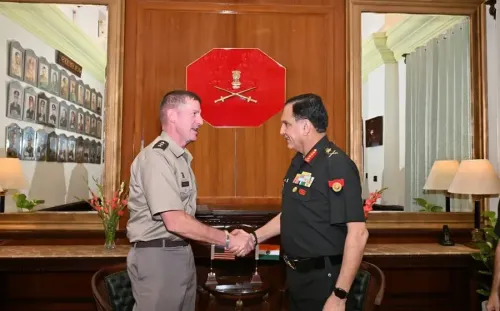
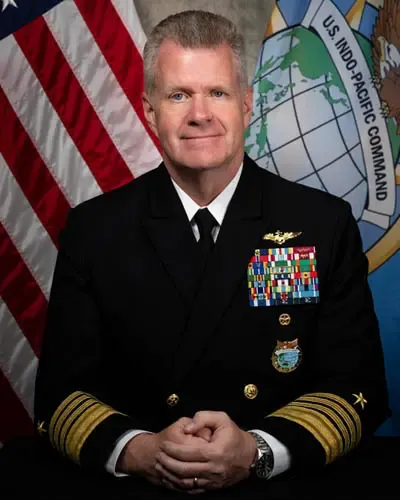
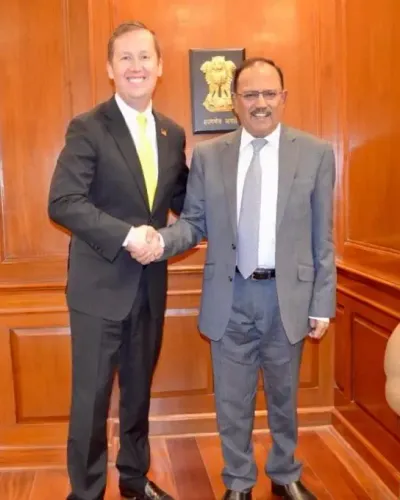
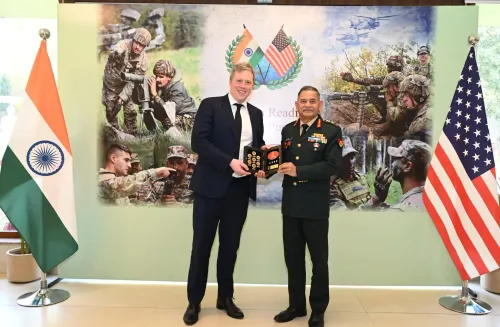
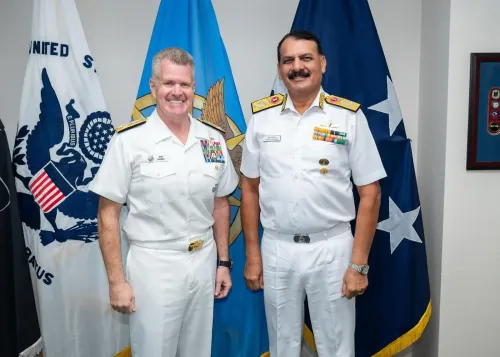
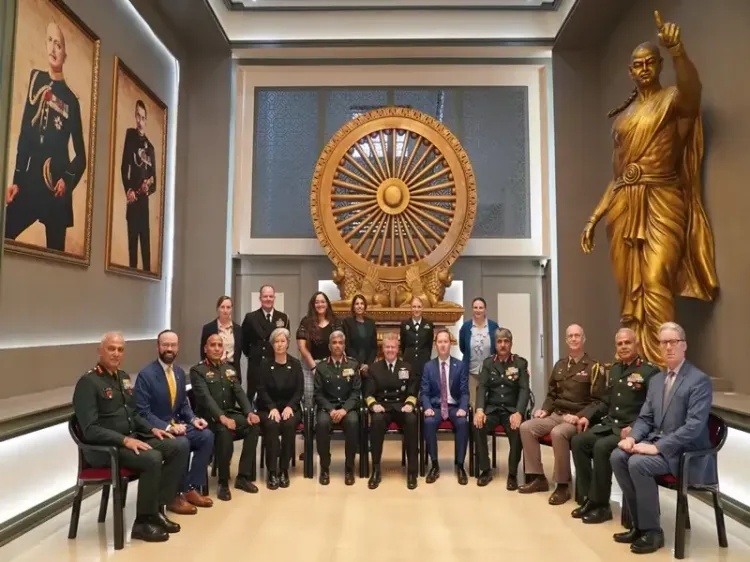
New Delhi, Feb 16 (NationPress) In a noteworthy indication of the strengthening military collaboration between India and the United States, US Ambassador to India, Sergio Gor, along with Admiral Samuel J Paparo, the Commander of the US Indo-Pacific Command, paid a visit to the headquarters of the Indian Army's Western Command this past Monday.
This visit signifies the escalating strategic alignment between the two nations, particularly in the face of emerging security challenges in the region.
The delegation had extensive discussions with Lieutenant General Manoj Kumar Katiyar, PVSM, UYSM, AVSM, who serves as the Army Commander of the Western Command.
As noted in an official communication from the Indian Army's Western Command on X, the dialogue centered around the strategic security dynamics along India's Western Front.
On February 16, 2026, the Indian Army Western Command shared on X: "US Ambassador to India, Sergio Gor, and SINDOPACOM Commander, Adm Samuel J Paparo visited HQ Western Command and engaged in substantive discussions with Lt Gen Manoj Kumar Katiyar on strategic security dynamics along India’s Western Front."
The American delegation received a thorough briefing regarding the operational readiness of the formation, its rich legacy of service, the implementation of Operation Sindoor, and the extensive contributions of the Indian Army toward nation-building and regional stability.
The Western Front, managed by the Chandigarh-based headquarters, bears critical responsibility for safeguarding India's borders, especially along the frontier with Pakistan.
The briefing underscored the command's preparedness to tackle contemporary threats, including advancements in drone warfare and other emerging domains, while leveraging historical successes to strategize for the future.
The post also stated: "The delegation was thoroughly briefed on the Western Front perspective, including operational preparedness, distinguished legacy, execution of Op SINDOOR, and the vital role played by the Indian Army in nation-building and reinforcing regional stability."
This engagement occurs at a pivotal moment as India and the United States progress their defense partnership under frameworks like the newly formalized ten-year Defence Framework Agreement.
Ambassador Gor, who arrived in Chandigarh earlier in the day, expressed enthusiasm for the visit, emphasizing the limitless potential of bilateral relations.
Admiral Paparo's presence, representing the US Indo-Pacific Command, illustrates Washington's commitment to enhancing interoperability and shared security interests across the broader Indo-Pacific landscape, with implications that extend to stability along India's western borders.
Lieutenant General Katiyar, a highly experienced officer, led the discussions, offering insights into the Indian Army's extensive role beyond conventional defense.
This encompasses contributions to disaster response, infrastructure development in border areas, and building community trust, all of which enhance national resilience and promote regional peace.
The visit is significant in fostering mutual confidence to tackle shared challenges through dialogue, intelligence sharing, and joint preparedness.
As both countries navigate intricate geopolitical landscapes, such high-level military exchanges are deemed crucial for establishing trust and aligning capabilities.
The itinerary for the delegation includes additional engagements in India, with Admiral Paparo scheduled to proceed to Bengaluru, further indicating sustained momentum in defense diplomacy.
Point of View
The increasing military cooperation between India and the United States signifies a strategic alignment that is essential for both nations in the face of evolving global security challenges. It is imperative that such engagements continue to foster trust and collaboration, ensuring a stable regional environment.
NationPress
1 Oct 2026
Frequently Asked Questions
What was the purpose of the US delegation's visit?
The visit aimed to strengthen military ties and discuss strategic security dynamics between India and the United States.
Who were the key figures in the US delegation?
The delegation included US Ambassador to India Sergio Gor and Admiral Samuel J Paparo, Commander of the US Indo-Pacific Command.
What topics were discussed during the meetings?
Discussions focused on operational readiness, security dynamics along India's Western Front, and collaborative defense strategies.
How does this visit impact India-US relations?
This visit underscores the deepening defense partnership and mutual commitment to addressing regional security challenges.
What is the significance of the Western Command?
The Western Command is crucial for safeguarding India's borders, particularly along the frontier with Pakistan.