Uttarakhand CM Office: Chamoli woman builds dairy livelihood via REAP
Synopsis
The Uttarakhand CM's Office on 25 September 2026 shared how Lakshmi Devi of Chamoli's Kanoth village used the REAP scheme's Ultra Poor Package to establish a dairy business, spotlighting women-led rural livelihood development in the state's hilly districts.
Key Takeaways
Lakshmi Devi of Kanoth village, Chamoli , is the highlighted beneficiary of the state's ultra-poor welfare outreach.
She received financial assistance under the Ultra Poor Package of the Gramotthan Project (REAP) , an Uttarakhand rural development scheme.
The support enabled her to establish a dairy business as a stable, self-sustaining livelihood.
Chamoli district features hilly terrain that limits conventional employment, making dairy farming a practical income option.
The Uttarakhand government regularly amplifies individual beneficiary stories to demonstrate implementation of poverty-reduction programmes.
Women-led dairy micro-enterprises are a core pillar of the state's rural self-employment strategy in remote districts.
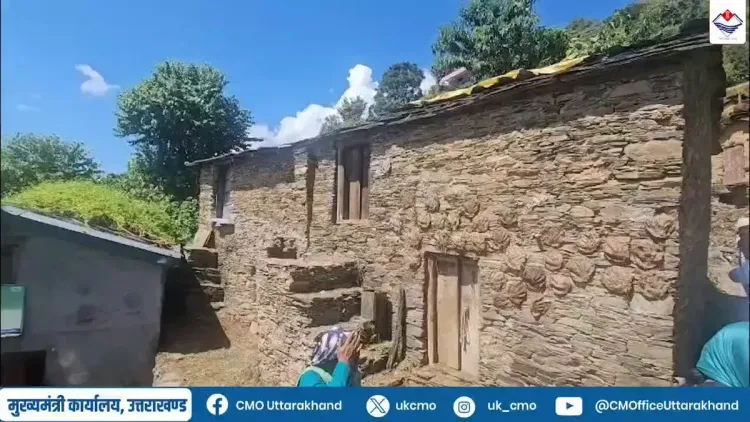
A small village in the Chamoli hills, a government scheme, and one woman's resolve — this is how poverty reduction looks on the ground in Uttarakhand. The Chief Minister's Office of Uttarakhand on Friday, 25 September 2026, spotlighted Lakshmi Devi of Kanoth village, Chamoli district, whose dairy business now stands as a model of what targeted financial support can achieve for ultra-poor rural households.
The post, shared in Hindi, states: 'Chamoli ke Kanoth gaon ki Lakshmi Devi ne Gramotthan Pariyojana yani REAP ke antargat Ultra Poor Package se vittiya sahayata pakar dairy vyavsay ko apni aajivika ka mazboot aadhar banaya hai' — 'Lakshmi Devi of Kanoth village, Chamoli, has made dairy farming the strong foundation of her livelihood after receiving financial assistance under the Ultra Poor Package of the Gramotthan Project, known as REAP.'What the Gramotthan Project (REAP) actually does
The Gramotthan Project (REAP) is an Uttarakhand rural development initiative that channels financial packages directly to ultra-poor families, enabling self-employment activities — with dairy farming among the most viable options in the state's hilly districts. The scheme's 'Ultra Poor Package' is designed for households that sit below conventional poverty-alleviation thresholds, giving them a structured entry point into income generation.
Chamoli, a district defined by rugged Himalayan terrain and dispersed settlements, is precisely the kind of geography where standard employment pathways remain limited. Dairy-based livelihoods fit the landscape — they require modest capital, leverage existing land, and generate daily income. For women in particular, they offer work within or close to home, a practical advantage in remote villages.
Women-led micro-enterprises at the centre of state strategy
Lakshmi Devi's story is not an isolated highlight — it reflects a deliberate pattern. The Uttarakhand government has consistently used women-led dairy and agri-allied micro-enterprises as the backbone of its rural poverty reduction push in hilly areas. By amplifying individual beneficiary journeys through official channels, the state signals both political accountability and on-the-ground implementation.
The broader emphasis on targeted packages for the ultra-poor places this effort within a wider national conversation about last-mile welfare delivery — moving beyond cash transfers to building durable livelihood assets. A dairy animal, once acquired, compounds: it produces milk, income, and the confidence to invest further.
For villages like Kanoth, where the distance to a government office or a bank branch can mean half a day's travel, a scheme that comes to the beneficiary — rather than waiting for the beneficiary to navigate bureaucracy — is the difference between reach and rhetoric. Lakshmi Devi's dairy business is that difference, made real.
Point of View
Not just claim, last-mile welfare delivery. Lakshmi Devi's story also underscores Uttarakhand's bet on women-led micro-enterprises as a durable poverty-exit pathway, distinct from one-time cash transfers. Within the wider national policy arc on ultra-poor targeting, this kind of asset-building approach — where a scheme funds a productive asset like livestock — represents a more ambitious intervention than subsidy alone. The political dividend, however, accrues only if schemes like REAP scale beyond showcase stories into systematic district-wide coverage.
NationPress
25 Sept 2026
Frequently Asked Questions
What is the Gramotthan Project or REAP in Uttarakhand?
The Gramotthan Project, known as REAP, is an Uttarakhand state rural development initiative that provides financial packages to ultra-poor households for self-employment activities such as dairy farming, helping them build sustainable livelihoods.
Who is Lakshmi Devi from Chamoli?
Lakshmi Devi is a resident of Kanoth village in Chamoli district, Uttarakhand, who received financial assistance under the REAP scheme's Ultra Poor Package and used it to establish a dairy business as her primary livelihood.
What is the Ultra Poor Package under REAP?
The Ultra Poor Package is a component of Uttarakhand's Gramotthan Project (REAP) targeting households below standard poverty-alleviation thresholds, offering them structured financial support to enter self-employment and build income-generating assets.
Why is dairy farming promoted as a livelihood in Chamoli?
Chamoli is a hilly Himalayan district where conventional employment is limited. Dairy farming requires modest capital, works with available land, and generates daily income — making it a practical fit for women-led micro-enterprises in remote villages.
How does the Uttarakhand government support women's self-employment in rural areas?
The state channels targeted financial support through schemes like REAP to ultra-poor women for dairy and agri-allied activities, and regularly publicises individual beneficiary success stories to demonstrate implementation of its rural poverty reduction programmes.