Uttarakhand CM Office Hikes SDRF Relief Rates Across Sectors
Synopsis
Uttarakhand has revised SDRF disaster relief norms across housing, fisheries, infrastructure and handicrafts. Fully destroyed hill-area homes now fetch ₹1.70 lakh; new boat grants rise to ₹19,000. Secretary Vinod Kumar Suman has directed swift, transparent disbursement to affected communities.
Key Takeaways
Fully destroyed houses in hilly/difficult terrain now receive ₹1.70 lakh , up from ₹1.30 lakh ; plains units rise from ₹1.20 lakh to ₹1.60 lakh .
New boat grants for fishermen increase from ₹15,000 to ₹19,000 ; fish seed subsidies rise to ₹13,000 per hectare .
Handicraft and handloom artisan tool and raw material assistance raised from ₹5,000 to ₹6,500 .
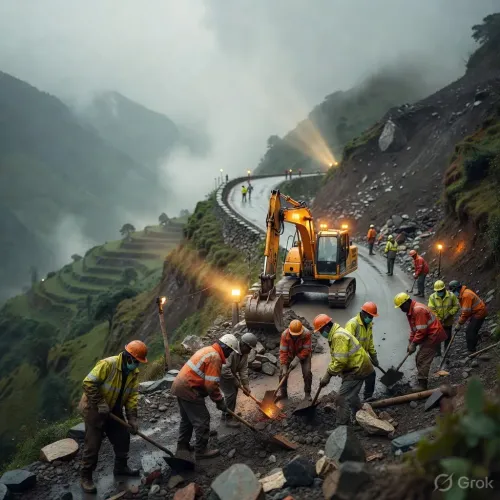
Mountain road repair support climbs to ₹1.60 lakh per km ; drinking water unit restoration to ₹2.60 lakh per unit .
School buildings, health centres, and panchayat assets each now attract up to ₹3.20 lakh per unit in repair support.
Secretary Vinod Kumar Suman has directed departments and district administrations to disburse revised benefits quickly and transparently.
Every flood season, every landslide, every cloudburst leaves Uttarakhand families waiting — waiting for relief that rarely matches what it costs to rebuild. That wait just got a little shorter. The Chief Minister's Office of Uttarakhand announced sweeping upward revisions to disaster relief assistance norms on Wednesday, November 11, 2026, covering housing, fisheries, handicrafts, and public infrastructure — with the revised rates now aligned to updated central government standards under the State Disaster Response Fund (SDRF).
Houses and Huts: What Disaster Victims Will Now Receive
The headline numbers for housing are significant. For a fully destroyed house in plains areas, assistance rises from ₹1.20 lakh to ₹1.60 lakh per unit. In hilly and difficult terrain — which defines much of Uttarakhand — the rate climbs from ₹1.30 lakh to ₹1.70 lakh per unit. Partially damaged pucca (permanent) structures will now draw ₹8,500 against the earlier ₹6,500, while kutcha (temporary) houses move from ₹4,000 to ₹5,500.
The smallest and most vulnerable dwellings are also covered. Fully destroyed huts (jhopdi) now attract ₹10,500, up from ₹8,000. Destroyed cattle sheds (pashushala) see support rise from ₹3,000 to ₹4,000 — a critical provision in a state where livestock is both livelihood and survival.
Fishermen and Artisans: Livelihoods in the Revised Rate Card
Uttarakhand's rivers sustain fishing communities whose tools are as vulnerable to floods as their homes. Boat repair assistance jumps from ₹6,000 to ₹8,000, while the grant for a new boat rises steeply from ₹15,000 to ₹19,000. Net repair support moves from ₹3,000 to ₹4,000, and the allowance for a new net goes from ₹4,000 to ₹5,100. Fish seed and input subsidies are revised upward from ₹10,000 to ₹13,000 per hectare.
Handicraft and handloom artisans — a constituency central to Uttarakhand's mountain economy — will receive ₹6,500 for tools and raw materials, against the previous ₹5,000.
Roads, Bridges, Schools, and Health Posts: Infrastructure Gets a Bigger Safety Net
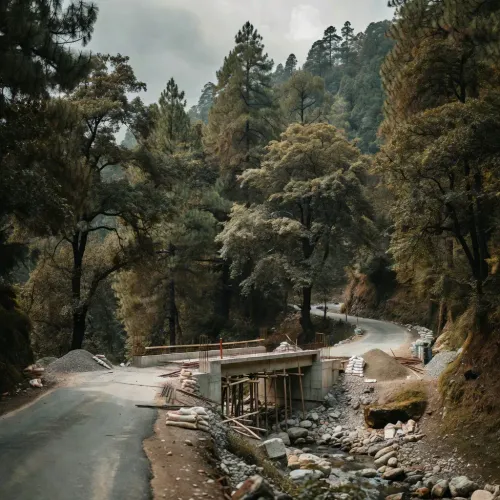
Public infrastructure repair norms see some of the sharpest absolute increases. State highways and major district roads in plains areas will attract ₹1.30 lakh per km (up from ₹1 lakh); in mountain areas, the rate rises from ₹1.25 lakh to ₹1.60 lakh per km. Rural and village roads (including culverts) climb from ₹60,000 to ₹80,000 per km in plains and from ₹75,000 to ₹1 lakh per km in hill zones.
Drinking water scheme restoration gets ₹2.60 lakh per unit, up from ₹2 lakh. Minor irrigation works see the same jump — from ₹2 lakh to ₹2.60 lakh per work. On the electricity front, power pole support rises from ₹5,000 to ₹6,500 per pole, LT line repair assistance from ₹50,000 to ₹70,000 per km, and damaged distribution transformers will now fetch ₹1.30 lakh against the earlier ₹1 lakh.
For community services, school building damage support doubles in real terms — from ₹2 lakh to ₹2.60 lakh per building. Primary and community health centres attract the same revised rate. Panchayat and community assets move from ₹2.50 lakh to ₹3.20 lakh per unit.
Vinod Kumar Suman's Directive: Speed, Transparency, Impact
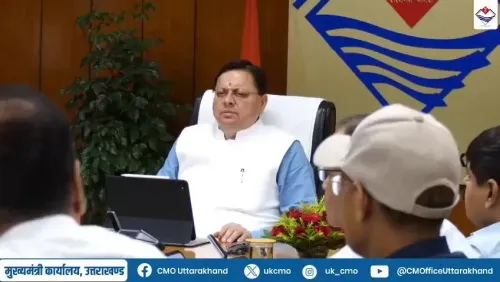
Secretary of Disaster Management and Rehabilitation, Vinod Kumar Suman, stated that the revised central norms will enable 'more effective conduct of relief and reconstruction work in disaster-affected areas of the state.' He added that departments and district administrations will receive necessary guidelines to deliver the benefits to affected people 'quickly, transparently, and effectively.'
Uttarakhand's topography makes this more than a bureaucratic rate revision. The state faces floods, cloudbursts, and landslides year after year, and SDRF norms that lag inflation leave reconstruction perpetually underfunded. Getting the numbers right — and the disbursal machinery faster — is the whole game.
Point of View
Leaving states to manage the gap politically and fiscally. By aligning with updated central norms, the Pushkar Singh Dhami government addresses a persistent grievance among mountain communities who have seen relief payouts feel increasingly inadequate against rising construction costs. The explicit instruction to district administrations for 'quick and transparent' delivery signals an awareness that revised rates mean little without disbursal speed — the persistent weak link in India's disaster relief chain. Whether the revised framework translates into measurable ground-level outcomes will depend on the operational guidelines and audit mechanisms that follow.
NationPress
11 Nov 2026
Frequently Asked Questions
What is the new SDRF relief amount for a fully destroyed house in Uttarakhand's hilly areas?
Under the revised norms, a fully destroyed house in hilly or difficult terrain in Uttarakhand now qualifies for ₹1.70 lakh in relief assistance, increased from the earlier ₹1.30 lakh .
How much relief will Uttarakhand fishermen get for a new boat after a disaster?
Fishermen in Uttarakhand can now receive ₹19,000 for a new boat under the revised SDRF norms, up from the previous ₹15,000 .
What is SDRF and why does Uttarakhand revise its norms?
The State Disaster Response Fund (SDRF) is a central government mechanism that funds disaster relief in Indian states. Uttarakhand periodically revises its assistance rates to align with updated central norms, ensuring relief amounts keep pace with rising reconstruction and input costs, especially given the state's vulnerability to floods and landslides.
What is the new relief amount for damaged school buildings in Uttarakhand?
The revised norms raise disaster relief for damaged school buildings from ₹2 lakh to ₹2.60 lakh per building — the same revised rate that also applies to primary and community health centres.
Who oversees disaster relief disbursement in Uttarakhand?
Vinod Kumar Suman , Secretary of Disaster Management and Rehabilitation, Uttarakhand, oversees the revised norms. He has stated that departments and district administrations will receive guidelines to ensure swift, transparent, and effective delivery to disaster-affected people.