Uttarakhand CM Office Sanctions ₹44.96 Cr for Solar Projects
Synopsis
The Uttarakhand Chief Minister's Office has sanctioned ₹38 crore for solar high-mast lighting systems — releasing ₹15.20 crore as a first instalment — and ₹6.76 crore for solar water heaters on government buildings, both to be implemented by UREDA.
Key Takeaways
₹38 crore sanctioned for solar high-mast lighting installations across Uttarakhand, with a first instalment of ₹15.20 crore approved. ₹6.76 crore separately sanctioned for solar water heater systems on government buildings under UREDA.
Total combined sanction stands at ₹44.96 crore .
UREDA (Uttarakhand Renewable Energy Development Agency) is the implementing agency for both schemes.
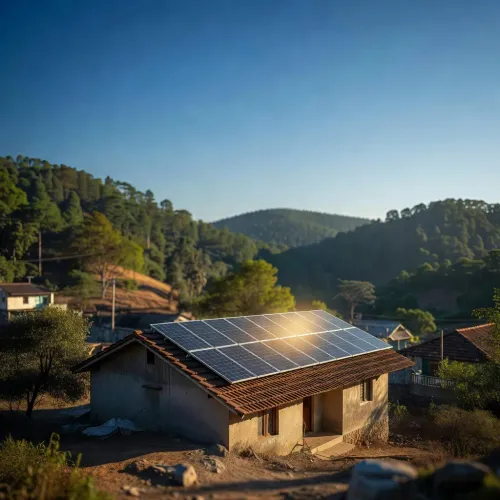
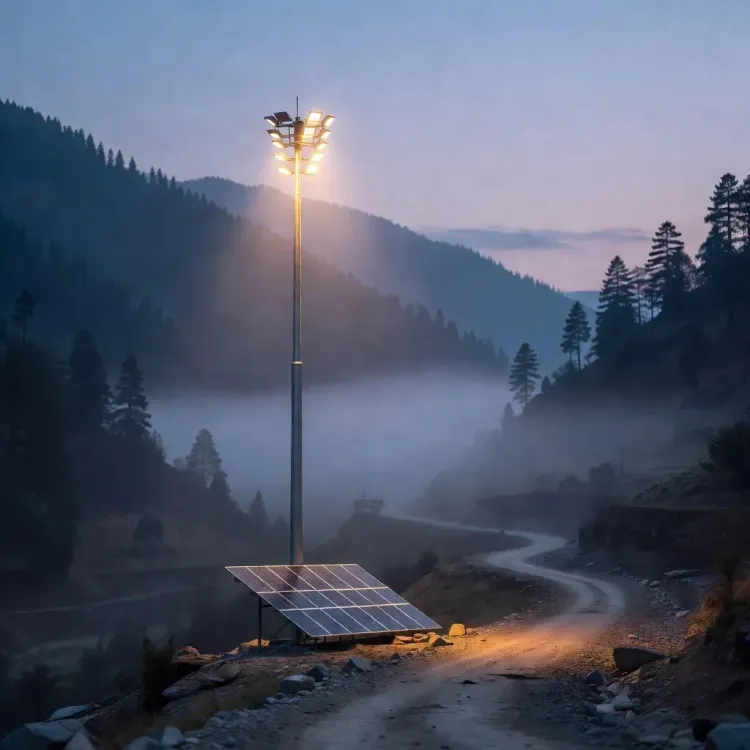
Solar high-mast lighting targets remote and poorly-lit localities where grid extension is difficult due to Uttarakhand's mountainous terrain.
The sanctions align with India's national goal of 500 GW non-fossil fuel capacity by 2030 .
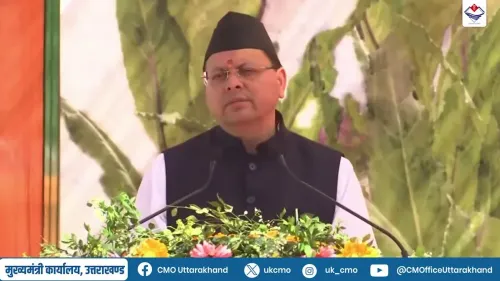
The Chief Minister's Office of Uttarakhand announced on 25 June 2026 that the state government has sanctioned a combined outlay of ₹44.96 crore for two solar energy initiatives — solar high-mast lighting systems and solar water heaters on government buildings — to be implemented through the Uttarakhand Renewable Energy Development Agency (UREDA).
What Was Sanctioned
The state has approved ₹38 crore for the installation of solar high-mast lighting systems (solar high mast sanyantra), with a first instalment of ₹15.20 crore released immediately. Separately, ₹6.76 crore has been sanctioned for the installation of solar water heater systems on government buildings under UREDA's ambit. Together, the two sanctions total ₹44.96 crore.
Context
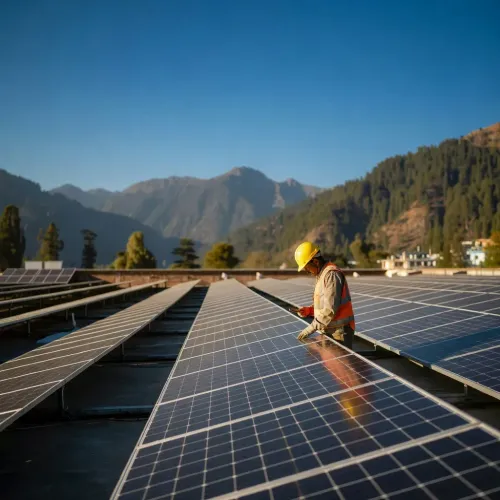
UREDA is Uttarakhand's nodal agency for renewable energy implementation, covering solar, micro-hydro and other clean energy programmes across the state. The twin sanctions reflect a deliberate push to deploy decentralised solar infrastructure — both for public lighting and for meeting the hot-water needs of government facilities — without depending on grid extension in the state's difficult mountain terrain.
Uttarakhand's geography, with large swathes of remote and high-altitude settlements, makes solar high-mast lighting a practical security and utility solution where conventional grid infrastructure is expensive or unreliable. Solar water heaters on government buildings similarly reduce recurring electricity bills for the state exchequer.
Policy Backdrop
India's Jawaharlal Nehru National Solar Mission, launched in 2010, catalysed state-level programmes for off-grid and grid-connected solar applications, encouraging hill states like Uttarakhand to build solar capacity suited to local conditions. The current sanctions align with India's national target of 500 GW non-fossil fuel electricity capacity by 2030, to which every state-level deployment contributes.
Indian states have progressively expanded decentralised solar installations on public buildings and in remote locations as a cost-effective strategy to improve energy access. Uttarakhand's phased instalment approach — releasing ₹15.20 crore as a first tranche against the ₹38 crore high-mast sanction — is consistent with standard state financial management practice for infrastructure rollouts.
Stakeholders and Impact
The primary beneficiaries of solar high-mast systems are remote villages and semi-urban localities in Uttarakhand that currently have limited or no reliable public lighting. Better-lit public spaces directly improve safety, particularly for women and children in isolated areas. Government departments housed in state-owned buildings stand to benefit from reduced energy costs through the solar water heater programme.
UREDA will oversee procurement, installation and commissioning for both schemes, acting as the implementing agency accountable for spending the sanctioned funds in subsequent financial cycles.
What's Next
The key milestones to watch are the physical installation progress of the high-mast systems and water heaters, and the release of the remaining ₹22.80 crore balance under the high-mast sanction in subsequent instalments. UREDA's implementation reports and any additional budget releases in the current financial year will indicate whether the rollout stays on schedule. Sustained execution of these sanctions would strengthen Uttarakhand's renewable energy credentials ahead of national progress reviews on the 500 GW target.
Point of View
Not merely an environmental one — addressing public safety through high-mast lighting and cutting state energy bills through solar water heaters. The phased instalment structure for the larger ₹38 crore high-mast outlay reflects fiscal discipline while keeping implementation momentum alive. Positioned against India's 500 GW clean energy target, state-level sanctions of this kind are the building blocks that determine whether national ambitions translate into ground-level reality. For a hill state like Uttarakhand, where terrain limits conventional infrastructure, solar deployment also doubles as an equity measure for remote communities.
NationPress
25 Jun 2026
Frequently Asked Questions
How much has Uttarakhand sanctioned for solar high-mast lighting?
Uttarakhand has sanctioned ₹38 crore for solar high-mast lighting systems, with a first instalment of ₹15.20 crore approved for immediate release.
What is UREDA and what is its role in these solar projects?
UREDA stands for Uttarakhand Renewable Energy Development Agency. It is the state's nodal agency for implementing solar, micro-hydro and other renewable energy projects, and will oversee both the high-mast lighting and solar water heater schemes.
What are solar high-mast systems and why does Uttarakhand need them?
Solar high-mast systems are tall lighting structures powered by solar panels, used to illuminate large open areas without relying on the grid. In Uttarakhand, they are particularly useful for remote villages in mountainous terrain where extending the conventional electricity grid is costly and difficult.
How much money has been sanctioned for solar water heaters on government buildings in Uttarakhand?
₹6.76 crore has been sanctioned for installing solar water heater systems on government buildings under UREDA's programme.
How do these sanctions connect to India's national renewable energy goals?
India aims to achieve 500 GW of non-fossil fuel electricity capacity by 2030. State-level solar installations sanctioned through agencies like UREDA contribute to this national target by expanding decentralised clean energy capacity.