Uttarakhand CM Office: Saras Mela Brings Rural Women to Almora
Synopsis
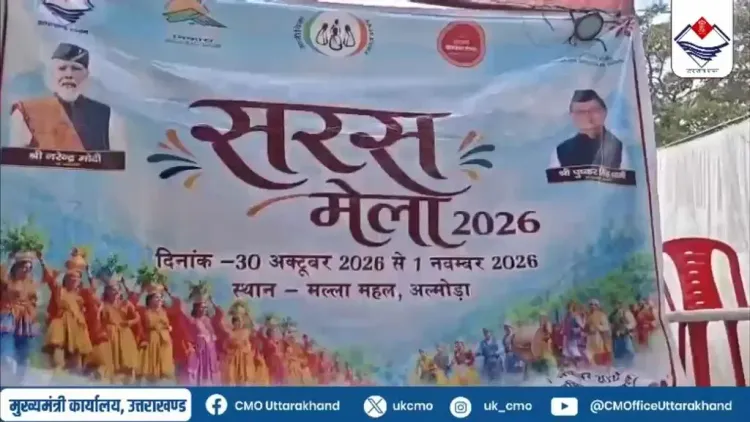
The Uttarakhand Chief Minister's Office announced a Saras Mela at Almora's historic Malla Mahal from 30 October to 1 November 2026, providing self-help group women and rural entrepreneurs a dedicated platform to sell and market locally made products from the Kumaon hill region.
Key Takeaways
Saras Mela is being held at Malla Mahal, Almora from 30 October to 1 November 2026 .
The fair gives self-help group women and rural entrepreneurs direct access to buyers for locally made products.
The event is rooted in the National Rural Livelihoods Mission (2011) , which mandates market-linkage support for SHGs.
Almora's heritage venue boosts natural footfall, combining cultural tourism with rural livelihood promotion.
Uttarakhand regularly uses Saras Melas in hill districts to bridge the gap between rural producers and urban or tourist buyers.
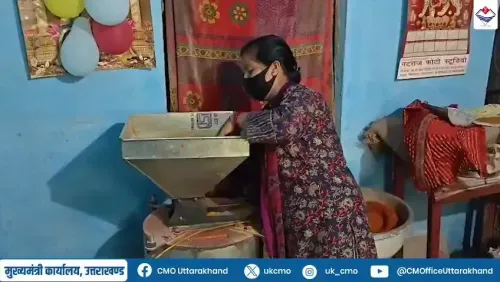
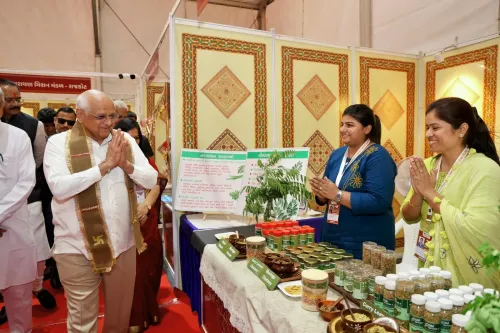
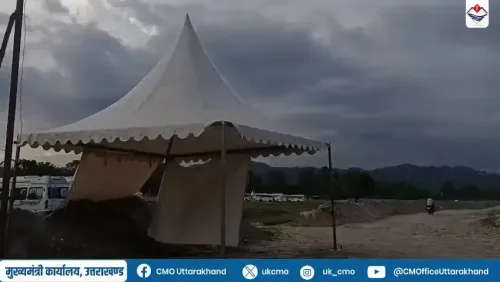
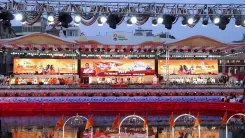
At the foot of the Himalayas, inside a centuries-old palace, hundreds of women entrepreneurs are laying out their wares — and the Uttarakhand government is making sure buyers show up. The Chief Minister's Office of Uttarakhand announced on 31 October 2026 that a Saras Mela is underway at the historic Malla Mahal in Almora district, running from 30 October to 1 November, giving self-help group members and rural entrepreneurs a live marketplace for locally made products.
Malla Mahal as a marketplace: heritage meets livelihood
The choice of venue is deliberate. Malla Mahal, a historic palace in the heart of Almora, draws visitors on its own — placing a rural products fair inside it guarantees footfall that a plain exhibition ground never could. The post states that women from self-help groups and rural entrepreneurs have been given a platform for 'the sale and marketing of local products' (स्थानीय उत्पादों की बिक्री और विपणन), which is precisely the gap these fairs are designed to close: skilled producers who lack distribution reach.
Almora sits in Uttarakhand's Kumaon division, a region whose economy leans heavily on agriculture, handicrafts, and a growing tourism circuit. Connecting artisans directly to buyers — especially at a site that already attracts tourists — compresses the supply chain and keeps more of the margin with the maker.
Saras Melas and the National Rural Livelihoods Mission
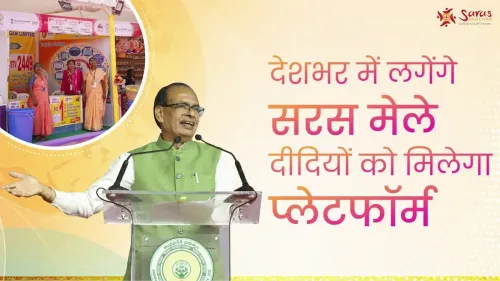
The Saras Mela format is not new — it is a signature output of the National Rural Livelihoods Mission (NRLM), launched in 2011, which has spent over a decade strengthening self-help groups (SHGs) and building market-linkage mechanisms for rural women. State governments across India use the mela circuit as a practical last-mile delivery of that policy: produce the goods in the village, sell them in the city or at a high-footfall venue.
Uttarakhand has leaned into this model particularly in its hill districts, where geography isolates producers from urban markets. A three-day fair at a heritage site in a district headquarters town is a low-cost, high-visibility intervention — and one that doubles as a cultural event, reinforcing local identity alongside economic activity.
What rural entrepreneurs stand to gain from three days in Almora
For the women and entrepreneurs at the stalls, the stakes are tangible: direct sales revenue, exposure to buyers who may place repeat orders, and the kind of word-of-mouth that no social media campaign replicates. SHGs in Uttarakhand produce a wide range of goods — from Kumaoni pickles and hill spices to woollen textiles and handcrafted copperware — all of which find eager buyers among tourists and urban visitors but rarely reach them through conventional retail.
The broader pattern to watch is whether the Almora edition generates enough documented sales and buyer linkages to justify scaling the model to other Uttarakhand districts — a signal the government may well send before the winter tourism season closes.
Three days, one historic palace, hundreds of women with something to sell. The real measure of the Saras Mela will not be the footfall — it will be the orders that outlast the closing ceremony.
Point of View
However, will come from sustained market linkages after the fair ends — one-off sales events are easy optics; repeat buyer relationships are hard evidence of a functioning rural economy strategy. If the government follows up with documented sales data and follow-on orders, the model could become a template for other hill states facing the same producer-market disconnect.
NationPress
1 Nov 2026
Frequently Asked Questions
What is the Saras Mela in Almora 2026?
The Saras Mela in Almora is a three-day fair held at the historic Malla Mahal from 30 October to 1 November 2026, organised to give self-help group women and rural entrepreneurs a platform to sell and market locally produced goods.
Where is Malla Mahal located?
Malla Mahal is a historic palace located in Almora district, Uttarakhand, in the Kumaon division of the Himalayas. It is used as a cultural and public events venue.
What is a Saras Mela and who organises it?
A Saras Mela is a government-supported rural products fair that provides market access to self-help groups and rural artisans. It is a key output of the National Rural Livelihoods Mission (NRLM), launched in 2011, and is organised by state governments across India.
Who benefits from the Almora Saras Mela?
Women members of self-help groups and rural entrepreneurs from Uttarakhand's hill districts are the primary beneficiaries, gaining direct selling opportunities and exposure to buyers for local handicrafts, food products, and textiles.
What is the National Rural Livelihoods Mission?
The National Rural Livelihoods Mission (NRLM) is a Government of India programme launched in 2011 to strengthen self-help groups, build their financial and market linkages, and improve rural household incomes — with Saras Melas being one of its flagship market-access tools.