Uttarakhand's Lakhpati Didi count crosses 3 lakh under CM Dhami
Synopsis
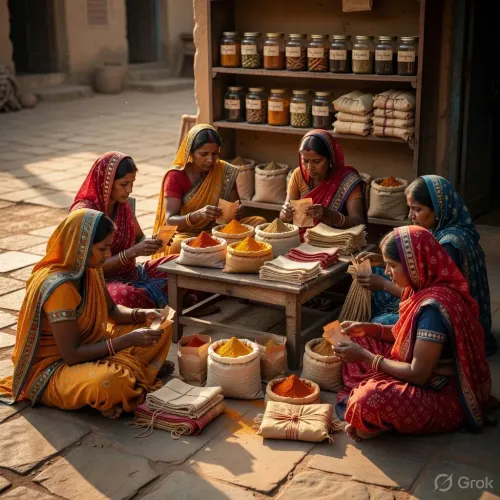
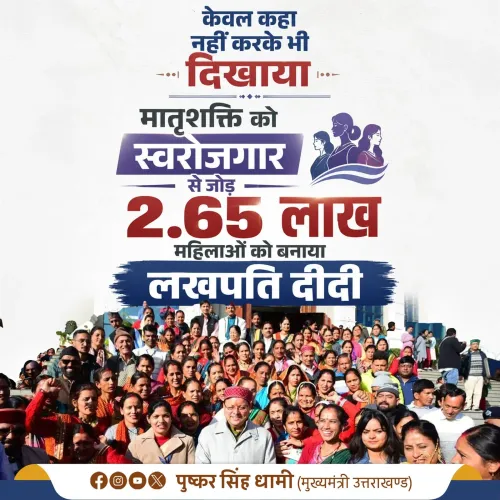
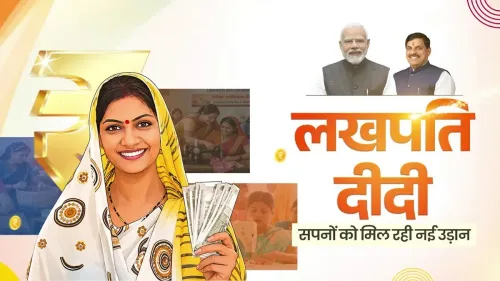
Uttarakhand has crossed 3 lakh Lakhpati Didis — rural women earning over Rs 1 lakh annually through self-help groups — under Chief Minister Pushkar Singh Dhami, advancing the state's women's economic empowerment goals under the DAY-NRLM framework.
Key Takeaways
Uttarakhand has crossed 3 lakh Lakhpati Didis , women in self-help groups earning at least Rs 1 lakh per year .
The milestone was announced by the Chief Minister's Office on 14 August 2026 , a day before Independence Day.
The Lakhpati Didi programme operates under the Deendayal Antyodaya Yojana – National Rural Livelihoods Mission (DAY-NRLM) , launched in 2011 .
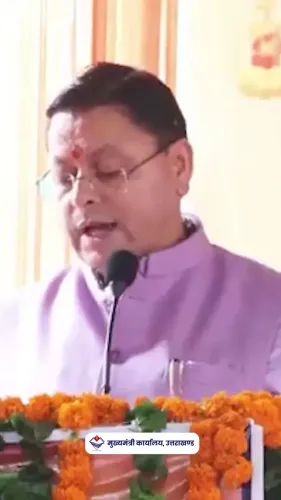
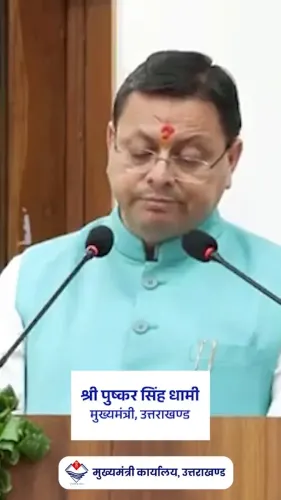
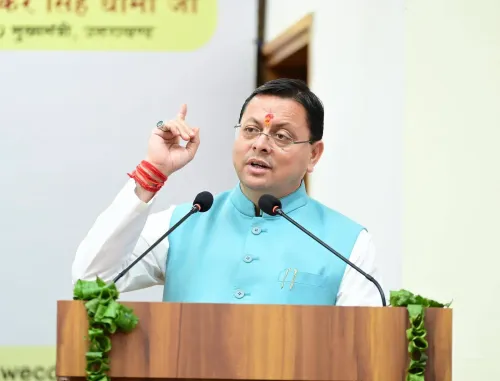
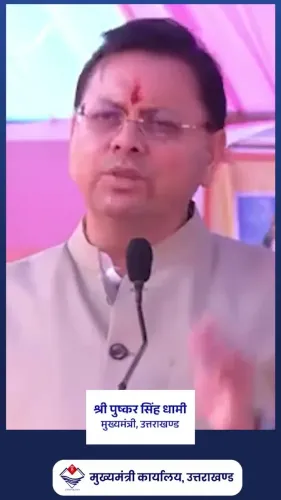
CM Pushkar Singh Dhami has positioned women-centric schemes as a central pillar of his administration's social agenda.
Uttarakhand's hilly and dispersed terrain makes the scale of SHG outreach particularly significant compared to larger plains states.
Multiple Indian states are reporting rising Lakhpati Didi numbers as part of a national women's financial inclusion push.
A state known for its mountains has quietly built a milestone on its plains and hillsides: Uttarakhand has crossed 3 lakh Lakhpati Didis — women in self-help groups who now earn at least one lakh rupees annually — marking what the Chief Minister's Office of Uttarakhand is calling a new chapter in women's empowerment under Chief Minister Pushkar Singh Dhami.
The announcement, made on 14 August 2026, frames the achievement as a historic turn — 'नया इतिहास' (new history) — in the state's pursuit of rural women's economic inclusion. The figure represents women who have crossed the lakh-rupee income threshold through the Lakhpati Didi programme, a component of the Deendayal Antyodaya Yojana – National Rural Livelihoods Mission (DAY-NRLM), the central government's flagship rural livelihood initiative.
What Lakhpati Didi actually means on the ground
The DAY-NRLM, launched in 2011, organises rural women into self-help groups and connects them to credit, skilling, and market linkages. The Lakhpati Didi strand sets a concrete income target: a household income of at least Rs 1 lakh per year for each enrolled woman. That number — a lakh — is not symbolic. For women in Uttarakhand's hilly, often remote districts, it represents a structural shift from subsistence to surplus.
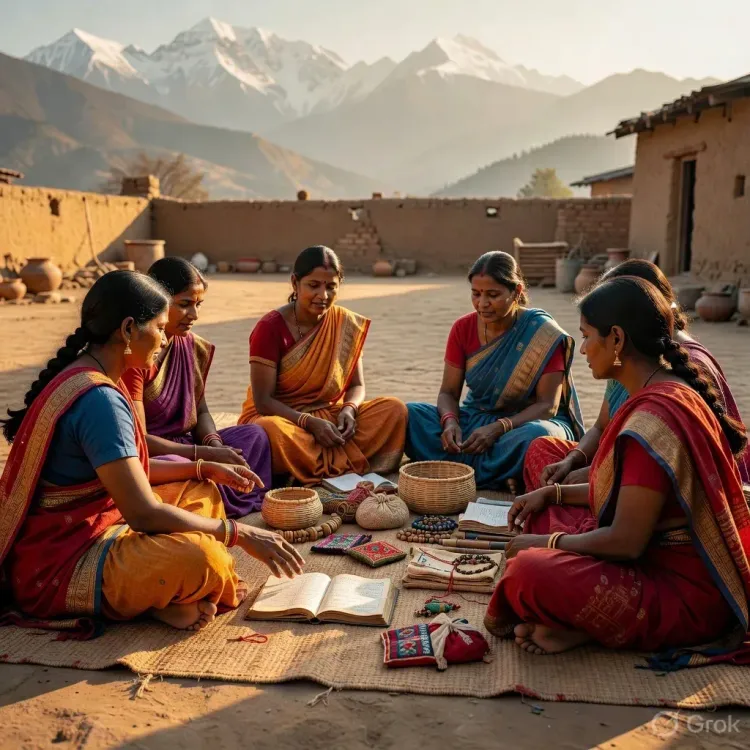
Uttarakhand's terrain makes rural outreach particularly demanding. Dispersed settlements, seasonal migration by men for work, and limited connectivity have historically kept women outside formal economic structures. Crossing the 3-lakh mark in beneficiaries signals that the SHG network has penetrated deep enough to reach those communities at scale.
A national race with a Uttarakhand scoreboard
Uttarakhand is not alone in this push. Across India, states have been competing to report rising Lakhpati Didi numbers under the same NRLM framework — part of a broader national drive for women's financial inclusion that has become a visible policy priority. The difference here is the state's size: at roughly 10 million people, crossing 3 lakh beneficiaries represents a meaningful share of its rural women population, not a rounding error in a large state's ledger.
For CM Dhami, who has anchored much of his administration's social messaging around women-centric schemes, the milestone arrives on the eve of Independence Day — a deliberate or fortuitous piece of timing that amplifies its symbolic weight.
The next number to watch: whether the state announces a revised Lakhpati Didi target for the coming financial year, and whether the income gains are being independently tracked beyond enrolment counts. Reaching 3 lakh is the headline. Sustaining those incomes is the story that follows.
Point of View
Announcing this figure on the eve of Independence Day is a calculated act of narrative-setting, linking state governance to the national mood. The critical analytical question is whether 'crossing the threshold' is verified through income audits or simply through enrolment counts — a distinction that separates genuine economic uplift from a headline number. As the Centre pushes states to scale Lakhpati Didi targets nationally, Uttarakhand's update signals competitive state-level compliance, but the durability of those income gains in a migration-heavy, terrain-challenged state will determine whether this is a structural shift or a statistical one.
NationPress
14 Aug 2026
Frequently Asked Questions
What is the Lakhpati Didi scheme?
Lakhpati Didi is a programme under the Deendayal Antyodaya Yojana – National Rural Livelihoods Mission (DAY-NRLM) that trains and supports women in self-help groups to achieve an annual household income of at least Rs 1 lakh through skilling, credit access, and market linkages.
How many Lakhpati Didis are there in Uttarakhand in 2026?
Uttarakhand has crossed 3 lakh Lakhpati Didis as of August 2026, according to an announcement by the Chief Minister's Office under CM Pushkar Singh Dhami.
What is DAY-NRLM and when was it launched?
The Deendayal Antyodaya Yojana – National Rural Livelihoods Mission (DAY-NRLM) is a central government scheme launched in 2011 to organise rural women into self-help groups and promote sustainable livelihoods and financial inclusion.
Who is Pushkar Singh Dhami?
Pushkar Singh Dhami is the Chief Minister of Uttarakhand, serving since 2021. He has overseen state-level implementation of central rural livelihood and women's empowerment schemes including Lakhpati Didi.
Why is the Lakhpati Didi milestone significant for Uttarakhand?
Uttarakhand's hilly, remote terrain and dispersed settlements make large-scale SHG outreach particularly challenging. Crossing 3 lakh beneficiaries indicates the programme has reached women in difficult-to-access communities, representing a meaningful share of the state's rural women population.