Are Personal Bias and Blind Beliefs Fueling the Vaccine-Autism Debate?
Synopsis
The ongoing debate surrounding vaccines and autism is reignited by personal biases and blind beliefs. Experts stress the importance of addressing these misconceptions with empathy and clear communication to combat vaccine hesitancy, which poses significant health risks.
Key Takeaways
Personal bias and blind belief contribute to vaccine hesitancy.
Despite evidence, myths about vaccines causing autism persist.
Empathy and clear communication are essential in addressing concerns.
The resurgence of vaccine-preventable diseases poses a significant threat.
Global vaccination efforts have saved millions of lives.
New Delhi, Oct 29 (NationPress) Subjective bias and unfounded beliefs continue to fuel the argument that childhood vaccinations heighten the risk of autism, a neurological disorder, according to health experts on Wednesday.
Recently, an unverified report from the US-based McCullough Foundation asserted that vaccination is "the most significant preventable factor" contributing to autism.
This report, lacking peer review, has attracted attention from various anti-vaccine advocates, including Zoho founder Sridhar Vembu.
“Many individuals adopt an anti-vaccine stance. We witnessed the harmful repercussions of their rhetoric in the early pandemic days, when countless individuals succumbed to severe Covid-19 due to vaccine hesitancy,” stated Dr. Rajeev Jayadevan of the Indian Medical Association, Kochi, in a conversation with IANS.
“Regrettably, anti-science sentiments have gained traction in some circles, propelled by personal bias, blind faith, and a fascination with conspiracy theories,” he added.
The report, which was published on Zenodo and is not featured in any peer-reviewed journal, criticizes the expansion of childhood vaccination programs that are known to mitigate morbidity and mortality.
Dr. Shefali Gulati, a pediatric neurologist at AIIMS, emphasized to IANS that despite substantial evidence supporting the life-saving advantages of childhood vaccinations, vaccine hesitancy remains a pressing concern in the post-Covid-19 landscape.
In an editorial published in the journal Autism, Gulati highlighted the resurgence of vaccine-preventable diseases like measles in the US and Europe following the Covid crisis.
“A major factor behind this hesitancy is the persistent myth that vaccines cause autism, a theory that has long been discredited yet continues to linger in public discussions,” Gulati stated.
The anti-vaccine movement originated from a fraudulent article published in The Lancet by Dr. Andrew Wakefield in 1998, which falsely asserted a connection between vaccines and autism.
“Even though the paper was retracted, the damage was already inflicted. Many individuals still believe that vaccines are linked to autism, despite numerous well-conducted studies disproving such a connection,” Jayadevan remarked.
“It is intriguing that Wakefield is included among the authors of this new McCullough Foundation report, which is not peer-reviewed. It merely compiles opinion pieces, weak reports, and legitimate studies as if they hold equal scientific merit. This does not constitute valid research methodology,” he told IANS.
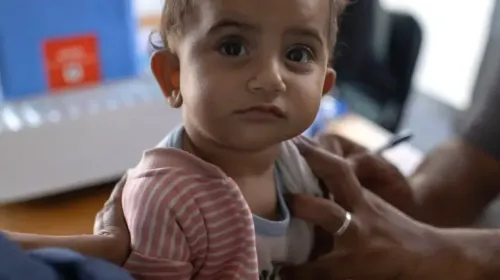
Such misinformation can lead to dire consequences, where parents hesitate to vaccinate their children, resulting in the resurgence of dangerous but vaccine-preventable diseases that were once eradicated.
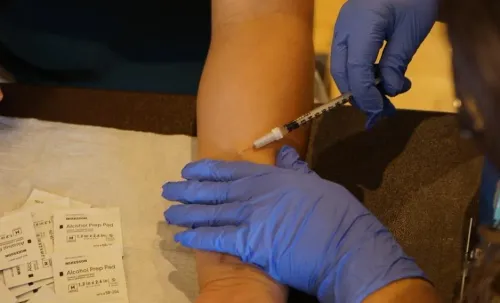
According to the World Health Organization (WHO), global vaccination initiatives have saved approximately 154 million lives over the past five decades, the majority being infants under one year of age.
Gulati urged healthcare professionals to address vaccine hesitancy with empathy and effective communication, focusing on validating parents’ concerns while dispelling myths.
Point of View
I recognize the significance of addressing public health issues with clarity and authority. The persistent myths surrounding vaccines and autism can lead to dangerous consequences for our communities. It's vital for healthcare professionals and the media to work together to provide accurate information and support informed decisions.
NationPress
22 Sept 2026
Frequently Asked Questions
What are the main concerns surrounding vaccines and autism?
Many people believe vaccines may cause autism due to misinformation and discredited studies. However, extensive research has proven no causal link between vaccines and autism.
How can healthcare professionals address vaccine hesitancy?
Healthcare professionals can combat vaccine hesitancy by engaging in empathetic communication, addressing concerns, and providing clear, evidence-based information.
What are the dangers of vaccine misinformation?
Vaccine misinformation can lead to decreased vaccination rates, resulting in the resurgence of preventable diseases and risking public health.