Vaishnaw Announces 410 km Multitracking Push on East Coast Rail
Synopsis
Union Minister Ashwini Vaishnaw has announced 410 km of multitracking projects across four states on India's East Coast railway network, targeting higher freight throughput, reduced logistics costs, and improved passenger connectivity on one of the country's most mineral-intensive rail corridors.
Key Takeaways
410 km of multitracking projects announced across four states on the East Coast railway network.
Projects aim to separate freight and passenger traffic, raising average speeds and reducing logistics costs.
East Coast Railway , headquartered in Bhubaneswar , serves mineral-rich hinterlands of Odisha, Chhattisgarh, and Andhra Pradesh.
The push aligns with the National Rail Plan 2030 and the PM Gati Shakti National Master Plan .
Port-linked corridors are among the primary beneficiaries, enabling faster mine-to-ship freight movement.
Project-wise tender details and completion timelines are expected in subsequent Railway Ministry and zonal updates.
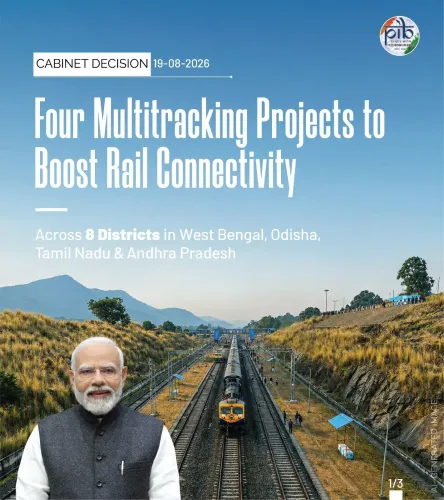
India's eastern freight arteries are about to get a major unclogging. Union Minister Ashwini Vaishnaw announced on Thursday, 20 August 2026 that 410 km of multitracking projects spanning four states will be taken up across the East Coast railway network — a move aimed at boosting freight throughput and easing passenger congestion on one of the country's most mineral-intensive rail corridors.
Why the East Coast corridor is a pressure point
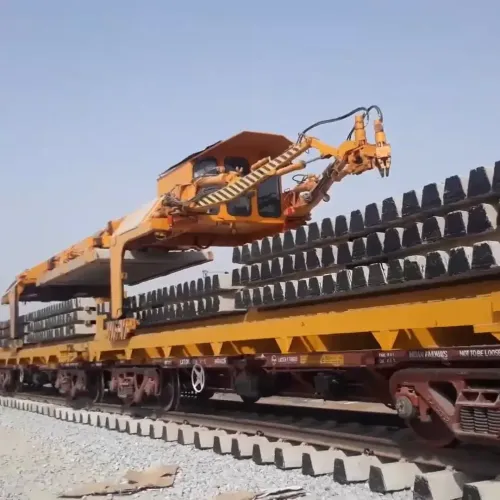
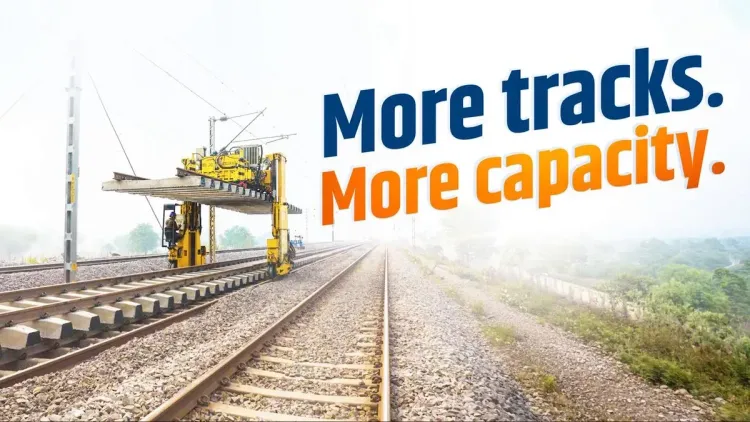
East Coast Railway, headquartered in Bhubaneswar, is the backbone of India's mineral-export supply chain — iron ore, coal, and steel from the hinterlands of Odisha, Chhattisgarh, and Andhra Pradesh funnel through its lines toward major ports. When freight and passenger trains share single or double tracks on high-density routes, both suffer: speeds drop, schedules slip, and logistics costs climb. Multitracking — adding a third or fourth line — physically separates traffic streams and allows faster, more reliable movement in both directions simultaneously.
Where these projects fit in India's rail capacity push
The announcement slots directly into the National Rail Plan 2030, released in 2021, which set binding targets for track capacity expansion to handle projected freight and passenger loads through 2050. It also aligns with the PM Gati Shakti National Master Plan, which uses integrated infrastructure planning to cut logistics costs — a metric the government has tied closely to India's manufacturing competitiveness. Indian Railways has made track doubling and tripling a centrepiece of its annual capital expenditure cycle, with the eastern mineral belt consistently among the highest-priority zones.
What 410 km of new capacity actually means
At a network level, adding 410 km of multitracked corridor across four states means freight operators can run heavier, more frequent rakes without waiting for passenger clearance — directly lowering the per-tonne cost of moving goods. For passengers, it translates into fewer delays and the headroom to add new services on routes that are currently saturated. Port-linked corridors in particular stand to gain: faster turnaround from mine to ship is a direct competitiveness lever for Indian exports.
Project-wise breakdowns, tender status, and completion timelines are expected to follow through Railway Ministry updates and zonal budget documents — the numbers on the ground will determine how quickly this capacity translates into real throughput gains.
Four states, 410 kilometres, one clear signal: the government is betting that rail capacity, not just road or port investment, is the unlock India's eastern logistics corridor has been waiting for.
Point of View
Which remains above the global average as a share of GDP. Multitracking these routes is not just an infrastructure play — it is a manufacturing competitiveness argument, underpinning the 'Make in India' supply-chain logic. The political optics are also calibrated: eastern states like Odisha and Andhra Pradesh are electorally significant, and visible rail investment in the region reinforces the government's 'Purvodaya' eastern development narrative. The real test will be execution speed — India has a long history of announced rail projects that lag timelines significantly.
NationPress
20 Aug 2026
Frequently Asked Questions
What is the East Coast Railway multitracking project announced by Ashwini Vaishnaw?
Union Minister Ashwini Vaishnaw announced 410 km of multitracking projects across four states on the East Coast railway network, aimed at increasing freight and passenger capacity by adding additional rail lines to existing corridors.
Which states are covered under the 410 km East Coast Railway multitracking project?
The announcement covers four states on the East Coast railway network. The Railway Ministry is expected to release project-wise state-level breakdowns in subsequent updates; the states likely include Odisha, Andhra Pradesh, and Chhattisgarh, which fall under East Coast Railway's operational zone.
What is multitracking in Indian Railways and why does it matter?
Multitracking means adding a third or fourth rail line alongside existing tracks on a corridor. It allows freight and passenger trains to run simultaneously without blocking each other, raising average speeds, reducing delays, and lowering logistics costs.
How does this project connect to the National Rail Plan 2030?
The National Rail Plan 2030, released in 2021, sets targets for track capacity expansion to handle freight and passenger demand through 2050. Multitracking high-density corridors like those on the East Coast is a core pillar of that plan.
What is PM Gati Shakti and how is the East Coast rail upgrade linked to it?
PM Gati Shakti is a national master plan for integrated infrastructure development aimed at cutting logistics costs and boosting economic competitiveness. East Coast Railway capacity upgrades feed directly into this framework by improving mine-to-port freight movement.